20 Gallon Reef Tank Setup Guide: AIO Nano Plan
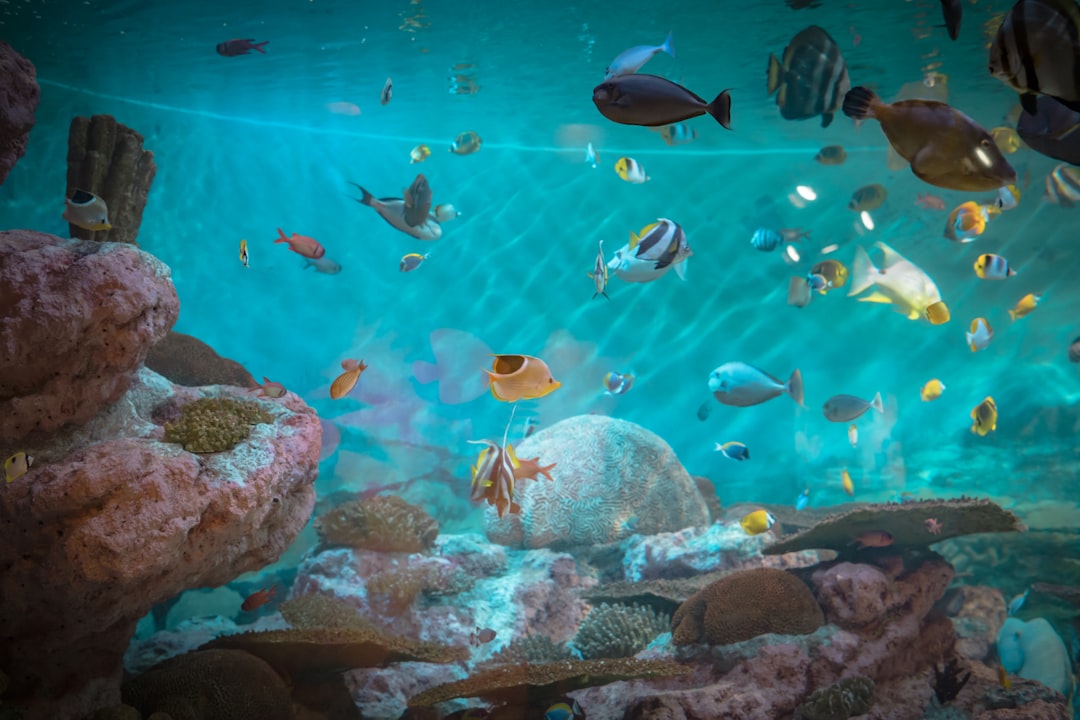
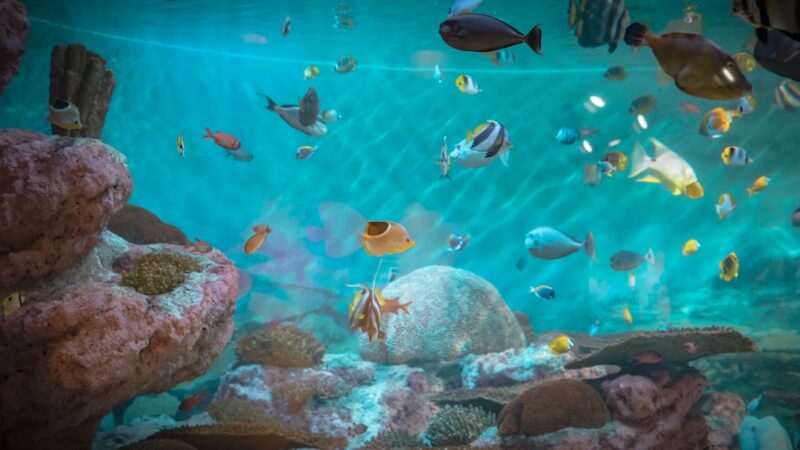
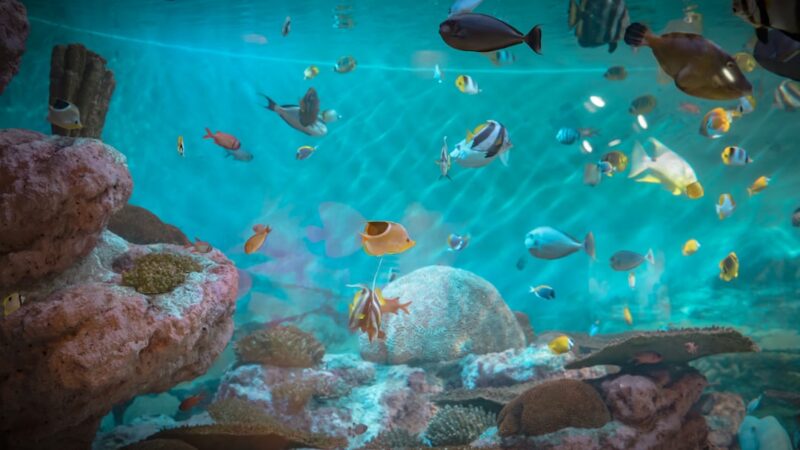
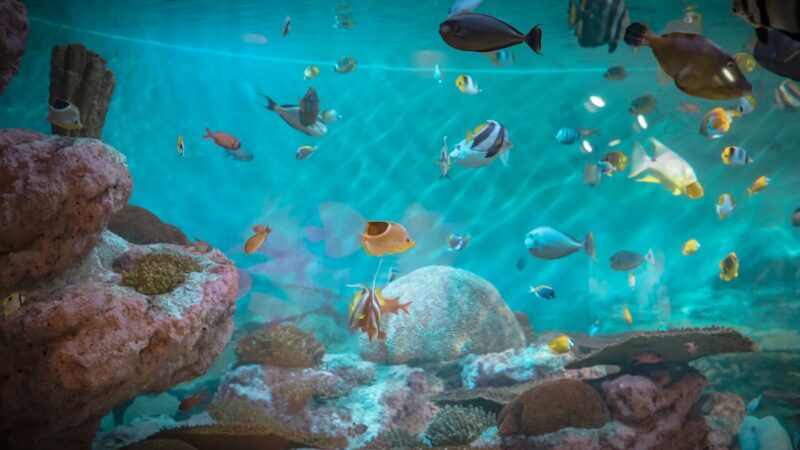
The 75 litre all-in-one reef is the most popular first saltwater build in Singapore for good reason — it fits a typical HDB sideboard, runs from one socket, and costs less than half of a 200 L sump-based system. This 20 gallon reef tank setup guide from Gensou Aquascaping at 5 Everton Park walks through equipment picks, aquascape planning, cycling and livestock in the exact order you should tackle them, with Reef Depot and Polyart pricing current to this year. Skip steps at your peril — nano reefs reward methodical starters and punish shortcut-takers. This guide sits inside our broader Saltwater Reef Tank Master Guide reference.
Why 20 Gallons Is the Sweet Spot
A 38 L pico crashes on a single missed top-up during our dry monsoon weeks. A 114 L needs a full stand and a chiller twice as powerful. The 75 L AIO splits the difference: forgiving enough for a first-timer to recover from a salinity slip, small enough that a weekly 15 L water change feels like housework rather than hydraulics. Eight weeks in, you will know whether reef keeping is for you without having sunk four-figure SGD into a custom sump.
Picking Your AIO Tank
The Waterbox Cube 20, Innovative Marine Nuvo Fusion 20, Red Sea Max Nano and Aqua One Reef 185 are all sold in Singapore. Waterbox (SGD 550-650 at Reef Depot) wins on glass quality and low-iron clarity. Innovative Marine (SGD 580-680) has the best rear-chamber media configuration. Red Sea Max Nano is an integrated set with light, skimmer and return included — pricier at SGD 1,300+ but plug-and-play. For tight budgets, C328 stocks Chinese AIO clones from SGD 300 with rimless glass that tends to scratch easier.
Stand and Placement
Filled with rock, sand and water a 75 L reef weighs 90-105 kg. Most HDB floors handle that without comment, but avoid placing the tank over a tile grout line where weight distributes unevenly. Keep the tank away from direct afternoon sun through a west-facing window — Singapore sun will spike tank temperature 4-5°C in an hour and cook photosensitive corals. A dedicated marine stand (SGD 180-350) is cheaper insurance than a failed MDF console.
Essential Equipment Checklist
Beyond the tank itself you need a light (AI Prime 16HD SGD 390, Kessil A80 SGD 370, or budget Noopsyche K7 Pro SGD 240), a chiller (Hailea HS-28A SGD 420-480 from Reef Depot), a heater for cool nights (Eheim 100 W SGD 55), one or two powerheads (Jebao SLW-10 SGD 55 each), a refractometer (SGD 45-80 on Shopee), saltwater mix (Red Sea Coral Pro SGD 120 per 7 kg box), and test kits (Salifert alk, cal, mag around SGD 45 each). Add a RO/DI unit at SGD 280-420 or buy RO water from Reef Depot at SGD 1.50 per litre.
Rock and Aquascape Planning
Plan 15-20 kg of dry rock for a 75 L tank — enough for a two-island scape with swim-throughs without crowding. MarcoRock reef saver at Reef Depot runs SGD 8-12 per kg, Pukani at Polyart SGD 12-14 per kg. Dry-fit the scape outside the tank, mark joins with a pencil, then glue with E-Marco-400 cement or AquaStick putty. Leave 4-5 cm of space between rock and glass on all sides for powerhead flow and cleaning.
Substrate and Initial Fill
Spread 7-12 kg of Caribsea Aragamax Special Grade or Fiji Pink (SGD 35-55 per 9 kg bag at Polyart) to a 2-3 cm depth. Rinse lightly with RO water to remove dust but never with tap water. Mix salt with RO to 1.025 SG in a separate brute bin, let it dissolve and stabilise for 12-24 hours at 25-26°C before filling the display — pouring fresh half-mixed salt directly onto aragonite triggers precipitation that clouds the tank for days.
Cycling Your 20 Gallon AIO
Dose Dr Tim’s Ammonium Chloride to 2 ppm once the tank is full and circulating. Add one bottle of Dr Tim’s One and Only nitrifying bacteria or Fritz 9. Monitor daily: ammonia should fall to zero in 5-10 days, nitrite follows within two to three weeks, and nitrate rises to 5-20 ppm. Do not feed a dead shrimp or add fish early — a bottled-bacteria silent cycle leaves you algae-free for longer than the old-school method.
First Livestock and Adding Slowly
Week 4-5: add a small clean-up crew — 3 Nassarius snails, 3 Trochus snails, 5 blue-legged hermits. Week 6-7: one pair of Amphiprion ocellaris (SGD 35-50 pair at Iwarna). Month 3: first soft corals — green star polyps, zoanthids, Kenya tree (SGD 15-25 per frag). Month 4-5: a second small fish like a royal gramma or a neon goby. Stop there for a 75 L. Stocking density is what separates thriving nanos from crashed ones.
Maintenance Routine That Actually Sticks
Weekly 15 L water change with fresh Red Sea Coral Pro mix, plus glass clean with a Tunze Care Magnet or Flipper. Daily: check salinity with refractometer, top up evaporated water with RO only (never salt), feed once. Weekly: test alkalinity and calcium. Monthly: clean pumps, swap filter floss, rinse skimmer cup. Total time commitment — 45 minutes a week. Skipping water changes is the single biggest cause of nano reef failure in the first year.
Related Reading