
Tropical Fish Species Master Index: 300+ Species Directory
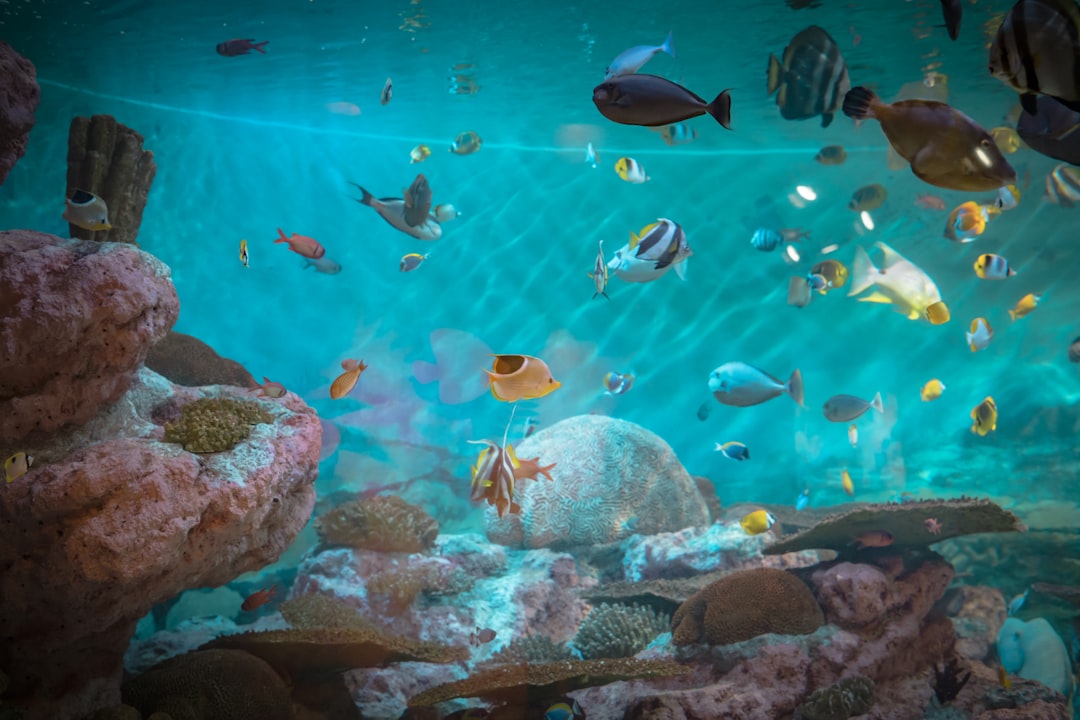
Walk through any Serangoon North fish shop on a Saturday and you will see tanks stacked three high with species from every continent — Peruvian tetras next to Malawi cichlids next to Sulawesi shrimp. This tropical fish species master index is our attempt to make sense of that overwhelming variety, a single-page directory that links out to every dedicated care guide we have published. Built by Gensou Aquascaping at 5 Everton Park with over 20 years of hands-on Singapore fishkeeping experience, the index groups fish by family and temperament so you can shortlist tank mates, find niche specialists, or simply browse by curiosity. Each species name below links to a full care guide covering water parameters, diet, tank size and breeding notes. Use the section headings as a filter: if you know you want a calm planted community, stay in the tetra and rasbora blocks; if you are chasing personality, jump to cichlids, betta or puffers. Bookmark this page — it is the hub we return to before every new tank build.
Tetras and Characins
Small South American characins remain the workhorse of the planted community tank. Their schooling behaviour, soft-water tolerance and modest adult size (most under 5 cm) suit the typical Singapore 60 cm tank beautifully. Start with the universally loved neon tetra or its larger, more colour-stable cousin the cardinal tetra, then explore warm-water nano specialists like the ember tetra and the sand-sifting rummy-nose tetra whose scarlet face reports water quality better than any test kit. A shoal of 10-15 at 24-27°C over dark substrate is the classic Amazon biotope look, and the birch-coloured green neon tetra offers a subtler variation on the same theme.
Mid-size characins add contrast to bigger layouts. Consider the Congo tetra for iridescent flanks, the diamond tetra for prism-like scales, the peppery serpae tetra, the classic glowlight tetra, the translucent x-ray tetra, or softer-water picks like the lemon tetra, black neon tetra, emperor tetra, bleeding heart tetra, black phantom tetra and the newer yellow phantom tetra. Less common but worth seeking out are the silvertip tetra, Columbian tetra, pristella tetra and the miniature Loreto dwarf tetra. For livestock, browse our tropical fish collection.
Rasboras and Minnows
If tetras own the Amazon, rasboras and small cyprinids own South-East Asia — and Singapore sits squarely in their natural range. The harlequin rasbora is arguably the perfect beginner shoaler, hardy enough for unheated tanks during our cooler monsoon weeks. Nano keepers gravitate to the chili rasbora, the improbably small phoenix rasbora, the lime-green kubotai rasbora and the striking galaxy rasbora (also known as the celestial pearl danio).
Broaden the family with the lambchop rasbora, emerald dwarf rasbora, exclamation point rasbora, green neon rasbora, rummy-nose rasbora and glowlight rasbora. Cooler-water cyprinids like the white cloud mountain minnow tolerate unheated HDB tanks comfortably — a useful trait during our cooler December stretch — and the celestial pearl danio delivers jewel-toned colour in a sub-3 cm package. Most of these species come from blackwater or forest stream habitats, so aim for slightly acidic water (pH 6.2-6.8), tannin-stained conditions from catappa leaves or driftwood, and gentle flow. A 45 L tank comfortably houses a shoal of 15 chili or phoenix rasboras once cycled.
Livebearers: Guppy, Molly, Platy, Swordtail
Livebearers turned generations of Singaporean children into fishkeepers because they breed in plastic tubs with near-zero effort. The guppy remains the flagship, available in dozens of strains from pet shops at Clementi C328. Dive deeper with our endler guppy care guide, the tuxedo strain, cobra strain, dragon strain, half-black strain and metal strain genetics breakdowns.
Round out the family with molly fish, platy fish and swordtail fish. Our platy vs molly vs swordtail comparison helps first-time buyers choose based on adult size, brackish tolerance and colour range. The endler livebearer hybrid guide covers the messy but rewarding crossbreeding scene, while the wild-type endler project suits purists preserving the original Venezuelan strain. Expect a 3:1 female-to-male ratio for tanks under 60 L to keep harassment manageable, and stock livebearer fry with quality fish food to hit their fast growth curve.
Barbs and Danios
Barbs and danios fill the active mid-water niche — less shy than tetras, harder-bodied and tolerant of Singapore tap water straight from the PUB line. The cherry barb stays under 5 cm and suits planted tanks, while the classic tiger barb needs a shoal of eight or more to behave. For larger setups the denison barb and rosy barb bring Indian-river energy.
Across the danio genus, the hardy zebra danio and showy leopard danio remain first-tank staples, the giant danio works in 120 cm community tanks, and the glowlight danio adds subtle neon for nano layouts. Also worth considering: the gold barb, Odessa barb and checker barb. A key compatibility note — tiger barbs will fin-nip slow-moving tank mates like angelfish or male guppies, so plan the shoal structure carefully before mixing. For contests and riverine biotopes, the torpedo-shaped denison is particularly photogenic against jati wood and Anubias.
Cichlids: New World, Central American, African
Cichlids are the chess pieces of the hobby — intelligent, territorial, each species a distinct personality study. South American dwarf cichlids like the German blue ram, Bolivian ram, apistogramma, apistogramma cacatuoides and apistogramma agassizii suit planted 60 cm tanks. Step up to the iconic freshwater angelfish, the regal discus or the boisterous oscar.
Central Americans include the firemouth cichlid, convict cichlid, Jack Dempsey, green terror, severum and the ever-popular flowerhorn. Most of these need 300 L tanks minimum and hard, alkaline water (pH 7.6-8.2) that contrasts sharply with the soft-water South American setup — never mix the two groups without testing the middle ground carefully.
African rift-lake specialists open a different world again: the electric yellow lab, peacock cichlid, frontosa, shell dweller, keyhole cichlid and the unusual blood parrot hybrid. Mbuna communities need high stocking density (counterintuitively) to dilute aggression, plenty of pile-rock caves, and a crushed coral substrate to buffer pH upwards. For breeders, the Labidochromis caeruleus deep dive walks through maternal mouthbrooding timing in local temperatures.
Catfish and Loaches
Bottom-dwellers are the unsung heroes of community tanks — they scavenge, they aerate substrate, they add movement below the mid-water shoals. Cory catfish lead the pack: the hardy Corydoras catfish, the sand-sifting sterbai cory, the striking panda cory, the nano-ready pygmy cory and the habrosus cory.
Plecos cover the algae-eating brief: the widely available bristlenose pleco, the hobbyist-favourite zebra pleco L046, the driftwood-loving clown pleco, the large gold nugget pleco and the royal pleco. For alternative catfish try the pictus catfish. Loaches round out the section with the eel-like kuhli loach, the statement clown loach, the snail-eating yoyo loach, the cool-water hillstream loach, dwarf chain loach and zebra loach. One Singapore-specific caution: clown loaches grow to 25 cm and live over 15 years, so the dollar-coin-sized juvenile at the shop will eventually need a 450 L tank — too many HDB keepers learn this the hard way at year three.
Shrimp and Invertebrates
Singapore’s warm, soft PUB water is unusually kind to freshwater shrimp — many local breeders now export grade-A stock. Start with the bulletproof cherry shrimp (Neocaridina davidi) and its algae-eating cousin the Amano shrimp. Branch into Neocaridina colour morphs including the blue velvet shrimp, fire red shrimp, orange sakura and snowball shrimp.
Advanced keepers move to Caridina territory: the crystal red shrimp, crystal black shrimp, blue bolt, Taiwan bee, the boutique galaxy pinto, the intensely coloured yellow king kong and the challenging Sulawesi shrimp. Caridina need active soil substrate, TDS 100-130 ppm from remineralised RO water, and strict ammonia discipline — a Singapore chiller set to 22°C pays for itself in survival rates. Snail options span from nerite snails and mystery snails to the rabbit snail and pest-controlling assassin snail. Freshwater crab keepers should read our Thai micro crab, pom pom crab and vampire crab guides. Full livestock range at live fish and livestock.
Specialty: Betta, Killifish, Puffers
Some species deserve their own niche rather than a community role. Top of the list is the betta — our most-visited guide for a reason. Explore different tail types via plakat betta, platinum halfmoon and fancy betta varieties. Wild-type collectors should see our wild betta species guide and Betta imbellis profile.
Killifish bring jewel-box colour to small tanks: the clown killifish, Norman’s lampeye, golden wonder killifish, blue gularis killifish and gardneri killifish. Many killifish are annuals with dramatic peat-spawning life cycles — our annual killifish peat spawning guide walks through incubation timing. Pufferfish appeal to keepers who want personality over shoaling: the tiny pea puffer, brackish figure-eight puffer, Indian dwarf puffer and green spotted puffer. Puffers need live or frozen protein (snails, bloodworm, mysis) and regular tooth-wear control — target feeding matters, so see our specialty fish food range.
Oddballs and Large Species
This category is where Singapore hobbyists with bigger floor plans or heritage collector licences come to play. The arowana is almost a national fish here — read the Asian arowana and silver arowana guides plus the legal and tank-size breakdown before buying. The flowerhorn still has a devoted following despite shifting trends.
Other statement species include the cold-water axolotl (needs a chiller in Singapore to hold 16-20°C), freshwater stingray, ancient bichir (Polypterus), senegalus bichir, delhezi bichir, the ghostly black ghost knifefish, the translucent glass knifefish, predatory datnoid tigerfish and the African butterfly fish. Most of these need 500 L or more plus solid floor load planning in an HDB flat — a full 6-foot tank filled with substrate and rockwork approaches 800 kg, well within HDB static-load limits but worth verifying with your building’s structural plans.
Marine Fish Overview
Our saltwater coverage is newer but growing fast as reef tank interest surges in Singapore. Clownfish lead beginner reef stocking: the classic ocellaris clownfish, plus the bluestripe clownfish and our clownfish species comparison. Tangs add swimming movement — see the algae-grazing yellow tang, iconic hippo tang, sailfin tang and challenging Achilles tang.
Dwarf angels and wrasses round out reef stock: the coral beauty angelfish, flame angelfish, six-line wrasse, the dazzling Lubbock’s fairy wrasse and the general fairy wrasse overview. Add bottom-level character with the firefish goby, yellow watchman goby, mandarin dragonet and Banggai cardinalfish. Reef keepers in Singapore face a specific challenge — ambient heat drives tank temperatures into the 29-30°C danger zone, so a chiller set to 25-26°C is non-negotiable for SPS coral health and the wellbeing of most marine fish listed here.
Related Reading
This tropical fish species master index sits at the centre of a wider pillar network that we update as each new species guide goes live. Use these companion hubs to plan your build end-to-end: the Freshwater Aquarium Complete Beginner Hub for first-tank fundamentals and cycling, the Saltwater and Reef Tank Master Guide for marine builds and reef chemistry, the Aquascaping Styles Design Hub for nature, Iwagumi, Dutch and biotope layout inspiration, the Planted Tank Complete Hub for plant, CO2 and fertiliser strategy, and the Singapore Aquarium Hobbyist Guide for sourcing livestock locally from Clementi, Thomson and Serangoon North. Every species guide in this index cross-references back to these pillars, so you can click through from, say, a discus care page into planted hardscape theory in under two clicks. Drop into our 5 Everton Park showroom if you want to pair a species shortlist with the right tank size, filtration and chiller — two decades of Singapore-specific advice beats any generic forum thread.



