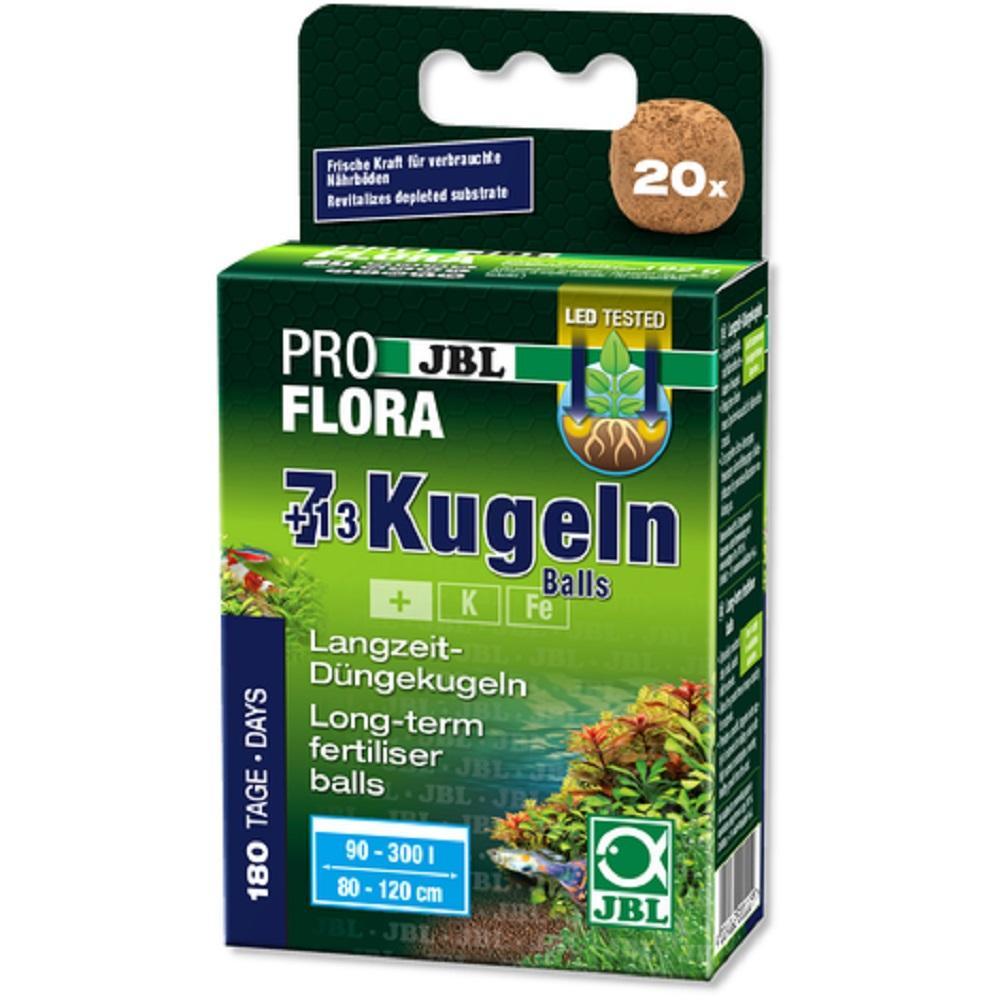
JBL 7 + 13 Kugeln Balls Root Fertilizer (20pcs – Kugeln Balls)
You save
Description
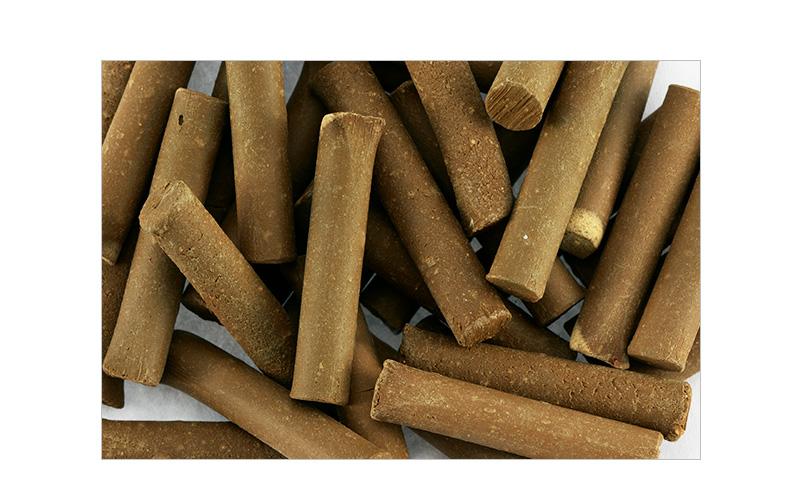
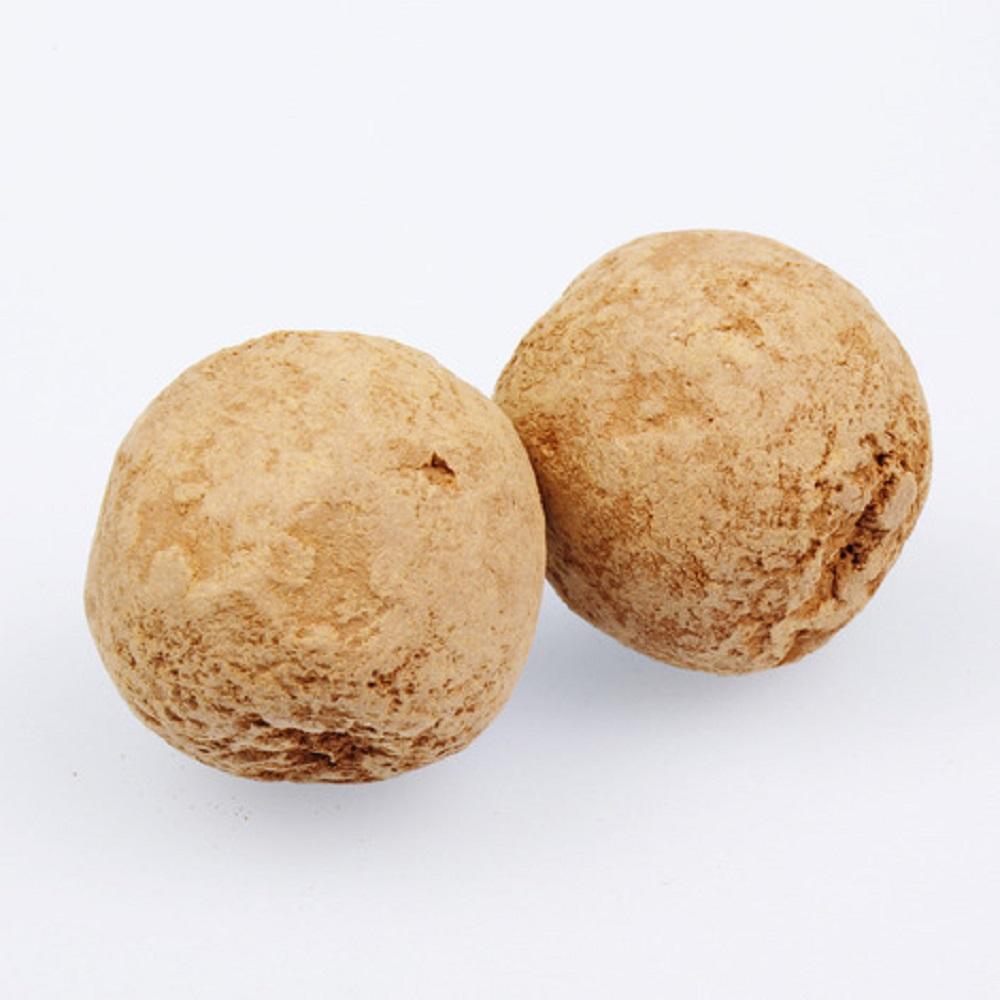
Primary care for plant roots: specially produced clay balls loaded with nutrients, for freshwater aquariums
Storage capacity for nutrients. No deficiency symptoms: important trace elements such as iron, minerals
Optimal promotion of plant growth means less algae growth. No phosphates and nitrates
The stronger the root development of the plant, the better the nutrient absorption through the roots
Package contents: 1 pack The 7 + 13 balls, 20 fertiliser balls. To use: depending on the size of the plant, press one or more balls into the root zone once a year
Product Information
| Nutrition for aquarium plants | Healthy plants are important for every aquarium., Plants supply the aquarium with vital oxygen for the aquarium dwellers, prevent algae growth and remove pollutants., Healthy plants = healthy fish, Healthy plants prevent algae growth, supply oxygen, remove pollutants, provide hiding places and reduce pathogens., For the plants to flourish the following demands need to be met:, Light as energy source for the photosynthesis of CO2, nutrients and trace elements as growth promoters., With JBL fertilisers you supply the plants with all main nutrients and essential trace elements., This way the plants get all the required nutrients they need to absorb over the leaves and roots to prevent deficiency symptoms (e.g. iron deficiency). |
|---|
Faq
I can’t get all of the pellets out of the tank. Is that harmful to my fish?
> The pellets don’t contain any heavy metals, so that they are not toxic to fish. Therefore, there is no need for concern if a pellet or two stays in the tank.
If I am using JBL 7 pellets, does it make sense to also fertilise with JBL Ferropol ?
> Yes, that will be helpful and may even be advisable, depending on the plants in the aquarium.
The JBL 7 Balls pellets are primarily intended for root feeding plants and supply the plants with nutrients through their roots. Using JBL Ferropol to fertilise through the water column is generally advisable, as all plants (the stem plants more than the root feeders) also absorb nutrients through their leaves.
I would like to fertilise my plants with your product and change over completely. How do I go about doing that?
> Generally, one should never change plant fertilizers abruptly. The fertilizers from different manufacturers have somewhat different compositions in terms of trace elements. This may cause temporary nutrient changes. It is best to change over in 3 steps:
1) Reduction of the old fertilizer by 1/3; replace this with 1/3 of the new fertilizer. Wait approx. 3-4 weeks and observe the reaction of the plants.
2) Reduction of the old fertilizer by 2/3; replace this with 2/3 of the new fertilizer. Wait approx. 3-4 weeks and observe the reaction of the plants.
3) Complete discontinuation of the old fertilizer and change-over to the new fertilizer.
It is important to observe the reaction of plant growth and, in addition, to check the iron content of the water at least 2x weekly. Whereas the value should never drop to 0, it should never exceed 0.2 mg/l if possible. However, short peaks are no cause for concern.
These measures should generally be carried out on a weekly basis, ideally right after a water change. This achieves better results than fertilizing in large doses at longer intervals.
Are fertiliser pellets (JBL 7 Balls) harmful for my invertebrates such as shrimp and crustaceans?
> JBL 7 Balls are harmless to shrimp. It’s worth noting that the commonly held notion of shrimp being sensitive to copper is not correct. What is true is that shrimp even need copper urgently as a trace element for their blood pigment (haemocyanin). When using a standard fertiliser, one must overdose 80-100 fold in order to reach the ranges that are dangerous for shrimp, or a copper overdose as applicable. The situation is quite different when it comes to copper-based medications or algae control products, as these have much higher doses.
Root-feeding plants with JBL 7+13 fertiliser balls in SG
Heavy root feeders like swords and crypts pull most of their nutrition straight from the substrate, and that is exactly where these clay fertiliser balls deliver it. You press one or more into the root zone and they release iron, minerals, and trace elements slowly over the year, right at the roots rather than into the water column where they could feed algae. With no added phosphate or nitrate, they target plants without spiking nuisance growth.
This matters more than many local aquascapers expect, because Singapore’s soft tap water is naturally low in the minerals stem and rosette plants crave. If you run an inert substrate like sand or gravel rather than aquasoil, these balls are often the difference between pale, stalling crypts and lush, established clumps. We usually suggest combining them with a liquid fertiliser so leaf-feeding stems get fed through the water too.
Find them in our root additives range. For placement and timing, see our root tabs guide and our root tab comparison, and if you are choosing a substrate, our aquasoil versus inert substrate guide helps you decide.