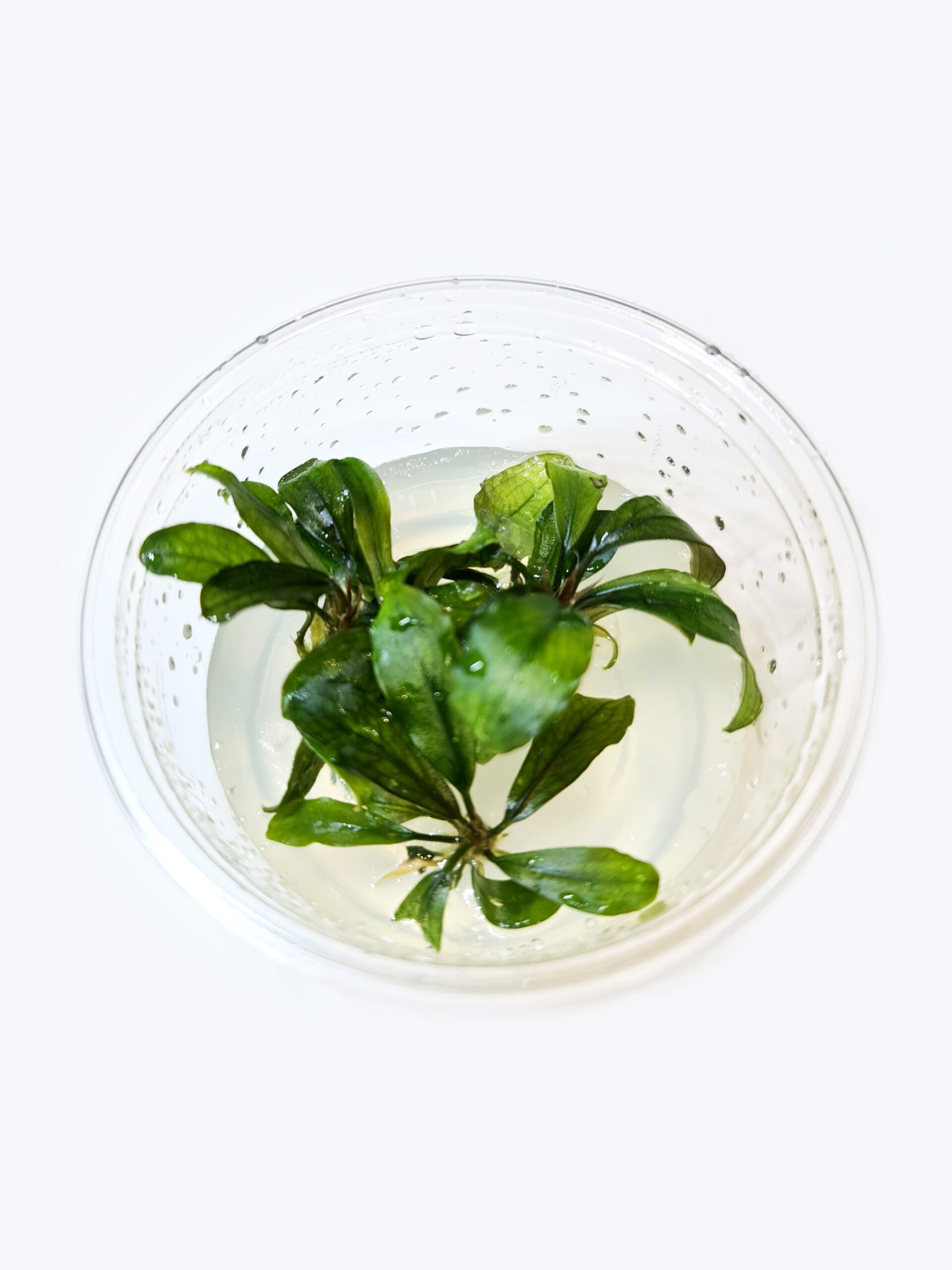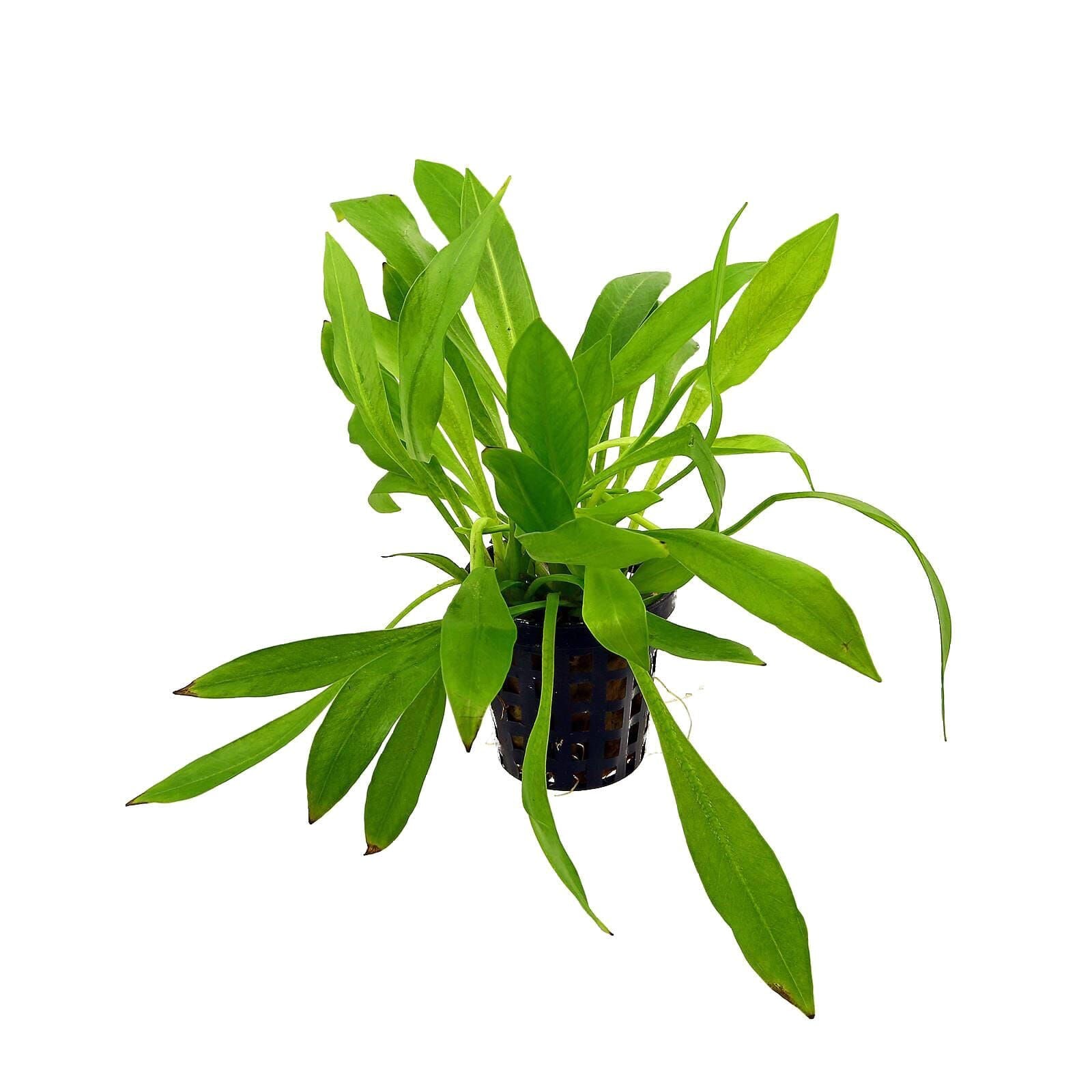
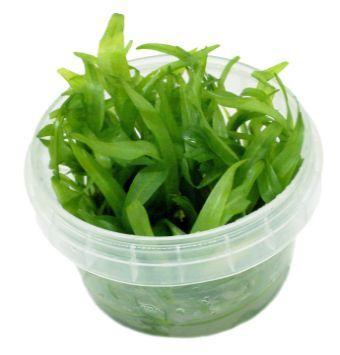
TCulture Helanthium ‘Quadricostatus’ (Pot/TC Cup)
You save
Out of stock
Ask on WhatsAppDescription
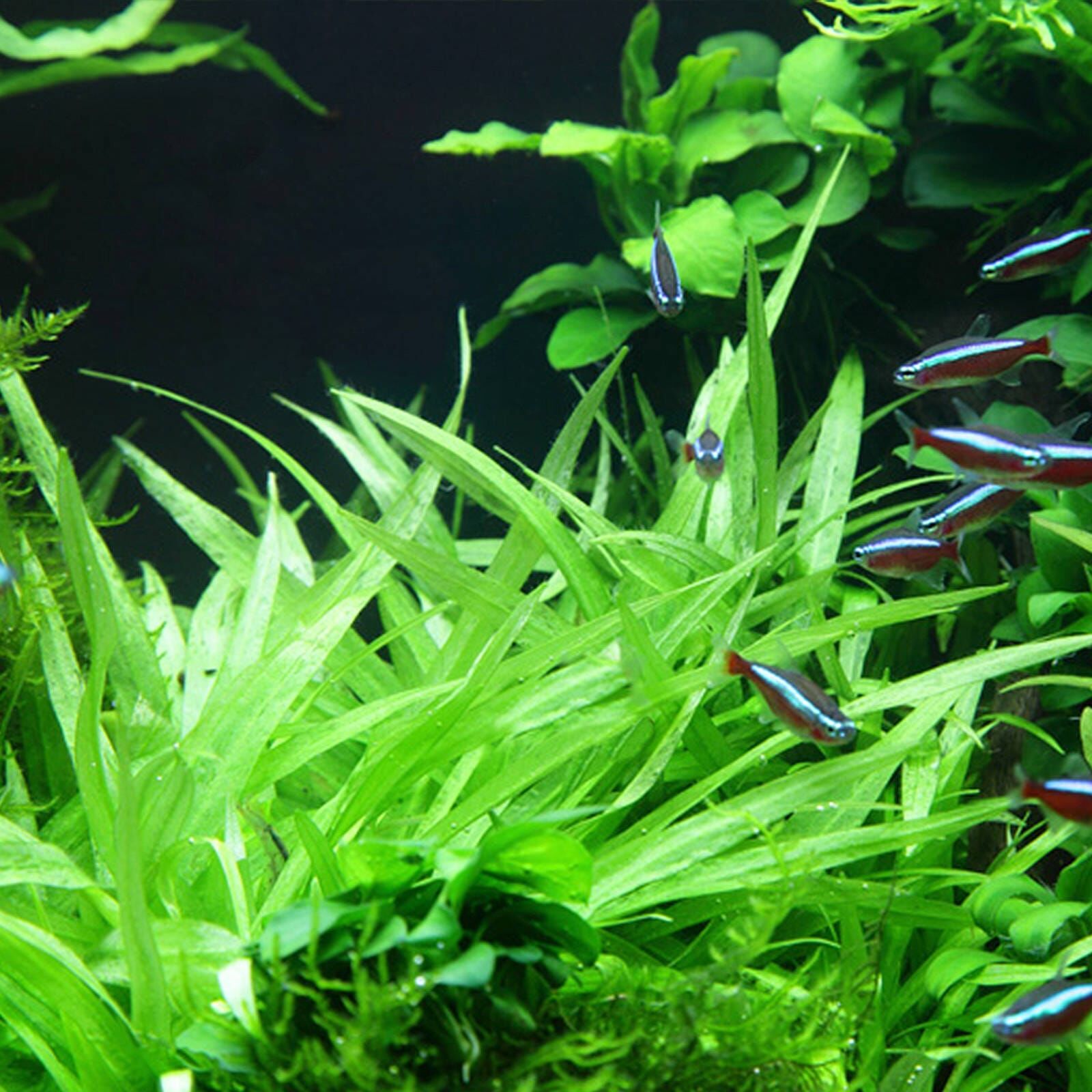
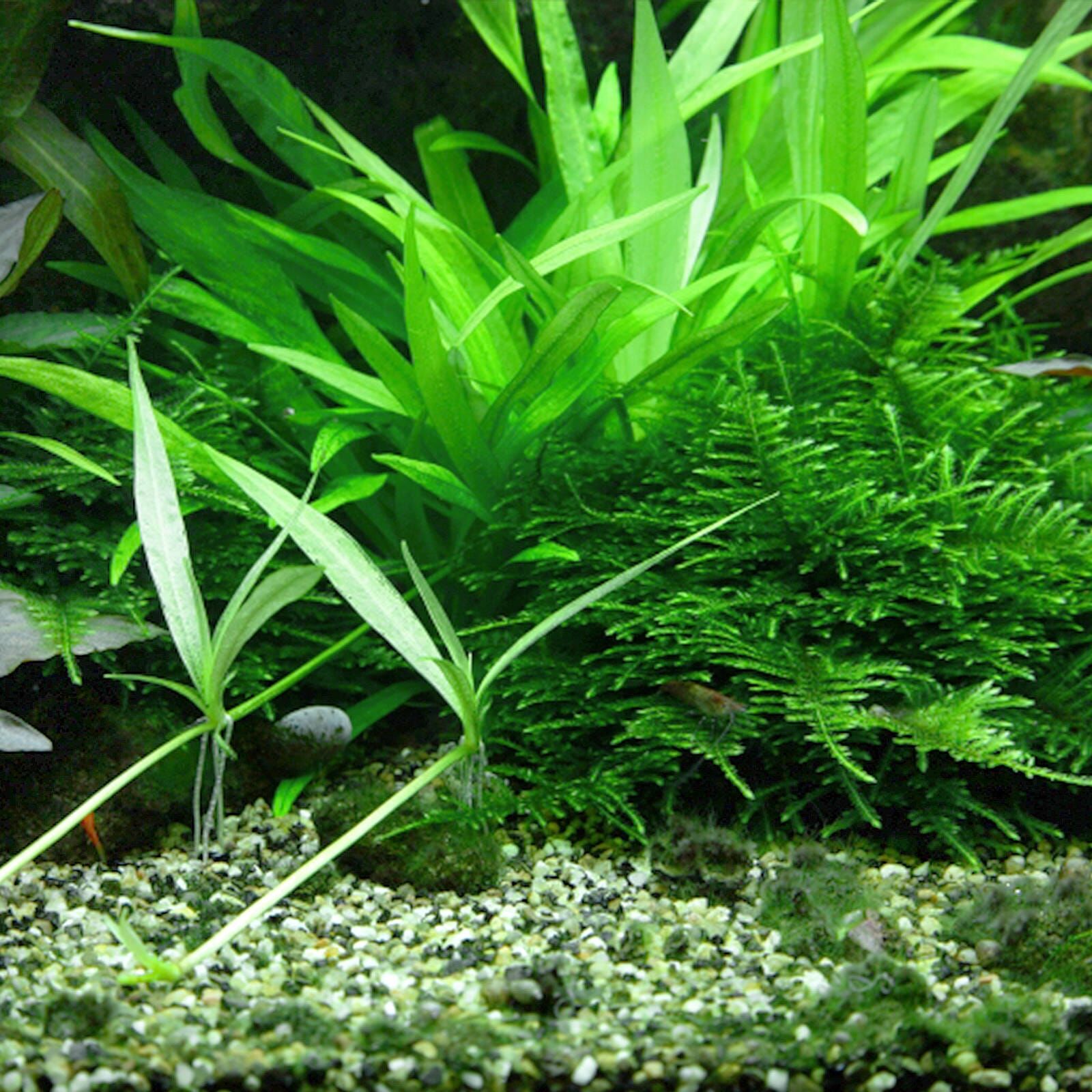
The former dwarf Echinodorus species have been botanically reclassified several years ago and placed in the genus Helanthium. Typical is their growth behavior with formation of runner plants. Little by little the substrate is overgrown. Therefore, one should always reduce the stand a little at intervals. The cultivar name ‘Quadricostatus’ refers to the fruit with four ribs. For medium to larger aquariums this foreground plant is highly recommended. Very popular for South America aquariums with angelfish or discus fish.
Complete botanical name
Helánthium boliviánum (Rusby) Lehtonen & Myllys
Family
Alismataceae
Genus
Helanthium
Difficulty
easy
Usage
Midground, Nano tanks, Foreground, group, Foreground, ground cover
Aquascaping
forms a grass-like lawn
Growth
fast
pH value
5 – 7
Temperature tolerance
10 – 30°C
Carbonate hardness
0 – 14°dKH
General hardness
0 – 30°dGH
Propagation
Runners
Can grow emersed?
yes
Source
Flowgrow
Helanthium ‘Quadricostatus’ for Singapore midground carpets
Formerly a dwarf Echinodorus, this reclassified Helanthium spreads by runners to gradually overgrow the substrate, making it one of our go-to plants for a low, grassy midground band. We especially recommend it for South American biotope tanks housing angelfish or discus, a popular local setup, where its soft green sward suits the natural look. It is supplied either as a potted plant or as a clean tissue-culture portion for shrimp-safe planting.
Plant it in nutrient-rich substrate and let the runners do the work; thin out the stand periodically so it does not crowd itself or creep into the foreground. Our soft, slightly acidic Singapore tap water suits it once dechlorinated, and ambient 27-29C needs no heater. Moderate light keeps it dense and compact, while richer feeding and CO2 encourage faster, fuller coverage across the middle of the tank.
Browse our wider midground plants range, and read our Helanthium care guide alongside the Amazon clearwater biotope guide for discus and angelfish scapes.