Why Is My Fish Tank Cloudy? Causes and How to Fix It
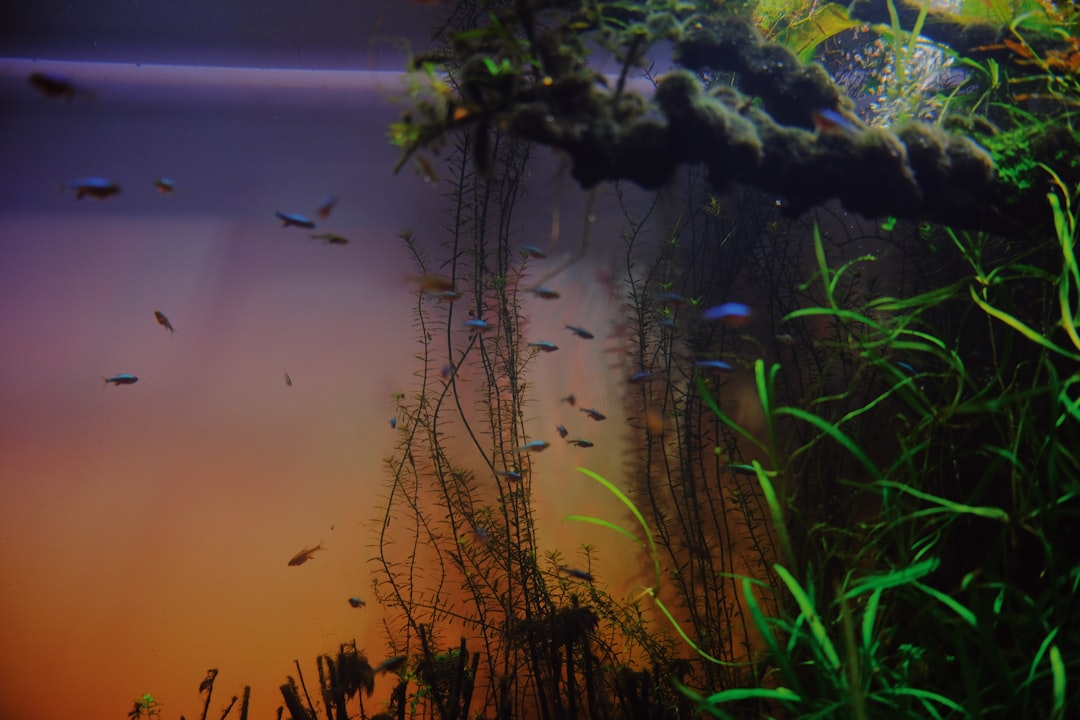
You have done everything right — or so you thought. The tank was set up carefully, the filter is running, and the fish seem fine. But the water has turned cloudy, and no matter how many times you stare at it, it is not clearing up on its own. This is one of the most common and most frustrating problems in the aquarium hobby, and it sends more beginners to Google than almost any other issue. This guide sits inside our broader Freshwater Aquarium Complete Beginner Hub reference.
The good news is that cloudy water is almost always diagnosable, treatable, and preventable. The key is identifying the type of cloudiness, because the colour of the haze tells you exactly what is going on — and different causes require very different solutions.
Step One: Identify the Colour of the Cloudiness
Before you do anything, look carefully at your tank water against a white background. Hold a sheet of white paper behind the tank if needed. The cloudiness will fall into one of three categories, and each points to a distinct cause.
- White or greyish haze — Bacterial bloom or particulate matter
- Green tint — Algae bloom (free-floating algae in the water column)
- Brown or yellowish tint — Tannins from driftwood or organic decay
Let us work through each one in detail.
White or Grey Cloudy Water
This is by far the most common type of cloudy water, and it has two main causes depending on the age of your tank.
Cause 1: Bacterial Bloom (New Tank Syndrome)
If your tank is less than six to eight weeks old, a white or grey haze is almost certainly a bacterial bloom. This happens during the nitrogen cycle, when free-floating heterotrophic bacteria multiply explosively to consume the sudden availability of organic waste. These bacteria are suspended in the water column, giving it that milky appearance.
Why it happens: Your biological filtration has not yet matured. The beneficial nitrifying bacteria (Nitrosomonas and Nitrobacter species) that colonise your filter media need time to establish populations large enough to process the ammonia and nitrite produced by your fish. In the meantime, other bacteria fill the gap — and they cloud the water as they do so.
Singapore-specific factor: Our consistently warm water temperatures of 28 to 31 degrees Celsius actually accelerate bacterial reproduction. This means bacterial blooms in Singapore tanks tend to appear faster, peak harder, and (fortunately) resolve slightly quicker than in cooler climates. However, it also means that ammonia and nitrite spikes can be more acute during cycling, so testing is essential.
How to fix it:
- Do not panic and do not perform massive water changes. A 20 to 25 percent water change every two to three days is sufficient to keep ammonia levels manageable without constantly resetting the bacterial population.
- Ensure your filter is running continuously. Never turn off the filter to “let the tank settle.”
- Reduce feeding to once daily, and only as much as your fish consume in 60 seconds.
- Add a quality bacterial supplement (such as Seachem Stability or API Quick Start) to accelerate the establishment of your biofilter.
- Wait. In most cases, the bloom resolves within 7 to 14 days as the biological filter matures and outcompetes the free-floating bacteria.
Cause 2: Bacterial Bloom (Established Tank)
If your tank has been running for months and suddenly turns cloudy white, something has disrupted your biological filtration. Common triggers include:
- Replacing all filter media at once
- Rinsing filter media in tap water (chloramine in Singapore’s water supply kills beneficial bacteria on contact)
- A large die-off of fish or plants, overwhelming the biofilter with sudden organic waste
- Overfeeding or a forgotten food block while on holiday
- Medication that killed off nitrifying bacteria as a side effect
How to fix it: Identify the trigger and address it. Perform moderate water changes (20 to 30 percent) every other day. Re-dose with bacterial supplements. Test ammonia and nitrite daily until both return to zero. The bloom typically clears within a week once the underlying cause is resolved.
Cause 3: Particulate Matter
If the cloudiness appeared immediately after setup or after disturbing the substrate, you are likely seeing fine particles suspended in the water. This is common with unwashed gravel, crushed coral, or active substrates like ADA Amazonia (which releases fine dust when first flooded).
How to fix it: This is purely mechanical. Run a fine filter floss or polishing pad in your filter. Avoid disturbing the substrate further. The particles will settle or be trapped by the filter within 24 to 48 hours. For stubborn cases, a water clarifier (flocculant) can clump fine particles so the filter catches them more efficiently.
Green Cloudy Water
Green water means one thing: a phytoplankton bloom. Microscopic free-floating algae are reproducing in the water column faster than anything in your tank can consume or filter them out.
Cause: Excess Light and Nutrients
Green water is fundamentally a nutrient and light imbalance. The algae are thriving because they have abundant access to both. Common contributing factors:
- Direct or indirect sunlight hitting the tank. In Singapore, this is a major issue. Many HDB and condo layouts place living areas near large windows, and even indirect tropical sunlight is intense enough to fuel an algae bloom. Tanks near west-facing windows are particularly vulnerable during the afternoon.
- Lights running too long. More than 8 to 10 hours of aquarium lighting per day is excessive for most setups.
- Excess nutrients in the water. High nitrate and phosphate levels — from overfeeding, overstocking, or infrequent water changes — provide the fuel algae need.
- New tank with immature plant growth. In planted aquariums, the live plants compete with algae for nutrients. But in a newly planted tank, the plants have not yet established robust root systems and growth, leaving nutrients available for algae to exploit.
How to fix it:
- Block out light. A three to four day complete blackout (cover the tank with towels or cardboard, lights off, no peeking) will crash the algae population. Your fish will be fine — they do not need light to survive for a few days.
- Reduce your photoperiod. After the blackout, run lights for no more than 6 to 7 hours daily, then gradually increase to 8 hours once the tank stabilises.
- Move the tank or block sunlight. If direct or strong indirect sunlight hits the tank, reposition it or use curtains and blinds during peak sun hours.
- Increase water changes to reduce dissolved nutrient levels.
- Consider a UV steriliser. An inline UV steriliser kills free-floating algae as water passes through it. This is the most reliable long-term solution for tanks prone to green water, and it has no effect on your fish, plants, or beneficial filter bacteria.
Singapore-specific note: Our ambient light levels are exceptionally high year-round. If your tank is anywhere near a window without heavy curtains, green water is not a matter of “if” but “when.” Position your aquarium on an interior wall whenever possible.
Brown or Yellowish Cloudy Water
Cause 1: Tannins from Driftwood
If you have recently added driftwood to your tank and the water has taken on a brownish or tea-coloured tint, you are seeing tannins leaching from the wood. This is cosmetically unappealing to some people but is actually harmless — even beneficial. Tannins are mildly antibacterial, slightly acidic, and many tropical fish species (bettas, tetras, rasboras) thrive in tannin-rich water.
How to fix it (if you want to):
- Pre-soak new driftwood in a bucket of water for one to two weeks before adding it to the tank, changing the water daily.
- Boiling the wood for 30 to 60 minutes accelerates tannin release.
- Run activated carbon in your filter to adsorb tannins from the water. Replace the carbon every three to four weeks as it becomes saturated.
- Regular water changes will gradually dilute the tannins. Most driftwood stops leaching significantly after two to three months.
Cause 2: Organic Decay
If there is no driftwood in the tank and the water has a brownish or yellowish tint with an unpleasant smell, you are dealing with organic decay. This could be from dead fish hidden behind decor, rotting plant matter, or excessive accumulated debris in the substrate.
How to fix it: Locate and remove the source of decay. Perform a 30 to 40 percent water change immediately. Vacuum the substrate thoroughly. Run activated carbon. Test your water parameters, particularly ammonia and nitrite, and continue with daily water changes until levels normalise.
What NOT to Do When Your Tank Is Cloudy
Panic-driven interventions often make cloudy water worse. Avoid these common mistakes:
Do Not Perform a Complete Water Change
Draining and refilling the entire tank resets your biological filtration and virtually guarantees another bacterial bloom within days. Stick to partial changes of 20 to 30 percent.
Do Not Add Chemical Clarifiers as a First Resort
Flocculants and water clarifiers address the symptom, not the cause. They clump suspended particles so your filter can trap them, but if the root cause (overfeeding, light imbalance, disrupted biofilter) is not addressed, the cloudiness will return. Use clarifiers as a supplement to proper diagnosis, not a substitute for it.
Do Not Add More Fish or Increase Feeding
This should be obvious, but it bears stating: cloudy water is a sign that your tank’s ecosystem is under stress. Adding more biological load only compounds the problem.
Do Not Tear Down and Start Over
Cloudy water feels catastrophic, but it is rarely dangerous in the short term (with the exception of ammonia spikes during bacterial blooms, which you should monitor with testing). Almost every case of cloudy water can be resolved within one to two weeks with the right approach. Tearing the tank down and starting fresh puts you right back at square one — including another cycling period with another potential bacterial bloom.
Preventing Cloudy Water: Long-Term Best Practices
Once you have cleared the cloudiness, keep it from returning with these habits:
- Maintain a consistent water change schedule. Weekly changes of 20 to 30 percent prevent nutrient buildup and keep your biofilter healthy.
- Do not overfeed. Feed what your fish consume in two minutes. In Singapore’s warm temperatures, uneaten food breaks down rapidly.
- Never rinse filter media in tap water. Always use old tank water. Singapore’s chloramine-treated tap water will devastate your beneficial bacteria.
- Use a timer for your lights. Consistency prevents both algae blooms and the temptation to leave lights on “just a bit longer.”
- Stock gradually. Adding too many fish at once overwhelms the biofilter. Add new fish in small groups, waiting two to three weeks between additions.
- Pre-treat driftwood by soaking or boiling before adding it to the tank.
When to Seek Professional Help
If your tank has been cloudy for more than three weeks despite following the steps above, there may be an underlying issue that is not immediately obvious — a dead fish trapped in a crevice, a failing filter, contaminated substrate, or a fundamental stocking or maintenance problem. Sometimes a fresh pair of experienced eyes is what you need.
At Gensou Premium Aquascaping, we troubleshoot and resolve water quality issues for aquariums across Singapore. Whether it is a persistent cloudiness problem, an algae outbreak, or a tank that just never seems to look right, we can diagnose the root cause and get your water crystal clear. Reach out to us — we are happy to help.