
Hygrophila Care Guide: Fast-Growing Stem Plants for Any Tank
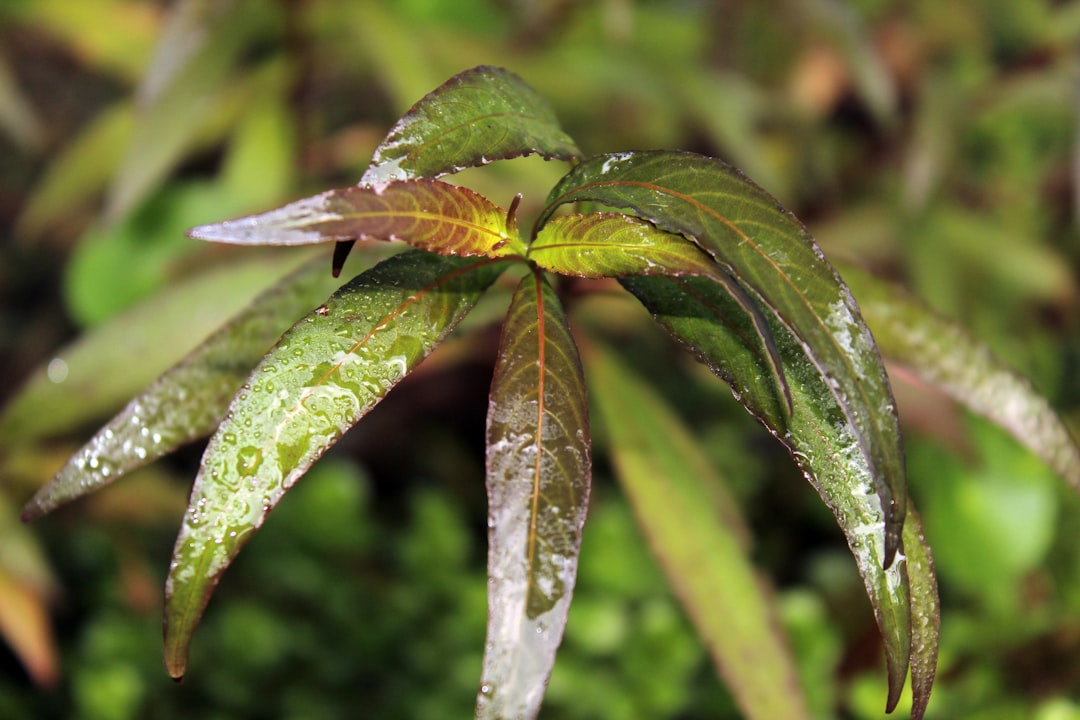
If there were a “most reliable” award for aquarium plants, the hygrophila genus would win it year after year. These fast-growing stem plants are the workhorses of the planted aquarium hobby — easy to grow, easy to propagate, tolerant of a wide range of conditions and outstanding at absorbing excess nutrients from the water. Whether you are setting up your first planted tank or looking for a vigorous stem plant to fill out a mature aquascape, there is a hygrophila aquarium plant for every situation. This guide covers the most popular species, their care requirements and how to get the best from them in Singapore conditions. This guide sits inside our broader Planted Tank Complete Hub reference.
Popular Species Compared
The hygrophila genus contains dozens of species, but four stand out as aquarium favourites. Each has distinct characteristics that suit different tanks and skill levels:
| Species | Common Name | Max Height | Light Need | CO2 Needed | Growth Rate | Difficulty |
|---|---|---|---|---|---|---|
| H. polysperma | Dwarf hygrophila | 30 – 50 cm | Low – High | No | Very fast | Very easy |
| H. corymbosa / siamensis | Giant hygrophila / Temple plant | 40 – 60 cm | Low – High | No | Fast | Easy |
| H. difformis | Water wisteria | 30 – 50 cm | Low – High | No | Very fast | Very easy |
| H. pinnatifida | Hygrophila pinnatifida | 15 – 30 cm | Medium – High | Recommended | Slow – Moderate | Moderate |
Hygrophila polysperma
H. polysperma is possibly the easiest aquarium plant in the world. It grows in virtually any light, any water chemistry and any substrate. The basic form has simple, rounded green leaves arranged in opposite pairs along the stem. The variety ‘Rosanervig’ (sunset hygro) features attractive pink-veined leaves under strong light. This plant grows so vigorously that it is considered invasive in some regions, but in the aquarium it is an absolute gift for beginners looking for fast, reliable growth.
Hygrophila corymbosa / siamensis
H. corymbosa, often sold as H. siamensis or “temple plant,” is a larger, more robust species with broader leaves that can reach 5 to 8 centimetres across. It produces thick stems and makes an excellent background plant in medium to large aquariums. Several varieties exist, including ‘Compact’ (shorter internodes, bushier habit) and ‘Stricta’ (narrower leaves). This is the species to choose if you want a substantial, bold stem plant with presence.
Hygrophila difformis (Water Wisteria)
H. difformis is unique among hygrophila species for its deeply lobed, fern-like leaves. Under good light, the leaves develop intricate, lacy divisions that are visually striking — quite unlike the simple leaves of other hygrophila species. Under low light, the leaves remain more rounded and less divided. Water wisteria is extremely fast-growing and an outstanding nutrient sponge, making it excellent for newly cycled tanks that need help absorbing excess ammonia and nitrate.
Hygrophila pinnatifida
H. pinnatifida is the odd one out in this group. Unlike its easy-going relatives, this species has more specific requirements and a completely different growth habit. Its deeply lobed, brownish-red leaves grow on a creeping stem that can attach to hardscape, somewhat like Bucephalandra. It benefits from CO2 injection and moderate to high light to develop its best colouration. While not difficult, it is a step up from the other species and best suited to intermediate aquarists.
Water Parameters
With the exception of H. pinnatifida, hygrophila species are remarkably adaptable to different water conditions:
| Parameter | Ideal Range | Notes |
|---|---|---|
| Temperature | 22 – 30 °C | Thrives at Singapore ambient temperatures |
| pH | 6.0 – 8.0 | Very broad tolerance |
| GH (General Hardness) | 3 – 20 dGH | Adapts to soft and hard water |
| KH (Carbonate Hardness) | 2 – 15 dKH | Flexible buffering requirements |
This broad tolerance means hygrophila species grow happily in Singapore’s PUB tap water without any modification beyond standard dechlorination. They are equally at home in soft, acidic water alongside tetras and in harder, alkaline water with livebearers.
Lighting and CO2
The three common hygrophila species (polysperma, corymbosa and difformis) are genuinely low-light capable:
- Low light (15 – 30 PAR): All three species grow adequately. Growth is slower, internodes are longer (resulting in a leggier appearance) and leaf size may be smaller, but the plants remain healthy.
- Medium light (30 – 50 PAR): Optimal growth with compact internodes and full-sized leaves. This is the sweet spot for most setups.
- High light (50+ PAR): Rapid growth. Varieties like H. polysperma ‘Rosanervig’ develop their best pink colouration under strong light. CO2 supplementation becomes more beneficial at higher light levels to prevent algae.
CO2 injection is not required for any of the common hygrophila species, making them ideal for low-tech planted tanks. However, CO2 noticeably accelerates growth and produces more compact, lush plants. For H. pinnatifida, CO2 is strongly recommended to achieve good colouration and prevent stunted growth.
Planting and Placement
Hygrophila species are stem plants, meaning they grow vertically from a central stem with roots developing at the nodes (the points where leaves emerge). Planting is straightforward:
- Prepare the stems. If you have received a bunch of stems, separate them into individual stems. Remove any damaged or yellow lower leaves.
- Trim the bottom. Cut the base of each stem at a 45-degree angle just below a node. Roots will develop most vigorously from the nodes.
- Plant each stem about 2 to 3 centimetres deep into the substrate, burying at least one or two nodes. Space stems about 3 to 5 centimetres apart.
- Use planting tweezers for precision. Push the stem into the substrate at a slight angle, then release — the substrate will grip the stem in place.
Hygrophila species are primarily background plants in most aquascapes. Plant them along the back and sides of the tank where their height provides a green backdrop. H. pinnatifida is the exception — its creeping growth habit makes it better suited to midground placement or attachment to hardscape.
Trimming and Propagation
This is where hygrophila truly shines for both beginners and experienced aquascapers. Trimming and propagation are essentially the same process:
- Cut the top of the stem to your desired length, ideally just above a node.
- Replant the cutting directly into the substrate. It will develop roots within days and begin growing as a new, independent plant.
- The original stem will produce one or more side shoots from the remaining nodes, creating a bushier plant.
This “cut and replant” method means a single stem of hygrophila can be multiplied into dozens of plants within a few months. It is one of the simplest and most effective propagation techniques in the planted aquarium hobby.
Trimming Tips
- Trim regularly — fast-growing hygrophila can reach the water surface within a week or two in high-tech setups. Regular trimming promotes bushier growth and prevents the plant from shading everything below it.
- Replant tops, discard bottoms — after several rounds of trimming, the lower portions of stems become woody, bare and unattractive. When this happens, uproot the old stem, cut the healthy top portion and replant it. This keeps the display looking fresh.
- Group plantings — for the most attractive display, plant trimmed stems in tight groups of 5 to 10 to create a dense bush effect.
Nutrient Absorption and Nitrate Control
One of the most practical benefits of fast-growing hygrophila species is their voracious appetite for dissolved nutrients, particularly nitrogen compounds. A dense stand of hygrophila actively absorbs ammonia, nitrite and nitrate from the water column, functioning as a living filter.
This makes hygrophila species outstanding choices for:
- Newly cycled tanks — helping absorb the nutrient spikes common during the first few months
- Heavily stocked tanks — reducing nitrate buildup between water changes
- Tanks with messy eaters — species like puffers, goldfish and large cichlids produce substantial waste that fast-growing plants help mitigate
- Algae prevention — by outcompeting algae for nutrients, hygrophila helps keep algae at bay
For more strategies on controlling nitrate levels, see our guide on how to reduce nitrate in your aquarium.
Common Problems
Leggy, Sparse Growth
If your hygrophila is growing with long gaps between leaves (long internodes), the most common cause is insufficient light. Move the plant closer to the light source, upgrade your lighting or choose a less light-demanding variety. Increasing light intensity typically results in more compact, attractive growth.
Lower Leaves Dropping
It is normal for the lowest leaves on hygrophila stems to gradually die off as the plant directs energy to new growth at the top. This is exacerbated by heavy shading from upper foliage. Regular trimming and replanting of tops keeps the display looking full and prevents bare lower stems from becoming an eyesore.
Stunted Growth in H. pinnatifida
If your H. pinnatifida is not growing or developing poor colouration, it likely needs more light and CO2. This species is more demanding than its relatives and may also benefit from iron-rich liquid fertilisation. Ensure it is planted where it receives direct light, not shaded by taller plants.
Pale or Yellow Leaves
Yellowing leaves in fast-growing hygrophila typically indicate nitrogen or iron deficiency. These plants consume nutrients rapidly and can quickly exhaust available supplies. Increase dosing of a comprehensive liquid fertiliser and ensure regular water changes replenish trace elements.
Aquascaping Uses
Hygrophila species serve several valuable roles in aquascaping:
- Background filler: H. polysperma and H. corymbosa create dense, green backgrounds that frame the midground and foreground.
- Colour accent: H. polysperma ‘Rosanervig’ provides soft pink tones, while H. pinnatifida contributes warm brown-red hues.
- Texture contrast: The lacy leaves of H. difformis contrast beautifully with the broad leaves of Anubias or Amazon swords.
- Hardscape attachment: H. pinnatifida can be attached to driftwood and rocks, adding interest to midground compositions.
- Fast fill: When you need to fill a bare area quickly — whether in a new tank or to cover equipment — hygrophila delivers results faster than almost any other plant.
Singapore-Specific Considerations
Hygrophila species are among the best aquarium plants for Singapore conditions:
- Temperature: Our ambient 28 to 30 degrees Celsius is well within their comfort range, so no heater or chiller is needed.
- Water: PUB tap water parameters (pH 7 to 8, moderate hardness) are perfectly acceptable for all common hygrophila species.
- Availability: All the species discussed here are readily available and affordably priced at aquarium shops across Singapore.
- Growth rate: The warm temperatures in Singapore actually accelerate growth compared to cooler climates, so be prepared for frequent trimming in well-lit tanks.
For HDB and condo aquariums, hygrophila species are ideal because they require no specialised equipment — just a basic light and occasional liquid fertiliser. They grow well in both small nano tanks and larger setups, making them versatile options for any living space.
Frequently Asked Questions
Which hygrophila species is the easiest to grow?
Hygrophila polysperma is widely considered the easiest aquarium plant in the hobby. It tolerates low light, does not need CO2 and grows in virtually any water parameters. If you are new to planted aquariums, start with this species — success is almost guaranteed.
How fast does hygrophila grow?
Under moderate to high light, most hygrophila species can grow 5 to 10 centimetres per week. In high-tech setups with CO2 and strong lighting, growth can be even faster. This rapid growth is one of the plant’s greatest strengths, but it does mean regular trimming is necessary to keep the tank tidy.
Can I float hygrophila instead of planting it?
Yes. H. difformis (water wisteria) in particular grows well as a floating plant, extending roots into the water column and providing shade and cover. Other hygrophila species can also be floated temporarily, though they look best when planted in the substrate.
Is Hygrophila pinnatifida difficult?
H. pinnatifida is more demanding than other hygrophila species but is by no means a difficult plant overall. It benefits from medium to high light, CO2 injection and iron supplementation. Its unique appearance and ability to attach to hardscape make it well worth the slightly higher care requirements. It is a good choice for aquarists ready to step beyond absolute beginner plants.
Looking for healthy hygrophila stems or other aquarium plants? Visit the Gensou shop at 5 Everton Park for a wide range of freshwater plants. Whether you need a simple low-tech background plant or want advice on building a lush planted aquascape, our team has over 20 years of experience to draw on. Get in touch to discuss a custom aquarium or maintenance plan.
Related Reading
- Amazon Sword Care Guide: The Classic Centrepiece Plant
- Anubias Varieties Guide: Every Type Compared
- Aquarium Plant Deficiency Guide: Diagnose by Leaf Symptoms
- Cabomba Care Guide: Feathery Beauty With a Reputation
- Cryptocoryne Care Guide: Low-Light Plants That Thrive in Singapore
With Hygrophila being so forgiving and fast-growing, it can carry an entire layout on its own — explore how to aquascape with Hygrophila only for a lush, single-genus stem tank.



