Best 20 Gallon Aquarium Setup for Beginners
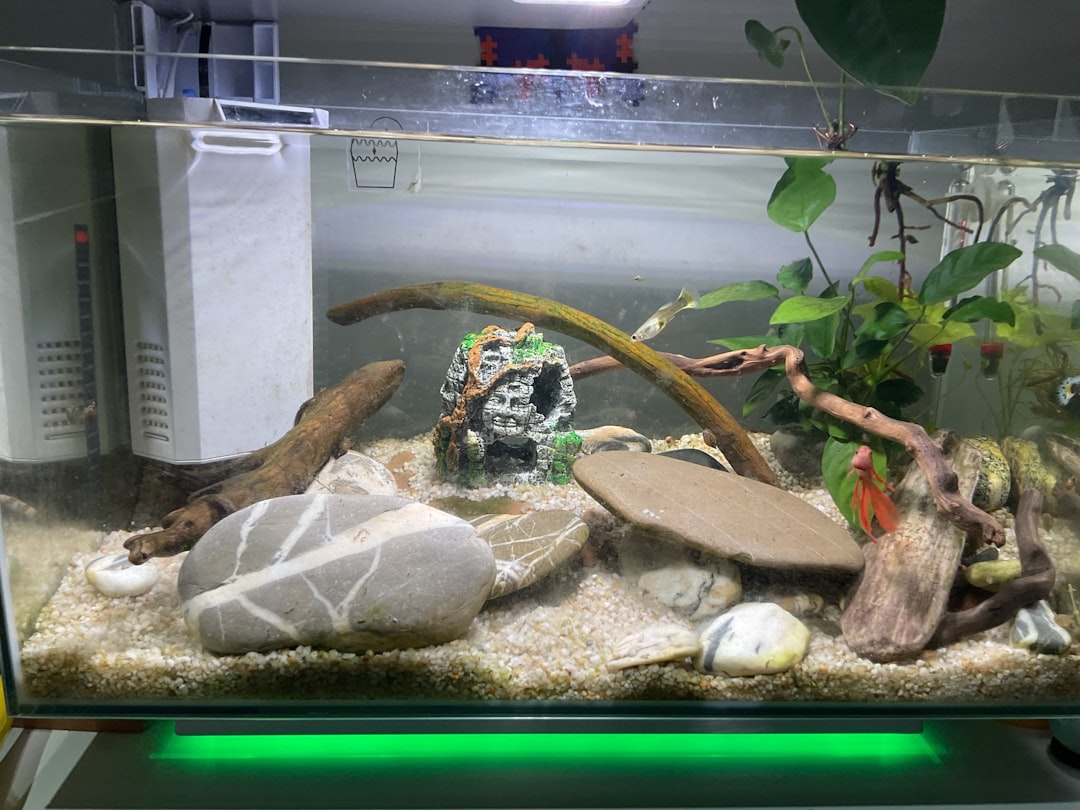
Table of Contents
- Why a 20 Gallon Tank Is Perfect for Beginners
- Choosing the Right 20 Gallon Tank
- Essential Equipment for Your 20 Gallon Aquarium Setup
- Step-by-Step Setup Guide
- Cycling Your Tank Before Adding Fish
- Best Stocking Ideas for a 20 Gallon Tank
- Planted Tank Options for 20 Gallons
- Weekly and Monthly Maintenance Schedule
- Common Mistakes to Avoid
- Singapore-Specific Tips
- Frequently Asked Questions
A 20 gallon aquarium setup strikes the ideal balance between manageable size and enough water volume to keep a healthy, vibrant community of fish. Whether you are setting up your very first tank or upgrading from a smaller nano aquarium, a 20 gallon tank gives you the flexibility to explore different aquascaping styles, house a wider variety of species, and maintain more stable water parameters than smaller setups allow.
At Gensou, our team at 5 Everton Park has helped hundreds of Singaporean hobbyists build beautiful 20 gallon setups over more than 20 years. In this guide, we walk you through everything you need to know — from selecting equipment to choosing fish — so you can confidently build a thriving aquarium in your HDB flat or landed home.
Why a 20 Gallon Tank Is Perfect for Beginners
There is a reason experienced aquarists almost always recommend a 20 gallon tank as a starting point. Here is why this size hits the sweet spot:
- Stable water parameters: More water volume means slower fluctuations in temperature, pH, and ammonia levels. This gives you a larger margin of error as you learn.
- Versatile stocking options: A 20 gallon tank comfortably houses small community fish, a pair of dwarf cichlids, a school of tetras, or even a single betta with tankmates.
- Fits most spaces: At roughly 60 cm long, 30 cm wide, and 40 cm tall (for a standard 20 gallon high), it fits on most desks, shelving units, or dedicated aquarium stands without dominating a room.
- Affordable to equip: Equipment costs remain reasonable compared to larger tanks, and ongoing electricity consumption is modest — important in Singapore where utility bills add up.
- Room to aquascape: Unlike 5 or 10 gallon tanks, you have enough depth and width to create genuine aquascaping layouts with foreground, midground, and background zones.
Choosing the Right 20 Gallon Tank
Not all 20 gallon tanks are identical. The two most common configurations are the 20 gallon long and the 20 gallon high. Each has distinct advantages.
| Feature | 20 Gallon Long | 20 Gallon High |
|---|---|---|
| Approximate dimensions | 76 cm x 30 cm x 30 cm | 60 cm x 30 cm x 40 cm |
| Surface area | Larger (better gas exchange) | Smaller |
| Best for | Bottom-dwellers, corydoras, schooling fish | Tall plants, angelfish (juvenile), vertical aquascapes |
| Lighting needs | Wider spread required | Deeper penetration needed |
| Placement | Needs wider shelf or stand | Fits narrower furniture |
For most beginners in Singapore, the 20 gallon long is our preferred recommendation. The larger surface area improves oxygenation — a genuine advantage in our warm climate where dissolved oxygen levels tend to be lower. It also provides more horizontal swimming space, which many popular community fish prefer.
Glass vs Acrylic
Glass tanks are the standard in Singapore and are more scratch-resistant, easier to clean with algae scrapers, and generally more affordable. Acrylic tanks are lighter and less prone to cracking but scratch more easily. For a 20 gallon setup, glass is almost always the better choice.
Essential Equipment for Your 20 Gallon Aquarium Setup
Before you fill your tank with water, you need the right gear. Here is a complete equipment checklist:
| Equipment | Recommended Specification | Notes |
|---|---|---|
| Filter | Hang-on-back (HOB) or canister rated for 100-150 litres | Slightly over-filtering is always better. Popular choices include the Fluval AquaClear 30 or an Eheim Classic 150. |
| Heater | 50-100W adjustable heater | Singapore’s ambient temperature often keeps tanks at 28-30°C, so a heater may only be needed during rare cold snaps or for species requiring precise temperatures. |
| Lighting | LED light bar, 18-24W full spectrum | For planted tanks, aim for at least 30-50 lumens per litre. Brands like Chihiros and Twinstar are widely available locally. |
| Substrate | Aquasoil (e.g., ADA Amazonia) or inert gravel | Aquasoil is ideal for planted setups. Inert gravel or sand works for fish-only tanks. |
| Thermometer | Digital or glass stick-on | Essential for monitoring in Singapore’s warm climate. |
| Water conditioner | Seachem Prime or equivalent | Removes chlorine and chloramine from PUB tap water. |
| Test kit | API Freshwater Master Test Kit | Tests ammonia, nitrite, nitrate, and pH. Essential during cycling. |
Optional But Helpful Additions
- Air pump and airstone: Increases surface agitation and oxygen levels, particularly useful in Singapore’s heat.
- Timer for lights: Automate a consistent 8-hour photoperiod to reduce algae.
- CO2 system: Only necessary if you plan a high-tech planted tank.
Step-by-Step Setup Guide
Follow these steps to set up your 20 gallon aquarium correctly from day one:
Step 1: Position Your Tank
Place your tank on a level, sturdy surface away from direct sunlight and air-conditioning vents. A filled 20 gallon tank weighs approximately 90 kg, so ensure your furniture or stand can handle the load. In HDB flats, placing it against a load-bearing wall is advisable.
Step 2: Rinse and Add Substrate
Rinse your substrate thoroughly (especially aquasoil, which releases ammonia initially) and spread it evenly across the tank base. Aim for 3-5 cm depth at the front, sloping to 5-8 cm at the back for a natural look.
Step 3: Install Equipment
Attach your filter, heater, and thermometer. Do not plug anything in yet. Position the heater near the filter outflow for even heat distribution.
Step 4: Add Hardscape
Place rocks (such as Seiryu stone or Dragon stone) and driftwood before filling with water. This is far easier to arrange when the tank is dry. Follow the rule of thirds for a visually pleasing layout.
Step 5: Fill with Water
Place a plate or plastic bag on the substrate and pour water slowly to avoid disturbing your layout. Fill to about 80% capacity, then add water conditioner to treat the full volume.
Step 6: Plant (If Applicable)
Insert your plants while the water level is lower for easier access. Use tweezers to plant stem plants firmly into the substrate.
Step 7: Top Up and Power On
Fill the tank completely, then switch on your filter, heater, and lights. Check that everything is running properly.
Cycling Your Tank Before Adding Fish
This is the step most beginners skip — and the one that causes the most heartbreak. The nitrogen cycle must be established before any fish are introduced.
Fishless cycling is the most humane and effective method:
- Add a source of ammonia — pure ammonia solution, fish food, or use the ammonia that leaches from aquasoil.
- Test your water daily with the API test kit.
- After 1-2 weeks, you should see ammonia drop and nitrite spike.
- After 3-6 weeks, nitrite should drop to zero and nitrate should be present.
- When ammonia and nitrite both read 0 ppm within 24 hours of dosing ammonia, your cycle is complete.
In Singapore’s warm climate (28-30°C ambient), cycling tends to progress faster than in cooler countries, often completing in 3-4 weeks. You can accelerate the process by adding established filter media or bacteria products like Seachem Stability.
Best Stocking Ideas for a 20 Gallon Tank
A 20 gallon tank opens up numerous stocking combinations. Here are three proven community setups:
Community Setup A: The Classic Tropical
- 10 neon tetras or cardinal tetras
- 6 corydoras (panda or pygmy)
- 1 honey gourami
- 5 amano shrimp
Community Setup B: The Southeast Asian Biotope
- 8 harlequin rasboras
- 6 kuhli loaches
- 1 sparkling gourami pair
- Nerite snails for algae control
Community Setup C: The Planted Showcase
- 12 ember tetras
- 8 cherry shrimp (breed readily in planted tanks)
- 6 otocinclus
- 1 male betta (only if temperament allows community living)
Always research each species’ specific requirements before purchasing. Local fish shops in Singapore, particularly those around Clementi or Seletar, often carry healthy stock of these species.
Planted Tank Options for 20 Gallons
If you want a lush planted 20 gallon aquarium, start with these beginner-friendly species:
| Plant | Placement | Light Requirement | CO2 Needed? |
|---|---|---|---|
| Java Fern | Midground, attached to wood | Low | No |
| Anubias Nana | Foreground/midground | Low | No |
| Cryptocoryne Wendtii | Midground | Low-medium | No |
| Monte Carlo | Foreground carpet | Medium-high | Recommended |
| Rotala Rotundifolia | Background | Medium | Helpful |
| Bucephalandra | Midground, attached to rock | Low-medium | No |
Weekly and Monthly Maintenance Schedule
Weekly Tasks
- 25-30% water change using dechlorinated tap water
- Vacuum the substrate lightly to remove debris
- Clean the glass with an algae scraper
- Test water parameters (ammonia, nitrite, nitrate, pH)
- Trim overgrown plants
Monthly Tasks
- Rinse filter media in old tank water (never use tap water — it kills beneficial bacteria)
- Check equipment (heater, filter impeller, lighting)
- Replace filter floss or carbon if used
- Inspect fish for signs of disease or stress
In Singapore, evaporation rates can be higher due to heat and air conditioning. Top up with dechlorinated water between water changes to maintain the correct water level.
Common Mistakes to Avoid
- Skipping the cycle: Adding fish to an uncycled tank is the number one killer. Be patient.
- Overstocking: A 20 gallon tank has limits. Use the one-inch-per-gallon rule as a loose guideline, but research each species’ bioload individually.
- Overfeeding: Feed only what your fish can consume in 2-3 minutes. Excess food decomposes and spikes ammonia.
- Placing the tank in direct sunlight: Singapore’s intense sunlight will cause explosive algae growth and temperature spikes.
- Neglecting water changes: Even a well-filtered tank needs regular water changes to remove nitrates and replenish minerals.
- Using untreated tap water: PUB water contains chlorine and chloramine. Always use a water conditioner.
Singapore-Specific Tips
- Temperature management: Singapore’s average water temperature sits around 28-30°C. Most tropical fish thrive at this range, but species like crystal shrimp or certain corydoras prefer cooler water. Consider a chiller or fan for sensitive species.
- Water parameters: PUB tap water is generally soft and slightly acidic (pH 6.5-7.5), which suits most tropical freshwater fish perfectly.
- Electricity costs: A 20 gallon setup with LED lighting and a small filter typically adds $5-10 per month to your electricity bill.
- Where to buy: Visit specialised aquarium shops like those at Clementi, Toa Payoh, or come to our showroom at 5 Everton Park for curated equipment and personalised advice.
- HDB regulations: There are no specific HDB rules against keeping aquariums, but be mindful of weight on upper floors and potential water damage. Use a drip tray beneath your tank.
Frequently Asked Questions
How many fish can I keep in a 20 gallon tank?
A reasonable rule of thumb is 15-20 small fish (such as tetras or rasboras) with a small bottom-dwelling crew. However, stocking depends heavily on species, filtration, and whether the tank is planted. Planted tanks with good filtration can handle slightly higher bioloads. Always err on the side of understocking — your fish will be healthier and your maintenance easier.
Do I need a heater for a 20 gallon tank in Singapore?
For most tropical species, no. Singapore’s ambient temperatures keep aquarium water at 28-30°C naturally. A heater is only necessary during unusual cold weather, for hospital/quarantine tanks where precise temperatures matter, or if your room is heavily air-conditioned around the clock.
How long should I wait before adding fish to a new 20 gallon tank?
You should complete the nitrogen cycle first, which typically takes 3-6 weeks. In Singapore’s warm climate, cycling often completes closer to 3-4 weeks. Never add fish until ammonia and nitrite readings both consistently show 0 ppm.
Can I keep a 20 gallon tank on a desk or shelf?
Yes, provided the furniture can support approximately 90 kg (the weight of a filled 20 gallon tank with substrate and equipment). Standard IKEA shelving units are generally not rated for this weight. A dedicated aquarium stand or a solid hardwood table is strongly recommended.
Start Your 20 Gallon Journey with Gensou
A well-planned 20 gallon aquarium setup can become the centrepiece of any room — and with the right guidance, even a complete beginner can create something truly stunning. At Gensou, we have spent over two decades helping Singaporeans build and maintain beautiful aquariums.
Visit our showroom at 5 Everton Park to browse our curated selection of tanks, equipment, and livestock. Whether you need help choosing the right filter or designing a complete aquascape from scratch, our team is here to help.
Get in touch with us to book a consultation, or browse our online shop for everything you need to get started. If you are after something truly unique, explore our custom aquarium services — we design and build bespoke setups tailored to your space and vision.
Related Reading