Best 40 Gallon Aquarium Stocking Ideas
Table of Contents
- Why a 40 Gallon Tank Opens Up Exciting Possibilities
- Key Stocking Principles for 40 Gallon Tanks
- Community Stocking Ideas
- Species-Specific Stocking Plans
- Planted Tank Stocking Combinations
- 40 Gallon Compatibility Quick Reference
- Filtration and Equipment for Your Stocking Level
- Feeding Strategies for Mixed Communities
- Singapore-Specific Considerations
- Common Stocking Mistakes
- Frequently Asked Questions
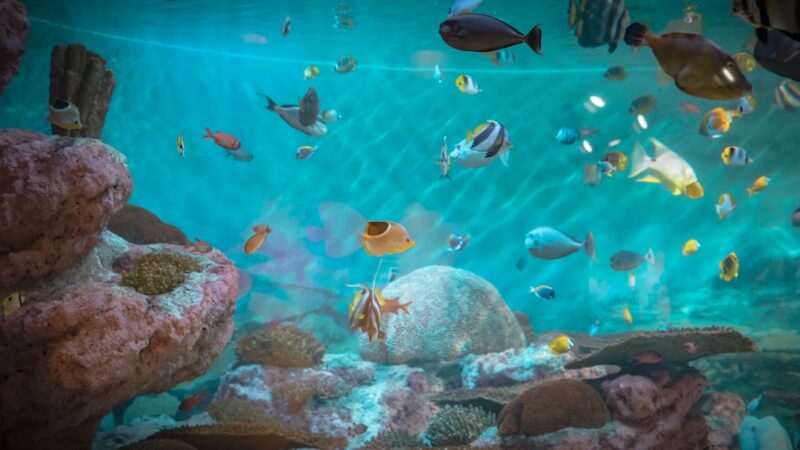
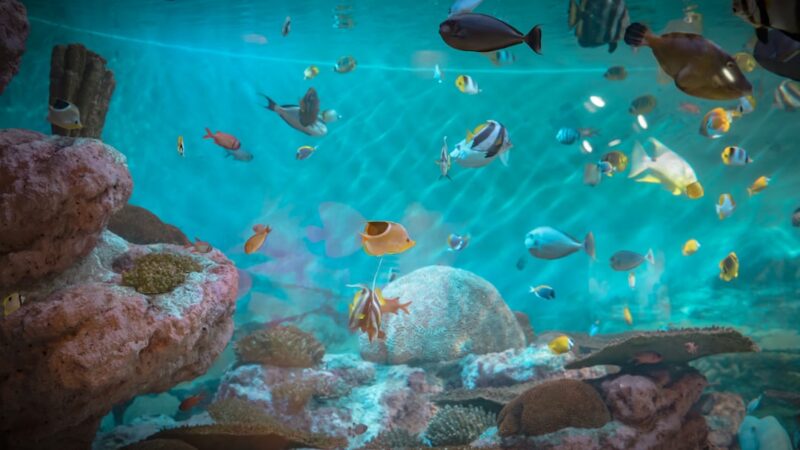
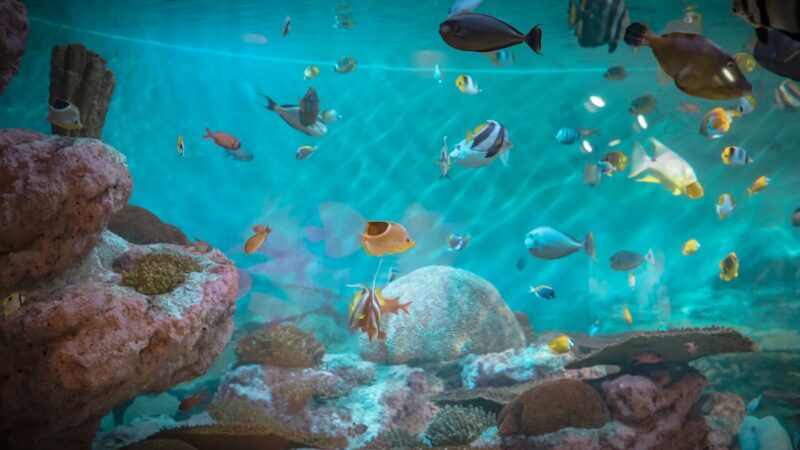
Choosing the right 40 gallon aquarium stocking plan is one of the most exciting parts of the hobby — and one of the most important. A 40 gallon tank (roughly 150 litres) gives you enough water volume to keep a diverse, colourful community of fish while maintaining stable water parameters. But with so many species available at Singapore’s aquarium shops, it is easy to overstock or combine incompatible fish.
At Gensou, we have spent over 20 years helping hobbyists across Singapore plan their ideal stocking lists. This guide shares our proven combinations, essential principles, and practical advice so your 40 gallon tank thrives from day one.
Why a 40 Gallon Tank Opens Up Exciting Possibilities
A 40 gallon tank sits in a sweet spot for the hobby. It is large enough to house medium-sized fish that would be cramped in smaller tanks, yet manageable enough for most HDB flats and condominiums. Here is what this size unlocks:
- Medium-sized fish: Species like dwarf cichlids, rainbowfish, and larger gouramis become viable options.
- Larger schools: Instead of 6-8 tetras, you can keep proper schools of 15-20, which look far more natural and reduce fish stress.
- Multiple layers: Enough depth and length to stock surface-dwellers, mid-water swimmers, and bottom-dwellers simultaneously.
- Better stability: More water volume means slower parameter swings — beneficial for both fish and fishkeeper.
- Aquascaping freedom: Room for elaborate hardscapes, diverse plantings, and defined territories.
Key Stocking Principles for 40 Gallon Tanks
Before selecting specific fish, understand these foundational principles:
The Bioload Rule
The old “one inch of fish per gallon” rule is a rough starting point but often misleading. A 5 cm tetra has a fraction of the bioload of a 5 cm pleco. Focus on actual waste production, activity level, and territorial needs rather than length alone.
Stocking Zones
Think of your tank in three horizontal layers:
- Top: Surface-dwelling or surface-feeding fish (hatchetfish, some killifish, gouramis)
- Middle: Free-swimming schooling fish (tetras, rasboras, barbs)
- Bottom: Substrate-level fish (corydoras, loaches, plecos, shrimp)
Distributing your stock across all three zones reduces competition, uses the full tank space, and creates a more dynamic display.
Temperament Matching
Never mix aggressive or highly territorial fish with timid species. Even fish that are “community safe” can have individual personalities. Always have a backup plan if a fish turns aggressive.
Community Stocking Ideas
Here are four tried-and-tested community plans for a 40 gallon tank. Each has been refined through years of client setups at Gensou.
Plan A: The Vibrant Rainbow Community
| Species | Quantity | Zone | Notes |
|---|---|---|---|
| Boesemani Rainbowfish | 6 | Middle-top | Active swimmers; need open space |
| Sterbai Corydoras | 8 | Bottom | Heat-tolerant — ideal for Singapore |
| Cherry Barbs | 8 | Middle | Peaceful and colourful |
| Amano Shrimp | 6 | Bottom | Excellent algae crew |
| Nerite Snails | 3 | All levels | Will not breed in freshwater |
Plan B: The Southeast Asian Biotope
| Species | Quantity | Zone | Notes |
|---|---|---|---|
| Harlequin Rasboras | 15 | Middle | Classic schooling behaviour in large groups |
| Pearl Gourami | 1 male, 2 females | Top-middle | Stunning centrepiece fish |
| Kuhli Loaches | 8 | Bottom | Nocturnal; provide hiding spots |
| Siamese Algae Eaters | 2 | Bottom-middle | Effective against black beard algae |
Plan C: The Tetra Paradise
| Species | Quantity | Zone | Notes |
|---|---|---|---|
| Cardinal Tetras | 20 | Middle | Stunning in large schools under dim lighting |
| Rummy-Nose Tetras | 10 | Middle | Tight schooling behaviour; excellent water quality indicator |
| Bristlenose Pleco | 1 | Bottom | Stays small (12-15 cm); great algae eater |
| Pygmy Corydoras | 10 | Bottom-middle | Tiny and charming; often hover mid-water |
| Otocinclus | 6 | Bottom-middle | Delicate but effective algae grazers |
Plan D: The Dwarf Cichlid Showpiece
| Species | Quantity | Zone | Notes |
|---|---|---|---|
| Apistogramma Cacatuoides | 1 male, 2 females | Bottom-middle | Territorial during breeding; provide caves |
| Ember Tetras | 15 | Middle | Small enough to avoid cichlid aggression |
| Panda Corydoras | 8 | Bottom | Peaceful bottom-dwellers |
| Cherry Shrimp | 15 | Bottom | Some may become snacks; dense planting helps |
Species-Specific Stocking Plans
A 40 gallon tank also works beautifully as a species-dedicated setup. Consider these options:
Shell-Dwelling Cichlids (Tanganyikan)
A colony of Neolamprologus multifasciatus or Lamprologus ocellatus in a 40 gallon tank with a sand substrate and plenty of escargot shells creates a fascinating behavioural display. These fish establish territories around individual shells, and watching their social hierarchy is endlessly entertaining.
Shrimp Breeding Colony
A 40 gallon planted tank devoted to Neocaridina (cherry shrimp) or Caridina (crystal shrimp) allows you to build a thriving colony. The large water volume stabilises parameters, and dense moss and plants provide ample grazing surfaces and hiding spots for shrimplets. Singapore’s soft water is naturally suited to Caridina species.
Fancy Guppy Display
Stock 15-20 male guppies (no females, to avoid constant breeding) for a tank bursting with colour and movement. Add a school of corydoras for the bottom layer and some nerite snails for algae control.
Planted Tank Stocking Combinations
If your 40 gallon is a planted aquascape, your stocking should complement — not overpower — the greenery.
- Nano fish approach: 25 green neon tetras, 10 pygmy corydoras, 20 cherry shrimp. Small fish make your aquascape look larger and more natural.
- Iwagumi style: A single species — 20 cardinal tetras — swimming over a carpet of hairgrass or Monte Carlo. Minimalist and stunning.
- Dutch style: A diverse mix of small schooling fish (tetras, rasboras) distributed across the midground, with otocinclus and amano shrimp as the cleanup crew.
40 Gallon Compatibility Quick Reference
| Species | Tetras | Rasboras | Corydoras | Gouramis | Dwarf Cichlids | Shrimp |
|---|---|---|---|---|---|---|
| Tetras | Yes | Yes | Yes | Yes | Mostly | Yes |
| Rasboras | Yes | Yes | Yes | Yes | Mostly | Yes |
| Corydoras | Yes | Yes | Yes | Yes | Yes | Yes |
| Gouramis | Yes | Yes | Yes | Caution | Caution | Caution |
| Dwarf Cichlids | Mostly | Mostly | Yes | Caution | Caution | Risk |
| Shrimp | Yes | Yes | Yes | Caution | Risk | Yes |
Key: Yes = generally safe. Mostly = works with care. Caution = depends on individual temperament. Risk = likely predation or aggression.
Filtration and Equipment for Your Stocking Level
Your filtration must match your bioload. Here are our recommendations based on stocking density:
| Stocking Level | Filter Type | Flow Rate | Example |
|---|---|---|---|
| Light (shrimp, nano fish) | Sponge filter or small HOB | 4-6x tank volume/hour | Sponge filter + air pump |
| Moderate (standard community) | HOB or small canister | 6-8x tank volume/hour | Fluval 207 or AquaClear 50 |
| Heavy (large schools, cichlids) | Canister filter | 8-10x tank volume/hour | Eheim Classic 250 or Fluval 307 |
In Singapore’s warm climate, increased oxygenation is essential for heavier stocking. Add an airstone or increase surface agitation through filter positioning.
Feeding Strategies for Mixed Communities
A well-stocked 40 gallon community needs a varied diet. Different species occupy different zones and feed differently:
- Floating flakes or pellets: For surface and mid-water feeders (tetras, rasboras, gouramis).
- Sinking wafers or pellets: For bottom-dwellers (corydoras, plecos, loaches). Drop these in after lights out to ensure they reach the bottom.
- Frozen foods: Bloodworms, brine shrimp, and daphnia as treats 2-3 times per week. Available at most Singapore aquarium shops.
- Blanched vegetables: Cucumber, zucchini, or spinach for plecos and shrimp.
Feed once or twice daily, only what your fish can consume in 2-3 minutes. In Singapore’s heat, uneaten food decomposes rapidly and can spike ammonia levels.
Singapore-Specific Considerations
- Temperature: Singapore’s ambient 28-30°C suits most tropical species perfectly. Avoid cold-water species like white cloud mountain minnows unless you use a chiller.
- Water parameters: PUB tap water (pH 6.5-7.5, soft to moderately hard) is ideal for the vast majority of community fish. Minimal adjustment needed.
- Space and weight: A filled 40 gallon tank weighs approximately 180 kg. Ensure your floor and furniture can handle this. In older HDB flats, consider placing the tank against a structural wall.
- Sourcing fish: Singapore is a global hub for ornamental fish. You will find excellent stock at specialist shops. Quarantine new arrivals for 1-2 weeks before adding them to your display tank.
- Electricity: A 40 gallon setup with canister filter, LED lighting, and no heater typically costs $10-20 per month in electricity.
Common Stocking Mistakes
- Adding all fish at once: Introduce fish in small batches over 4-6 weeks to allow your biological filtration to adjust to the increasing bioload.
- Mixing incompatible species: A beautiful fish at the shop might terrorise your existing community. Always research temperament before purchasing.
- Keeping schooling fish in too-small groups: Tetras, rasboras, and corydoras need groups of at least 6 (preferably 8-10+) to feel secure. Stressed fish are more prone to disease.
- Ignoring adult size: That cute 3 cm fish at the shop might grow to 15 cm. Common plecos, for instance, can reach 30+ cm and are entirely unsuitable for a 40 gallon tank.
- Neglecting the cleanup crew: Algae eaters, snails, and shrimp are not just decorative — they play a vital role in maintaining tank hygiene.
- Overstocking because “it looks empty”: A new tank with juvenile fish will look sparse. Give it time — fish grow, plants fill in, and patience is rewarded.
Frequently Asked Questions
How many fish can I put in a 40 gallon tank?
A well-filtered 40 gallon tank can comfortably house 25-35 small community fish (tetras, rasboras, corydoras) or 15-20 medium-sized fish (rainbowfish, dwarf cichlids). The key factors are species bioload, filtration capacity, and whether the tank is planted. Planted tanks with robust filtration offer more headroom. Always stock gradually and monitor water parameters as you add fish.
Can I keep angelfish in a 40 gallon tank?
A 40 gallon tank can house a pair of angelfish, but it is tight — particularly if you want a diverse community alongside them. Angelfish grow tall (up to 15 cm body height) and can become territorial, especially during breeding. If angelfish are your priority, consider a 40 gallon high tank and stock cautiously with small, fast-moving dither fish like rummy-nose tetras.
What is the best centrepiece fish for a 40 gallon community?
Our top picks include the pearl gourami (peaceful, beautiful, and heat-tolerant), a pair of Apistogramma cacatuoides (colourful and fascinating behaviour), or a small group of Boesemani rainbowfish (active and brilliantly coloured). Each brings a different character to the tank — visit our showroom to see them in person.
Do I need a heater for a 40 gallon tank in Singapore?
For standard tropical community fish, no. Singapore’s climate keeps aquarium water at 28-30°C year-round. A heater is only needed if your room is air-conditioned 24/7 or if you keep species requiring temperatures above 30°C (such as discus). Conversely, if you keep species that prefer cooler water, you may need a fan or chiller.
Plan Your Perfect 40 Gallon Community with Gensou
The right 40 gallon aquarium stocking plan transforms a glass box into a living ecosystem. With over two decades of experience, our team at Gensou has designed hundreds of successful community tanks for hobbyists across Singapore.
Visit us at 5 Everton Park to see our display tanks, discuss stocking ideas with our staff, and hand-pick healthy fish for your setup. We carry a curated selection of livestock suited to Singapore’s water conditions and climate.
Contact us for personalised stocking advice, shop our range of fish, plants, and equipment online, or explore our custom aquarium design services if you want a professionally planned setup from start to finish.
Related Reading