Best 10 Gallon Aquarium Setup for Beginners
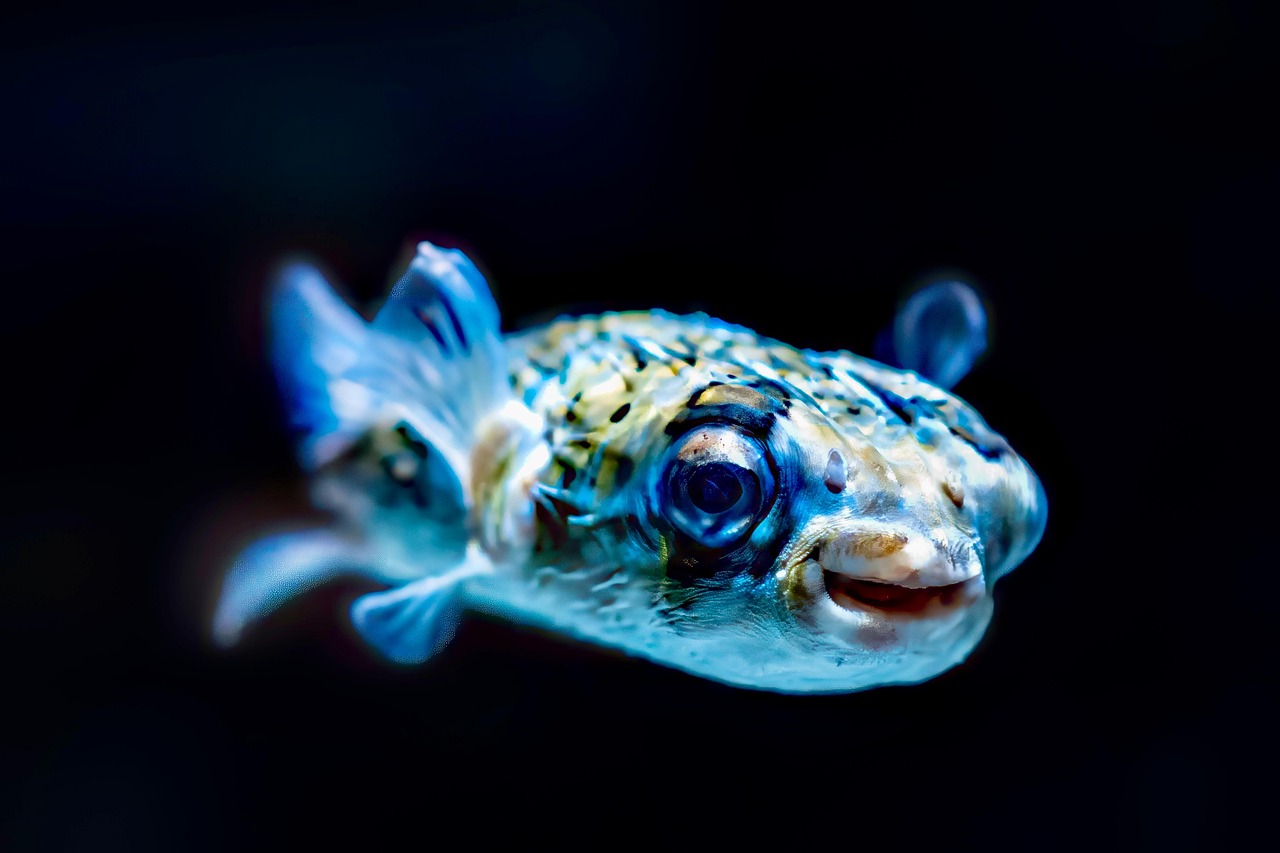
Table of Contents
- Why a 10 Gallon Tank Is Perfect for Beginners
- Essential Equipment Checklist
- Choosing Substrate and Hardscape
- Filter, Heater and Lighting Options
- Cycling Your Tank Before Adding Fish
- Best Stocking Ideas for a 10 Gallon Tank
- Aquascaping Layout Tips
- Weekly and Monthly Maintenance Schedule
- Common Mistakes to Avoid
- Singapore-Specific Tips
- Frequently Asked Questions
- Start Your 10 Gallon Journey Today
A well-planned 10 gallon aquarium setup is one of the most rewarding first steps into the hobby of fishkeeping. Large enough to support a healthy mini ecosystem yet compact enough for a bedroom, study or HDB flat living room, the 10 gallon tank strikes the ideal balance between versatility and manageability. At Gensou, our aquascaping studio at 5 Everton Park, Singapore, we have helped hundreds of beginners build their first tank over more than 20 years — and the 10 gallon remains our most-recommended starting point.
In this guide you will learn exactly what equipment you need, which fish and plants thrive in a 10 gallon environment, how to cycle your tank safely and how to maintain it with minimal effort. Whether you are setting up a planted nano tank or a colourful community aquarium, this article has you covered.
Why a 10 Gallon Tank Is Perfect for Beginners
A 10 gallon tank (approximately 38 litres) sits in a sweet spot that smaller nano tanks and larger setups cannot match. Here is why it works so well for newcomers:
- Stable water parameters — More water volume than a 5 gallon tank means temperature and chemistry fluctuations are slower and easier to manage.
- Affordable startup cost — Complete 10 gallon kits in Singapore typically range from S$80 to S$200, depending on brand and accessories.
- Compact footprint — Standard dimensions of roughly 50 cm × 25 cm × 30 cm fit comfortably on most desks, shelves and cabinet tops.
- Decent stocking options — You can keep a small school of tetras, a betta sorority, shrimp colonies or a planted aquascape with real design depth.
- Easy maintenance — Weekly water changes take 10 to 15 minutes, and equipment cleaning is straightforward.
For Singaporean hobbyists living in HDB flats or condominiums where space is at a premium, the 10 gallon tank delivers maximum impact without dominating a room.
Essential Equipment Checklist
Before purchasing livestock or plants, gather the following equipment. We have included approximate price ranges you can expect at local fish shops (LFS) along Serangoon North or online retailers in Singapore.
| Equipment | Purpose | Estimated Cost (SGD) |
|---|---|---|
| 10 gallon glass tank | Main enclosure | $30 – $80 |
| Hang-on-back or sponge filter | Biological and mechanical filtration | $15 – $50 |
| LED light (6500 K – 7000 K) | Plant growth and viewing | $20 – $60 |
| Heater (50 W) or cooling fan | Temperature regulation | $15 – $40 |
| Thermometer | Temperature monitoring | $3 – $10 |
| Substrate (aquasoil or gravel) | Plant anchoring and aesthetics | $10 – $30 |
| Water conditioner | Chlorine and chloramine removal | $8 – $15 |
| Test kit (liquid preferred) | Ammonia, nitrite, nitrate, pH testing | $25 – $45 |
| Fish net and siphon | Maintenance tools | $5 – $15 |
Altogether, expect to invest between S$130 and S$350 for a quality 10 gallon aquarium setup — a modest outlay that pays dividends in relaxation and visual appeal.
Choosing Substrate and Hardscape
Your substrate forms the foundation of the entire aquascape. For a planted 10 gallon tank, aquasoil (such as ADA Amazonia or local equivalents) provides nutrients that fuel root-feeding plants like Cryptocoryne and dwarf hairgrass. If you prefer a low-maintenance fish-only setup, fine natural gravel or sand works perfectly well.
Substrate Depth Guidelines
Aim for a depth of 3 to 5 cm at the front, sloping to 5 to 8 cm at the back. This slope creates the illusion of depth — a trick professional aquascapers use even in small tanks.
Hardscape Materials
In a 10 gallon tank, one or two focal pieces of hardscape are enough. Popular choices include:
- Dragon stone — Textured, lightweight and widely available in Singapore.
- Seiryu stone — Striking grey stone with white veining, though it can raise pH slightly.
- Spider wood or driftwood — Adds a natural feel and releases tannins that many tropical fish enjoy.
Visit our studio at 5 Everton Park to hand-pick hardscape pieces — seeing them in person makes a huge difference compared to buying online.
Filter, Heater and Lighting Options
Filtration
For a 10 gallon tank, a hang-on-back (HOB) filter rated for 10 to 20 gallons offers reliable flow and easy media access. Alternatively, a sponge filter powered by an air pump is gentler — ideal if you plan to keep shrimp or betta fish. Canister filters are overkill at this size unless you want crystal-clear water for photography.
Temperature Control
Singapore’s ambient temperature typically ranges from 25 °C to 32 °C. Most tropical fish thrive at 24 °C to 28 °C, so a heater is rarely essential unless your room is heavily air-conditioned. In fact, a small cooling fan can be more useful during the hotter months to prevent the tank from exceeding 30 °C.
Lighting
Choose an LED light in the 6500 K to 7000 K colour temperature range for healthy plant growth. Run the light for 8 to 10 hours per day on a timer to prevent algae outbreaks. Budget LEDs from local brands work surprisingly well for low-tech planted setups.
Cycling Your Tank Before Adding Fish
The nitrogen cycle is the single most important concept every new fishkeeper must understand. Skipping the cycle is the number-one cause of fish deaths in new tanks.
What Is the Nitrogen Cycle?
Beneficial bacteria convert toxic ammonia (from fish waste) into nitrite and then into less harmful nitrate. This colony takes 2 to 6 weeks to establish in a new filter.
How to Fishless Cycle a 10 Gallon Tank
- Set up the tank with substrate, hardscape, filter, heater and dechlorinated water.
- Add a source of ammonia — pure liquid ammonia or fish food left to decompose — to reach 2 to 4 ppm ammonia.
- Test water daily with a liquid test kit.
- When ammonia and nitrite both read 0 ppm within 24 hours of dosing, your cycle is complete.
- Perform a large water change (50 to 70 percent) to reduce accumulated nitrate before adding fish.
Patience during cycling saves countless fish lives and prevents the heartbreak of “new tank syndrome.”
Best Stocking Ideas for a 10 Gallon Tank
A 10 gallon tank supports a modest bioload. The general rule of thumb — one inch of fish per gallon — is a rough guide, but behaviour, waste output and swimming space matter just as much. Below are five proven stocking plans.
| Stocking Plan | Fish / Invertebrates | Notes |
|---|---|---|
| Betta Centrepiece | 1 betta + 6 corydoras habrosus | Peaceful bottom-dwellers complement a single betta |
| Nano Schooling Tank | 10 ember tetras + 4 otocinclus | Colourful, active school with algae-eating helpers |
| Shrimp Paradise | 20-30 neocaridina shrimp + 6 chili rasboras | Ideal for planted tanks; shrimp breed readily |
| Guppy Garden | 6 male guppies + 4 amano shrimp | Males only to prevent overpopulation |
| Dwarf Puffer Solo | 1 pea puffer + 5 otocinclus | Entertaining personality; needs snails as food |
All species listed above are readily available at local fish shops in Singapore, particularly along the well-known aquarium strip at Seaview Aquarium and C328.
Aquascaping Layout Tips
Even in a small 10 gallon tank, thoughtful layout transforms a box of water into a living work of art.
The Rule of Thirds
Divide your tank visually into a 3 × 3 grid. Place focal hardscape pieces at the intersection points rather than dead centre. This creates a natural, balanced appearance.
Foreground, Midground and Background
- Foreground — Low-growing plants such as Monte Carlo, dwarf hairgrass or Marsilea hirsuta.
- Midground — Anubias nana petite, Bucephalandra or small Cryptocoryne varieties.
- Background — Rotala rotundifolia, Ludwigia repens or Vallisneria nana for height.
Negative Space
Resist the urge to fill every centimetre. Open sand pathways or bare substrate areas give the eye a place to rest and make the overall design more elegant.
Weekly and Monthly Maintenance Schedule
| Task | Frequency | Time Required |
|---|---|---|
| Water change (20-30%) | Weekly | 10 – 15 minutes |
| Glass cleaning (algae scraper) | Weekly | 2 – 3 minutes |
| Water parameter testing | Weekly (first 3 months), then fortnightly | 5 minutes |
| Filter media rinse (in tank water) | Monthly | 5 – 10 minutes |
| Plant trimming | Every 2 – 4 weeks | 10 – 20 minutes |
| Substrate vacuuming | Fortnightly | 5 – 10 minutes |
In Singapore’s warm climate, algae can grow faster than in temperate countries. Keeping your lighting period under 10 hours and avoiding overfeeding are the two simplest preventive measures.
Common Mistakes to Avoid
- Skipping the cycle — Adding fish to an uncycled tank leads to ammonia poisoning. Always cycle first.
- Overstocking — A 10 gallon tank has limits. Stick to the stocking plans above or consult an expert.
- Overfeeding — Feed only what fish consume within 2 minutes, once or twice daily.
- Ignoring water changes — Nitrate accumulation stresses fish over time. Consistency is key.
- Placing the tank in direct sunlight — In Singapore, direct sun can overheat the tank and fuel explosive algae growth.
- Using untreated tap water — PUB water is safe for humans but contains chloramine that harms fish. Always add water conditioner.
- Mixing incompatible species — Research temperament and water parameter preferences before combining fish.
Singapore-Specific Tips
Living in a tropical city-state brings unique advantages and challenges for aquarium hobbyists.
- Temperature management — Room temperatures can spike during the day. Consider a clip-on fan or placing the tank in an air-conditioned room. Avoid placing the tank near windows that receive afternoon sun.
- PUB tap water — Singapore’s tap water is generally soft with a pH around 7.0 to 7.5, which suits most tropical fish. Always dechlorinate before use.
- Local fish shops — Visit shops along Serangoon North Avenue 1, Clementi or Pasir Ris Farmway for competitive pricing. Our team at Gensou can also recommend trusted suppliers.
- Humidity — High ambient humidity means evaporation is slower than in drier climates, but you should still top off the tank weekly to maintain water level.
- HDB regulations — There are no specific HDB rules against keeping aquariums, but ensure your tank stand can support the weight (a 10 gallon tank weighs roughly 45 kg when full) and that there is no risk of water damage to neighbours below.
Frequently Asked Questions
How many fish can I keep in a 10 gallon tank?
A safe guideline is 8 to 12 small fish (under 3 cm adult size) such as ember tetras, chili rasboras or endler guppies. Avoid larger species like angelfish or common plecos, which outgrow the tank rapidly. Always factor in the filtration capacity and planting density when determining your final stocking level.
Do I need a heater for a 10 gallon tank in Singapore?
In most cases, no. Singapore’s ambient temperature keeps tank water within the 26 °C to 30 °C range that suits tropical fish. However, if you keep your room heavily air-conditioned (below 24 °C for extended periods), a small 50 W heater with a thermostat provides a useful safety net.
How often should I change the water in a 10 gallon tank?
Perform a 20 to 30 percent water change once a week. This removes accumulated nitrate and replenishes trace minerals. During the initial cycling period, you may need more frequent changes if ammonia or nitrite levels spike after adding fish.
Can I keep live plants in a 10 gallon tank without CO2 injection?
Absolutely. Many popular aquarium plants — including Java fern, Anubias, Cryptocoryne, Bucephalandra and Java moss — grow beautifully without CO2 supplementation. Use a nutrient-rich substrate and dose liquid fertiliser weekly for best results. CO2 injection is only necessary for demanding carpeting plants or high-light setups.
Related Reading
- Best 20 Gallon Aquarium Setup for Beginners
- Best 40 Gallon Aquarium Stocking Ideas
- Best 55 Gallon Aquarium Stocking Ideas
- Best Fish for a 5-Gallon Planted Nano Tank: Tiny but Complete
- Best Fish for a Nano 5-Gallon Tank
Start Your 10 Gallon Journey Today
A thoughtfully planned 10 gallon aquarium setup delivers a captivating slice of nature right in your home — and it is far easier to achieve than most beginners expect. With the right equipment, a properly cycled tank and a sensible stocking plan, you will enjoy years of low-maintenance beauty.
At Gensou, we have been helping Singaporeans create stunning aquascapes for over two decades. Whether you need help selecting equipment, designing a layout or choosing compatible fish, our team is ready to assist.
Ready to build your first 10 gallon tank? Get in touch with our team for personalised advice, visit our studio at 5 Everton Park to see display tanks in person, or browse our online shop for curated starter kits and aquascaping supplies.