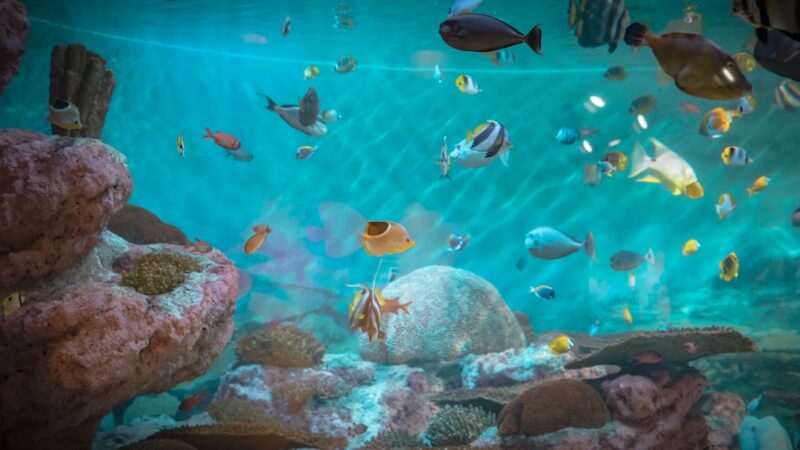
Night-Time Aquarium Viewing: What Happens After Dark
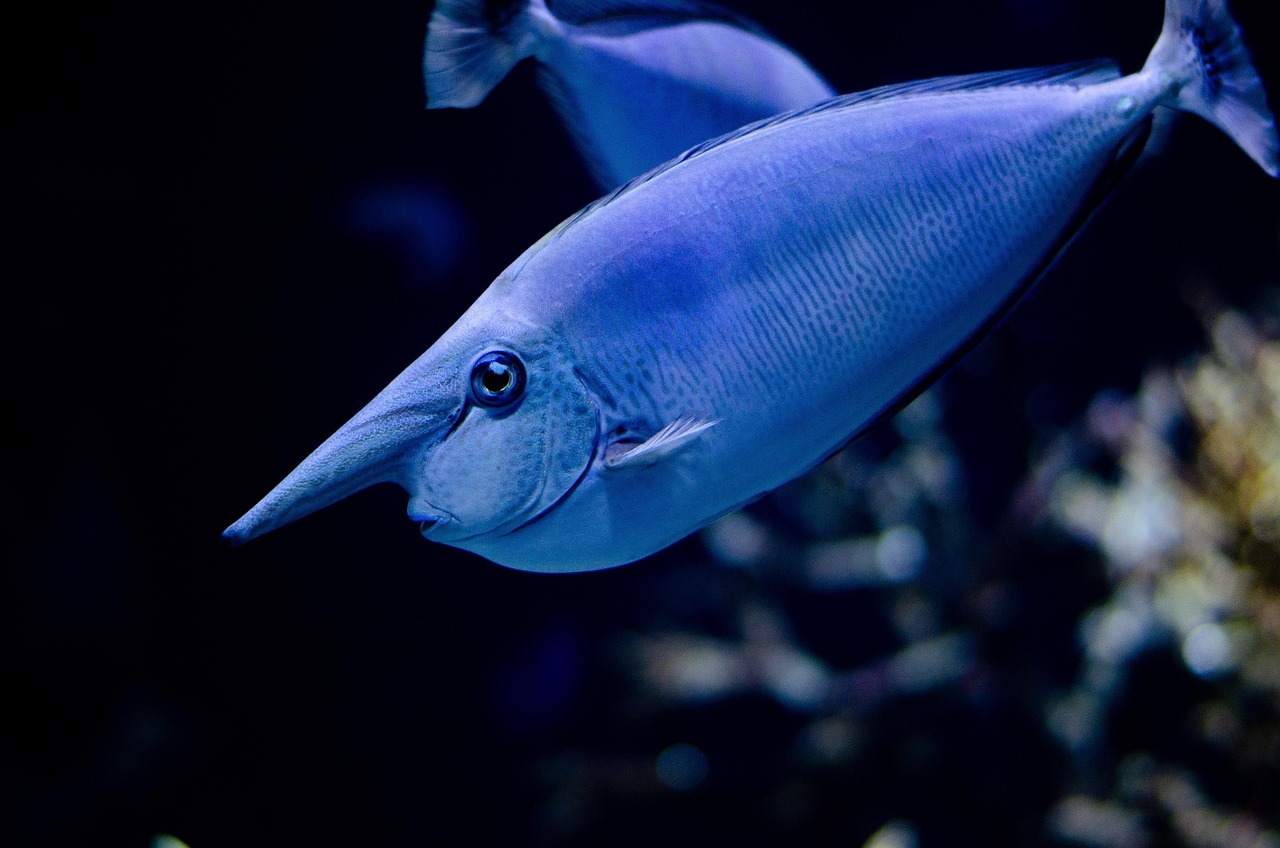
Most hobbyists only see their aquarium during the day, but an entirely different world emerges after the lights go out. Nocturnal fish become active, shrimp emerge to forage boldly, and behaviours invisible during the day play out in the darkness. This night aquarium viewing guide from Gensou Aquascaping at 5 Everton Park reveals the hidden night shift in your tank.
The Night Shift: Who Comes Alive
Many popular aquarium species are crepuscular (active at dawn and dusk) or fully nocturnal. Kuhli loaches, which hide all day, emerge to snake across the substrate at night. Plecos leave their caves to graze on algae under cover of darkness. Corydoras become noticeably more active. Shrimp — especially the normally shy ones — parade openly, feeding across every surface. Even typically diurnal fish display different behaviours: tetras may cluster tightly, while some species change colour or pattern at night.
Moonlight and Blue LED Setups
A moonlight feature — a dim blue or white LED that simulates moonlight — allows you to observe nocturnal activity without disturbing the fish. Many modern aquarium lights include a moonlight mode. Alternatively, a small blue LED strip positioned at the back of the tank provides just enough illumination to watch without triggering the fish’s “daytime” behaviour. Avoid using a torch or room light suddenly — the shock of bright light at night stresses fish significantly.
Night-Time Fish Behaviour
At night, the social hierarchy of your tank may shift. Dominant fish that patrol territories during the day rest in specific sleeping spots, allowing subordinate fish to move freely. Some fish sleep in surprising ways: parrotfish (marine) create mucus cocoons, while many freshwater species simply become still among plants or near the substrate. Bettas often rest on leaves or in plant thickets near the surface.
Nocturnal Predators
If you keep nocturnal predators like bichirs, rope fish or African butterfly fish, nighttime is when the real action happens. These species hunt by smell and vibration in the dark, stalking prey with slow, deliberate movements. Watching a bichir locate and strike food using only its sense of smell is fascinating and reveals how these ancient fish survived millions of years of evolution.
Invertebrate Night Activity
Shrimp of all species become dramatically more active at night. Cherry shrimp that hide among plants during the day march openly across the substrate, glass and hardscape after dark. Snails climb to the waterline and above. If you have mystery snails, you may see them extend their siphon above the water surface to breathe. Night is also when you are most likely to spot pest inhabitants — planaria, hydra and detritus worms become visible.
Night Viewing Tips
Use a dim red light for observation — red wavelengths are less visible to most fish, allowing you to watch without disturbing natural behaviour. A red-filtered torch or a red LED strip works well. Let your eyes adjust to the darkness for a few minutes before trying to observe. Sit quietly and still — movement and vibration alert fish to your presence. The best viewing window is 30–60 minutes after the main lights go out, when nocturnal species have fully emerged.
Lighting Schedules and Transitions
Avoid switching aquarium lights on or off abruptly. A sudden change from full brightness to complete darkness (or vice versa) startles fish — some species panic-swim into glass, hardscape or other fish. Use a timer with a gradual dimming feature, or leave the room lights on briefly as a transition when the tank lights turn off. Many modern LED controllers offer sunrise and sunset simulation that gradually ramps brightness over 15–30 minutes.
What to Watch For at Night
Night observation can reveal problems invisible during the day. Aggression between nocturnal species, parasites that are more visible at night (like anchor worms), fish that should be resting but are instead gasping or swimming erratically, and the presence of pest organisms all become apparent after dark. Regular night checks — even brief ones — give you a more complete picture of your aquarium’s health.
Singapore-Specific Tips
In Singapore’s HDB flats, ambient light from surrounding buildings and street lamps can enter through windows, affecting the perceived “darkness” in your tank. Position the tank away from windows or use a background that blocks external light. Singapore’s late-night culture means many hobbyists naturally keep late hours — this is an advantage for night viewing. Air conditioning often runs at night, so monitor temperature during overnight observation sessions.
Conclusion
Your aquarium has a secret life after dark that most hobbyists never see. A simple moonlight setup and a few minutes of patient observation reveal an entirely new dimension to your tank. Visit Gensou Aquascaping at 5 Everton Park for moonlight LED recommendations and advice on creating the best conditions for nocturnal viewing.