
Salvini Cichlid Care Guide: Striking Yellow and Black
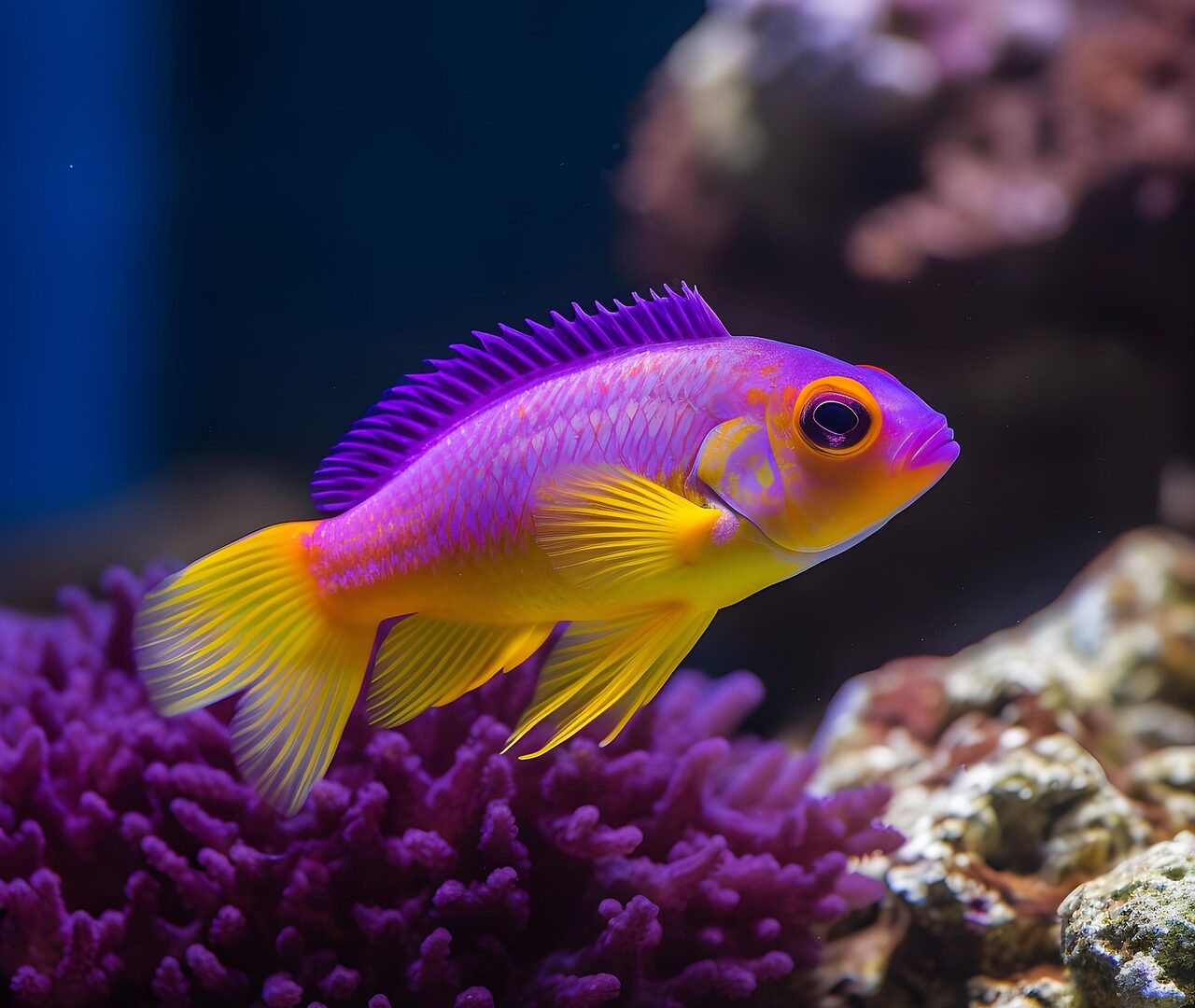
The Salvini cichlid (Trichromis salvini) is a stunning Central American cichlid with bold yellow and black colouration that rivals any marine fish for visual impact. Males in breeding condition display some of the most intense yellows in freshwater fishkeeping. This Salvini cichlid care guide from Gensou Aquascaping at 5 Everton Park covers this underappreciated beauty.
Salvini Cichlid Overview
Salvini cichlids originate from southern Mexico, Guatemala and Belize, inhabiting slow-moving rivers, lakes and lagoons. They grow to 15–18 cm, making them a medium-sized cichlid. Their base colour is bright yellow with a bold black lateral stripe, black blotches and iridescent blue-green spots. Males are larger and more intensely coloured, with red or orange suffusion on the belly during breeding. They live for eight to twelve years.
Tank Requirements
A pair needs at least a 200-litre tank. Salvini cichlids are moderate swimmers that appreciate a mix of open space and structured territory. Use sand substrate — they dig but less destructively than some cichlids. Maintain the temperature between 22 °C and 28 °C, pH 6.5–8.0 and GH 8–15 dGH. Standard Singapore tap water suits them well. Moderate to strong filtration handles their moderate bioload.
Diet and Feeding
Salvinis are omnivorous predators in the wild, feeding on small fish, insects and crustaceans. In captivity, offer high-quality cichlid pellets as the staple, supplemented with frozen bloodworm, brine shrimp, krill and chopped prawns. They also accept blanched vegetables for fibre. Feed once or twice daily. A varied diet enhances their stunning yellow colouration.
Aggression
Salvini cichlids are considered moderately to highly aggressive. They are territorial and will dominate tank mates that cannot defend themselves. However, they are less aggressive than Green Terrors or Jack Dempseys, making them a good choice for hobbyists who want a colourful cichlid without extreme aggression management. Keep them with similarly sized, robust species. A single specimen in a community of large, hardy fish can work in a 300-litre setup.
Tank Mates
Suitable companions include firemouth cichlids, Jack Dempseys, convict cichlids (in larger tanks), large plecos, silver dollars and larger barbs. Avoid small or peaceful fish. In a species-only setup, a breeding pair is fascinating to observe — the parental behaviour is among the most dedicated in the cichlid world.
Breeding
Salvini cichlids are substrate spawners that form monogamous pairs. They select a flat surface — a rock, piece of slate or terracotta pot — and the female deposits 200–500 eggs. Both parents guard the nest aggressively. Eggs hatch in three to four days, and fry become free-swimming within a week. Both parents escort fry around the tank, and the family group stays together for several weeks. Feed fry baby brine shrimp and microworms. Breeding Salvinis are rewarding but require either a very large tank or the removal of all other fish during the breeding period.
Common Health Issues
Salvini cichlids are robust and disease-resistant. Ich can occur after temperature stress. Hexamita may develop in tanks with poor water quality. Their biggest practical issue is aggression-related injuries — maintain good water quality and provide adequate hiding spots to minimise fighting. Regular water changes of 25–30 per cent weekly keep them healthy and colourful.
Related Reading



