Aquarium Weekly Maintenance Checklist: 15-Minute Routine
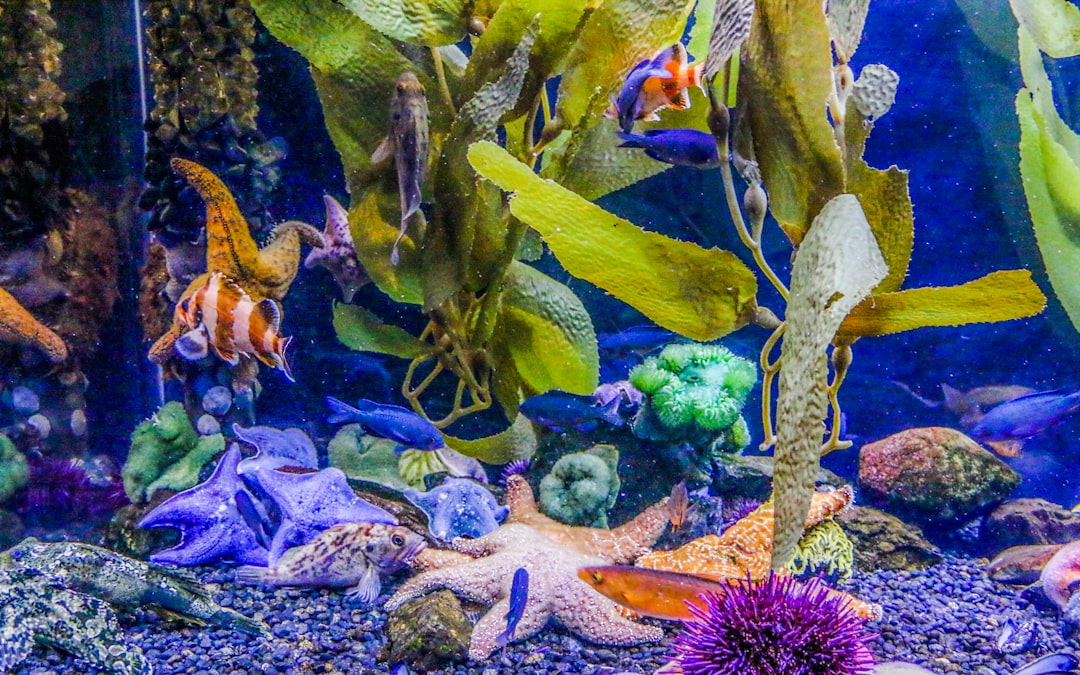
A good aquarium weekly maintenance checklist is the backbone of a healthy, algae-free aquarium. The best part is that it does not need to be time-consuming — a well-organised routine takes just 15 minutes once you have it down. At Gensou Aquascaping at 5 Everton Park, we encourage every customer to adopt a consistent weekly schedule, because regular small efforts prevent the large problems that lead to frustration and livestock losses. This guide sits inside our broader Freshwater Aquarium Complete Beginner Hub reference.
Why Weekly Maintenance Matters
Aquariums are closed systems. Waste accumulates, nutrients deplete and water chemistry drifts over time. Weekly maintenance resets these parameters, keeping conditions stable for fish, shrimp and plants. Skipping maintenance for two or three weeks might not cause immediate disaster, but it creates the kind of gradual decline that is difficult to reverse once it reaches a tipping point.
Consistency is more valuable than perfection. A quick 15-minute routine performed every week outperforms an hour-long deep clean done sporadically.
Step One: Visual Inspection (2 Minutes)
Before touching anything, observe your tank. Count your fish and note their behaviour. Are they swimming normally? Eating well? Any signs of disease such as white spots, clamped fins or unusual lethargy? Check the equipment — is the filter running smoothly, the heater or chiller operating, the CO2 bubble counter active?
Look at the plants. Are there any yellowing leaves to remove? Is algae appearing on the glass or hardscape? A quick visual check catches problems early when they are easiest to address.
Step Two: Glass Cleaning (2 Minutes)
Use an algae scraper or magnetic glass cleaner to wipe the interior glass. Even if the glass looks clear, a weekly wipe prevents biofilm and algae from building up to the point where it becomes a scrubbing job. Work from top to bottom so dislodged material settles to the substrate for removal during the water change.
For acrylic tanks, use a soft pad specifically designed for acrylic to avoid scratching. Glass tanks can tolerate a razor blade scraper for stubborn spots of green spot algae.
Step Three: Water Change (8 Minutes)
Perform a 25 to 30 per cent water change. Use a gravel vacuum to siphon water from the tank while simultaneously removing debris from the substrate surface. In planted tanks with aquasoil, hover the vacuum above the substrate rather than pushing it in to avoid disturbing the soil structure.
Refill with dechlorinated water matched to the tank’s temperature. In Singapore, tap water is generally around 27 to 29 degrees Celsius, which is close to most tropical tank temperatures. If you use RO water, remineralise it to your target GH and TDS before adding it to the tank.
For shrimp tanks, limit the water change to 10 to 20 per cent to minimise parameter swings. Add the new water slowly — dripping it in over 10 to 15 minutes is ideal for sensitive Caridina species.
Step Four: Plant Maintenance (2 Minutes)
Remove any dead or dying leaves with a pair of aquascaping tweezers. Trim stem plants that have grown too tall or are shading lower plants. Replant healthy trimmings if you want to fill gaps, or set them aside for friends or trading.
If you dose liquid fertilisers, add them after the water change so the fresh water receives the full benefit. Follow your dosing schedule — most all-in-one fertilisers are dosed two to three times per week, with the post-water-change dose being the most important.
Step Five: Equipment Check (1 Minute)
Confirm that the filter outflow is strong and unobstructed. Rinse the filter intake sponge if it is visibly clogged — this takes seconds and maintains flow rate. Check the CO2 drop checker colour if applicable; it should be green during the photoperiod.
Verify that the heater or chiller is maintaining the correct temperature. In Singapore, a clip-on fan may need its blades wiped down monthly to maintain cooling efficiency. Ensure all cables and plugs are dry and secure.
Monthly Additions to the Routine
Once a month, add a few extra steps to your weekly routine. Rinse the filter media in a bucket of old tank water to remove accumulated sludge without killing beneficial bacteria. Test your water parameters — pH, GH, KH, ammonia, nitrite and nitrate — and record the results in a log.
Clean the exterior glass and the light fixture with a damp cloth. Dust and calcium deposits on the glass reduce light transmission, and salt creep on the fixture can affect performance over time.
Tools That Make Maintenance Easier
A quality gravel vacuum with an adjustable flow valve saves time and reduces mess. Long aquascaping tweezers and scissors allow you to trim plants without getting your arms wet. A magnetic glass cleaner that stays in the tank means you can wipe the glass in seconds without any setup.
Keep all your maintenance tools in a dedicated bucket or caddy so everything is at hand when you start. The less friction there is in the process, the more likely you are to stick with the routine.
Make It a Habit
Pick the same day and time each week for your maintenance routine. Many hobbyists in Singapore tie it to their weekend morning — a cup of coffee and 15 minutes of tank care becomes a relaxing ritual rather than a chore. For supplies, tools and personalised maintenance advice, visit Gensou Aquascaping. We are always happy to help you streamline your routine for a healthier, more enjoyable aquarium.
Related Reading
- Aquarium Maintenance Schedule: Daily, Weekly and Monthly Tasks
- Aquarium Moving Day Checklist: Step-by-Step for Singapore
- Best Low-Maintenance Aquarium Fish for Busy People
- Your First Aquarium Checklist for Singapore: What to Buy
- How to Start an Aquarium Maintenance Business in Singapore
Routine upkeep is one thing, but relocating a tank is another job entirely, which is why we put together an aquarium moving checklist for Singapore hobbyists.