
Aquarium Oxygenation Guide: Signs, Solutions and Science
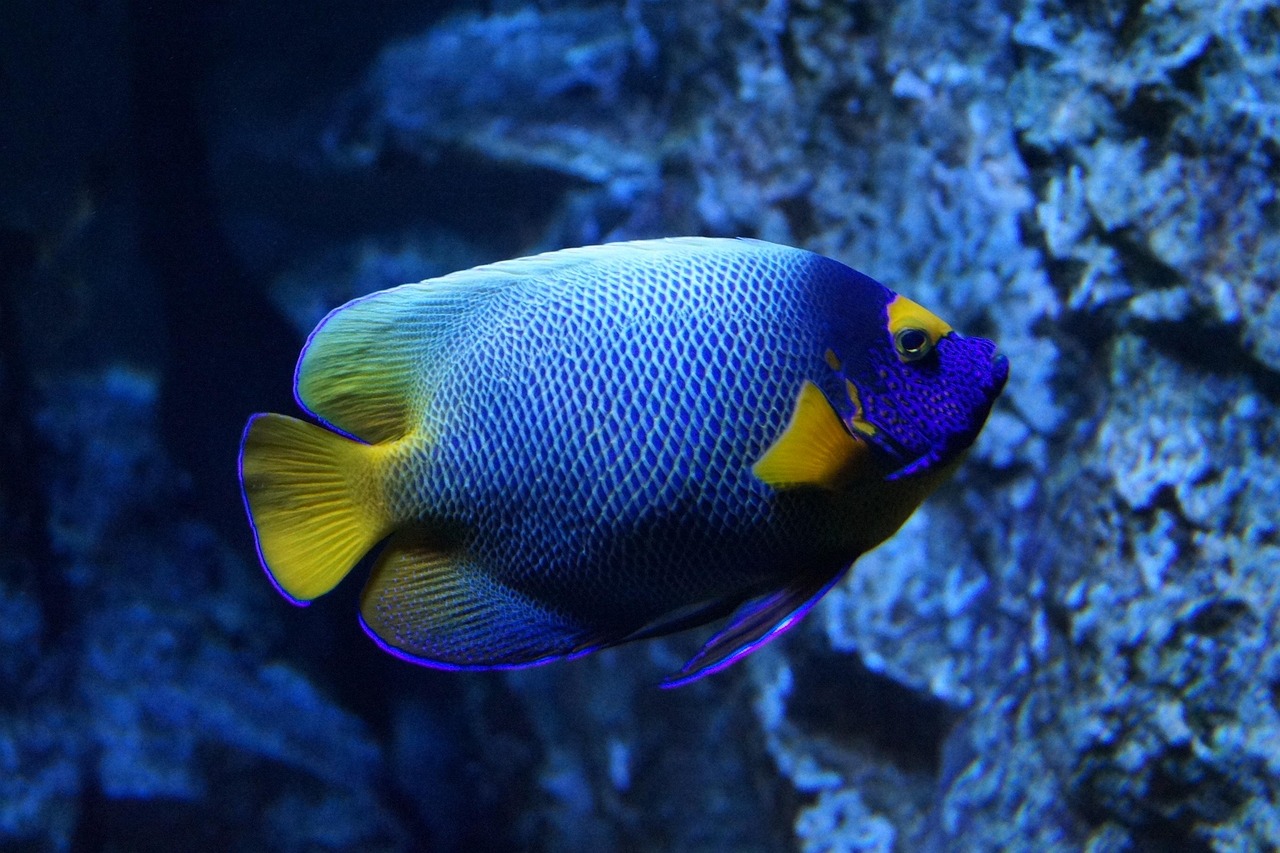
This aquarium oxygenation guide explains how dissolved oxygen works in your aquarium, how to recognise when levels are dangerously low, and what you can do to ensure your fish, shrimp and plants always have enough. Oxygen is the most critical dissolved gas in any aquarium, yet it is invisible, odourless and frequently overlooked until a crisis occurs. At Gensou Aquascaping at 5 Everton Park, we help hobbyists understand the science behind oxygenation and implement practical solutions for Singapore’s warm climate.
How Oxygen Enters Aquarium Water
Contrary to popular belief, most dissolved oxygen in an aquarium does not come from air stones or plant photosynthesis. The primary source is gas exchange at the water surface, where atmospheric oxygen diffuses into the water and carbon dioxide escapes. The rate of this exchange depends on surface area, surface agitation and the concentration gradient between the water and the atmosphere. Aquarium plants do produce oxygen during photosynthesis, but they also consume it at night through respiration. Air stones and bubblers work not because the bubbles themselves add significant oxygen, but because they drive water circulation and surface agitation.
Factors That Reduce Oxygen Levels
Several factors common in Singapore aquariums can suppress dissolved oxygen. Temperature is the most significant. Warm water holds less dissolved oxygen than cool water, and at 28 to 30 degrees Celsius, tropical tanks are already operating near the lower end of oxygen capacity. Overstocking increases oxygen demand while also raising ammonia, which further stresses fish. Organic waste decomposition by bacteria consumes oxygen, as does the nighttime respiration of densely planted tanks. Poor surface agitation, caused by still water or a thick layer of floating plants, restricts the gas exchange that replenishes dissolved oxygen.
Signs of Low Oxygen
Fish gasping at the water surface is the most recognisable sign of critically low dissolved oxygen. They position themselves at the surface because the topmost layer of water contains the highest oxygen concentration. Other symptoms include rapid gill movement, lethargy, loss of appetite and fish congregating near filter outflows where water movement is greatest. Shrimp may climb to the waterline or become unusually inactive. In severe cases, fish and invertebrates die suddenly, often overnight when oxygen levels naturally dip due to plant respiration and the absence of photosynthesis.
Measuring Dissolved Oxygen
Dissolved oxygen test kits and electronic meters are available but less commonly used than pH or ammonia tests. Healthy aquariums should maintain dissolved oxygen levels above 5 milligrams per litre, with 6 to 8 mg/L being ideal. Below 4 mg/L, many tropical fish begin showing stress, and below 2 mg/L is lethal for most species. If you do not own a dissolved oxygen meter, monitoring fish behaviour provides a practical proxy. If your fish are active, feeding normally and not gasping at the surface, oxygen levels are likely adequate.
Increasing Surface Agitation
The most effective way to boost oxygenation is to increase surface agitation. Adjust your filter outflow so it breaks the water surface, creating visible ripples or a gentle cascade. A hang-on-back filter, spray bar or lily pipe angled slightly upward all achieve this effectively. Avoid completely still water surfaces, which form a stagnant boundary layer that slows gas exchange. In planted tanks running CO2 injection, there is a trade-off, as surface agitation also drives off CO2. The solution is to optimise CO2 delivery efficiency through inline diffusers or reactor chambers while maintaining enough surface movement for adequate oxygenation.
Aeration Methods
Air pumps connected to air stones or sponge filters provide reliable aeration, particularly useful as a nighttime safety measure in heavily planted tanks. Running an air stone on a timer during lights-off hours maintains oxygen levels when plant respiration peaks and photosynthetic oxygen production ceases. Powerheads and wavemakers create water circulation that carries oxygen-depleted water from the lower tank to the surface for gas exchange. In outdoor or pond setups, surface fountains and waterfalls serve the same purpose. Choose the method that fits your tank aesthetics and stocking requirements.
Oxygenation in Planted Tanks with CO2
Planted tanks that inject CO2 face a unique balancing act. CO2 supplementation is essential for strong plant growth, but excessive surface agitation, which would maximise oxygenation, drives off the injected CO2 and wastes it. The practical approach is to run CO2 only during the photoperiod, when plants actively photosynthesise and produce oxygen as a byproduct. During lights-off, switch on an air pump via a timer to aerate the tank and prevent overnight oxygen crashes. This dual system ensures both CO2 efficiency during the day and adequate oxygenation at night.
Keeping Your Tank Breathing
Oxygenation is one of those fundamentals that gets taken for granted until something goes wrong. In Singapore’s warm climate, where water temperatures naturally reduce oxygen-holding capacity, proactive aeration is especially important. Maintain surface agitation, avoid overstocking, keep organic waste under control and consider a timed air pump for planted CO2 tanks. These simple measures prevent the sudden overnight crashes that claim fish and shrimp without warning. Visit Gensou Aquascaping for advice on optimising your tank’s oxygenation and to browse our range of aeration equipment.
Related Reading



