
Aquarium Medications Safe for Plants: What to Use and Avoid
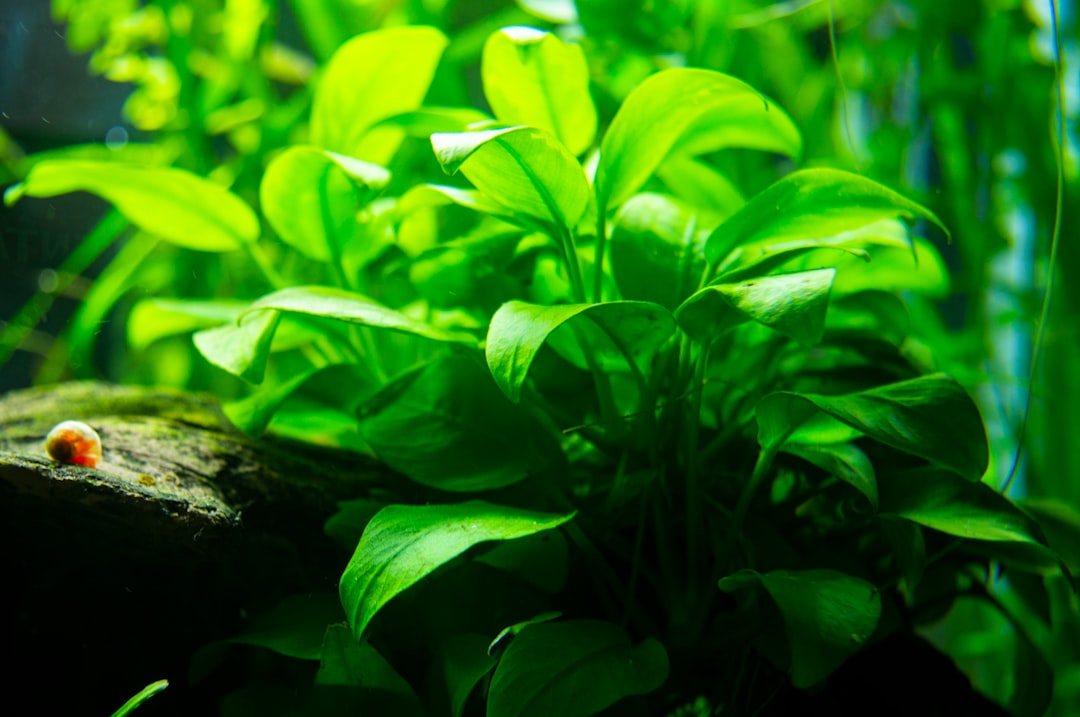
Finding the right aquarium medication safe plants guide can save you from accidentally wiping out months of careful growth. Many hobbyists in Singapore discover the hard way that treating sick fish sometimes means sacrificing healthy plants. At Gensou Aquascaping, located at 5 Everton Park, we help fishkeepers navigate medication choices that protect both livestock and flora.
Why Some Medications Harm Aquarium Plants
Most aquarium medications are designed to kill pathogens, parasites or bacteria. Unfortunately, these compounds do not always distinguish between harmful organisms and beneficial plant cells. Copper-based treatments, for instance, disrupt photosynthesis by interfering with chloroplast function. Antibiotics can destroy the beneficial bacteria colonies that convert ammonia into nitrates, starving plants of their primary nitrogen source. Understanding these mechanisms is the first step toward making informed treatment decisions.
Medications Generally Safe for Live Plants
Several widely available treatments pose minimal risk to aquatic plants when used at recommended doses. Methylene blue at standard concentrations is tolerated by most hardy species, though sensitive plants like Riccia may show slight bleaching. Praziquantel-based dewormers such as PraziPro target flatworms without affecting plant tissue. Salt treatments at low doses (1 teaspoon per 20 litres) are generally safe for short durations. Formalin at recommended concentrations is another option that leaves most plants unharmed, though prolonged exposure should be avoided.
Products containing erythromycin, often used for cyanobacteria, are plant-safe at standard doses. Levamisole, a popular dewormer available from local fish shops along Serangoon North, is also well tolerated by planted tanks.
Medications to Avoid in Planted Tanks
Copper sulphate and copper-based ich treatments are the biggest offenders. Even small concentrations can cause melting in sensitive species like Rotala and Pogostemon. Malachite green, while effective against white spot, is known to damage delicate mosses and stem plants. Avoid any product containing acriflavine at high doses, as it inhibits photosynthesis directly.
Antibiotic cocktails that combine multiple broad-spectrum agents can crash your biological filter, leading to ammonia spikes that burn plant roots. If you must use these, be prepared for a mini-cycle afterwards.
How to Treat Fish Without Harming Plants
The safest approach is to set up a separate hospital tank. A simple 30-litre container with a sponge filter and heater costs under SGD 50 and gives you freedom to dose any medication without worry. Move the affected fish into the hospital tank, treat them there, and return them once healthy.
If a hospital tank is not feasible, consider removing sensitive plants temporarily. Place them in a bucket with tank water and a clip-on light. Most plants survive several days this way. You can then treat the main tank and perform water changes before reintroducing the plants.
Dosing Tips for Planted Aquariums
Always start with the lower end of the recommended dosage range when treating a planted tank. Activated carbon in your filter will absorb medication, so remove it before dosing. After treatment, add fresh carbon to strip residual chemicals from the water column. Increase surface agitation during treatment, as some medications reduce dissolved oxygen levels that plants need.
Keep your lights on a normal schedule during treatment. Turning off lights weakens plants and makes them more susceptible to medication damage. Monitor your CO2 levels if you run injection, as stressed plants may pearl less and accumulate gas differently.
Common Diseases and Plant-Safe Treatment Options
For ich (white spot disease), heat treatment combined with salt is the gentlest option for planted tanks. Raise the temperature to 30 degrees Celsius over 48 hours and add aquarium salt at 2 grams per litre. Most tropical plants tolerate this well, though Vallisneria may show some dieback.
For bacterial infections, kanamycin is generally safer for plants than erythromycin blends. Fungal issues respond well to Pimafix, a natural remedy derived from Pimenta racemosa that does not harm plant tissue. Internal parasites are best treated with praziquantel or levamisole, both of which are plant-friendly.
Recovering Your Planted Tank After Medication
After completing a treatment course, perform a 50 per cent water change and add fresh activated carbon. Dose a comprehensive fertiliser to replenish any micronutrients depleted during treatment. Watch for signs of filter crash, including cloudy water and ammonia readings above zero. If this occurs, dose beneficial bacteria products and reduce feeding.
Plants may take one to two weeks to bounce back from medication exposure. Trim any melted or damaged leaves to encourage new growth. Resume your normal fertilisation and CO2 schedule immediately.
Where to Find Plant-Safe Medications in Singapore
Most local fish shops along Serangoon North Avenue 1 and Clementi stock a range of aquarium medications. Online retailers like Shopee and Lazada carry brands such as Seachem, API and Hikari. Expect to pay between SGD 8 and SGD 25 for most treatments. For personalised advice on medicating a planted aquarium, visit us at Gensou Aquascaping, 5 Everton Park, where our team can recommend the safest options for your specific setup.
Related Reading
- Boron Deficiency in Aquarium Plants: Twisted Tips and Stunted Growth
- Calcium Deficiency in Aquarium Plants: Twisted New Growth
- Magnesium Deficiency in Aquarium Plants: Symptoms and Solutions
- Manganese Deficiency in Aquarium Plants: Pale Patches Between Veins
- Sulphur Deficiency in Aquarium Plants: Uniform Yellowing Explained



