
How to Fix Stunted Aquarium Plant Growth
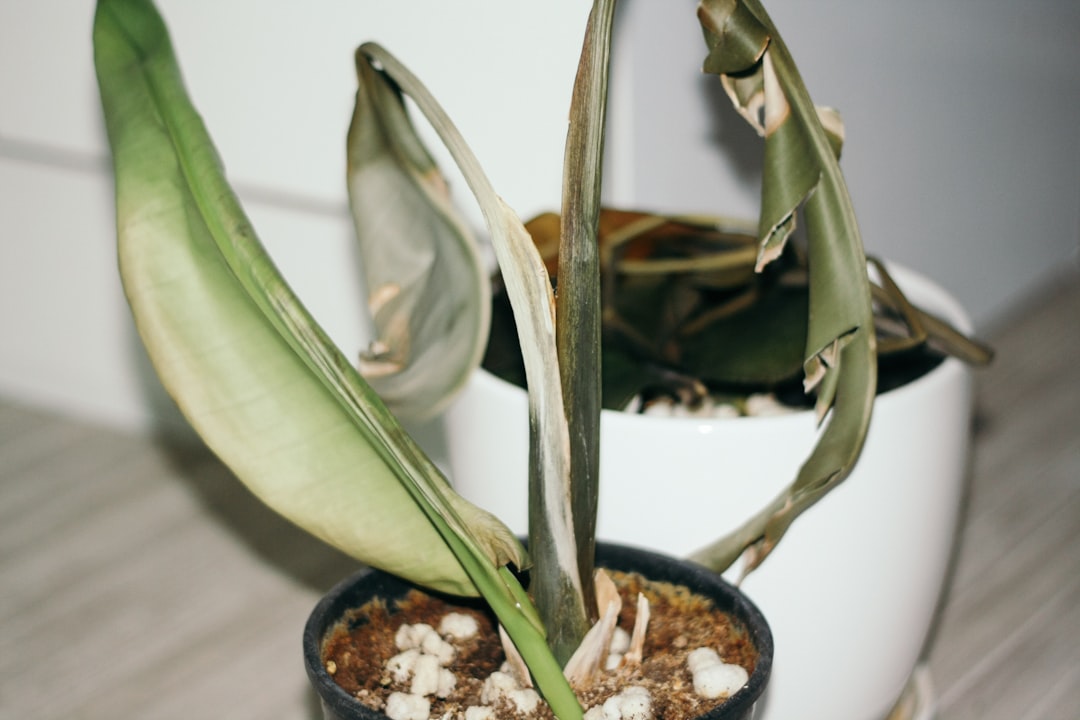
If your aquatic plants have stopped growing or are producing tiny, deformed leaves, you need to fix stunted aquarium plant growth before the problem compounds. Stunted growth is one of the most common complaints we hear at Gensou Aquascaping, 5 Everton Park, and the good news is that most causes are straightforward to diagnose and correct.
Recognising the Signs of Stunted Growth
Stunted growth manifests differently across species. Stem plants may produce progressively smaller leaves toward the top, giving them a pinched appearance. Rosette plants like Cryptocoryne develop curled or cupped leaves that fail to reach normal size. Carpeting plants such as Monte Carlo spread painfully slowly or stop lateral growth altogether. If your plants looked healthy at purchase but have declined over weeks, stunting is the likely culprit rather than natural die-off.
Nutrient Deficiencies That Cause Stunting
The most common cause of stunted growth is insufficient macronutrients, particularly nitrogen, phosphorus and potassium. In Singapore’s soft tap water, these elements deplete quickly in heavily planted tanks. A nitrogen deficiency shows as yellowing older leaves and reduced growth rates. Phosphorus shortage causes dark, stunted new growth. Potassium deficiency leads to pinholes and weak stems.
Micronutrient shortages are equally damaging. Iron deficiency produces pale new leaves, while manganese and boron shortages cause twisted or deformed growth tips. A comprehensive liquid fertiliser dosed two to three times weekly resolves most deficiency issues. Budget around SGD 15 to SGD 30 monthly for quality fertilisers from brands like Tropica or APT.
Lighting Problems and Solutions
Insufficient light is the second major cause of stunting. Plants cannot photosynthesise effectively below certain thresholds, and growth simply stalls. For low-tech tanks, aim for 20 to 30 lumens per litre. High-tech setups with CO2 injection benefit from 40 to 60 lumens per litre. Singapore hobbyists often underestimate how quickly LED output degrades; replace ageing units every two to three years.
Conversely, excessive light without matching CO2 and nutrients causes a different kind of stunting. Plants cannot utilise the available light, stress responses kick in, and growth becomes compact and deformed. Balance is everything.
CO2 Levels and Their Impact on Growth
In high-tech planted tanks, inadequate CO2 is a frequent stunting trigger. Aim for a consistent 30 parts per million during the photoperiod. Fluctuating CO2 levels stress plants more than consistently low levels do, so invest in a quality regulator and solenoid. A full CO2 setup in Singapore runs between SGD 150 and SGD 300, depending on the cylinder size and regulator brand.
Even in low-tech tanks, carbon supplementation helps. Liquid carbon products provide a modest boost and cost around SGD 10 to SGD 20 per bottle. Dose daily at the recommended rate for best results.
Substrate Issues That Limit Root Growth
Root-feeding plants like Echinodorus and Cryptocoryne require nutrient-rich substrates. If you planted them in inert gravel without root tabs, stunting is almost guaranteed after the first few months. Insert root tabs every eight to twelve weeks, spacing them roughly 10 centimetres apart. Quality aquasoils like ADA Amazonia or Tropica Soil provide nutrients for six to twelve months before requiring supplementation.
Compacted substrates restrict root development. If your substrate has been undisturbed for over a year, consider gently loosening the top layer with tweezers during water changes. This improves water circulation around the roots and helps nutrient uptake.
Water Parameters to Check
Singapore tap water typically has a pH around 7.0 to 7.5 and is moderately soft. Most aquarium plants prefer slightly acidic conditions between pH 6.0 and 7.0 for optimal nutrient absorption. If your pH is above 7.5, certain nutrients become less bioavailable, leading to deficiency symptoms even when they are technically present in the water.
Temperature also matters. Singapore’s ambient temperature often pushes unheated tanks above 30 degrees Celsius, which accelerates plant metabolism without a corresponding increase in available nutrients. A clip-on fan costing SGD 15 to SGD 40 can lower water temperature by two to four degrees, bringing it into a more comfortable range for most aquatic plants.
Step-by-Step Recovery Plan
Start by testing your water for ammonia, nitrite, nitrate, phosphate and pH. Identify any parameters that are out of range. Next, evaluate your lighting duration and intensity, ensuring at least eight hours of adequate light daily. Begin dosing a comprehensive fertiliser if you have not been doing so. For high-tech tanks, verify CO2 levels with a drop checker.
Trim any severely stunted or damaged growth to redirect the plant’s energy toward healthy new leaves. Be patient; most plants take two to four weeks to show improvement after corrections are made. Document your changes and adjust one variable at a time so you can identify what works.
When to Seek Expert Help
If you have addressed lighting, nutrients, CO2 and water parameters but growth remains stunted after a month, the issue may be more complex. Allelopathy from certain plant species, contaminated substrates or hidden pests like planaria can all contribute. Visit us at Gensou Aquascaping, 5 Everton Park, for a hands-on consultation. We can review photographs of your setup or examine plant samples to pinpoint the problem and recommend a targeted fix.
Related Reading



