
Best Acrylic Aquarium Repair Kits
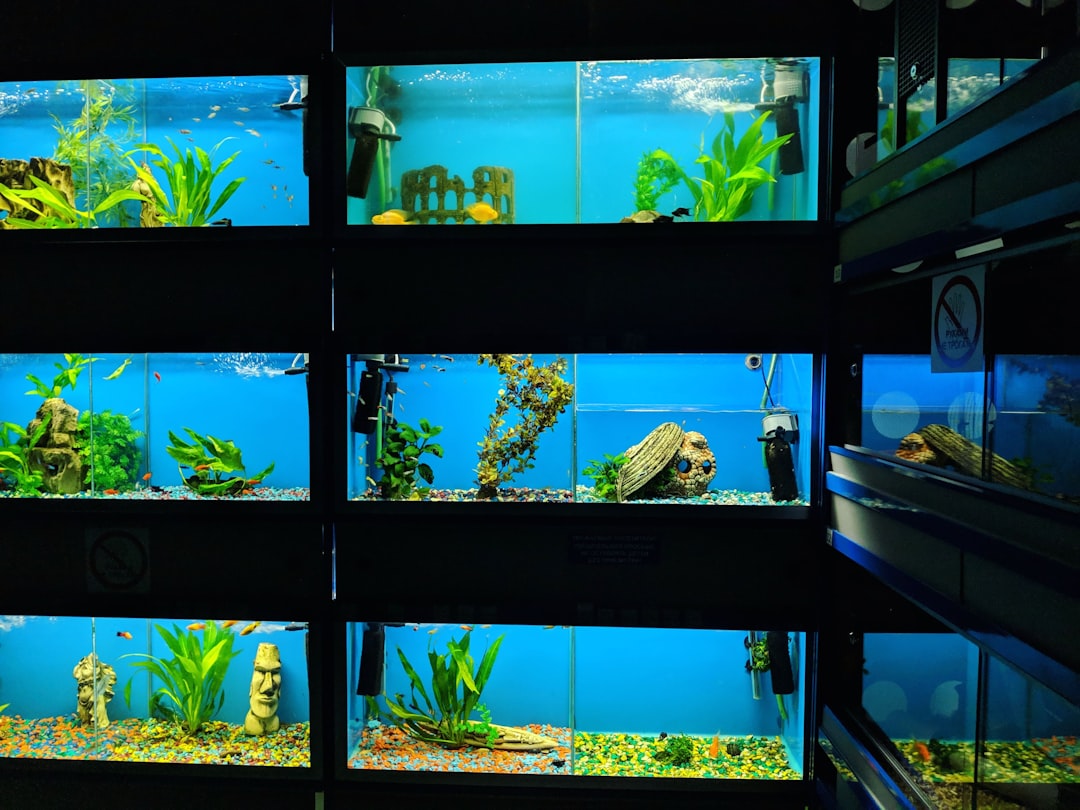
Owning an acrylic tank means eventually dealing with scratches or minor cracks, which is why having the best acrylic repair kit aquarium hobbyists can rely on is so important. At Gensou Aquascaping, located at 5 Everton Park in Singapore, we have restored numerous acrylic panels over the years and can guide you through the best products and techniques available.
Why Acrylic Tanks Need Special Care
Acrylic is significantly softer than glass, which gives it excellent clarity and impact resistance but also makes it prone to surface scratches. Even routine cleaning with the wrong tool can leave visible marks. In Singapore, where many hobbyists keep their tanks in living rooms with direct sightlines, every scratch detracts from the viewing experience. A good repair kit allows you to restore optical clarity without replacing the entire panel.
What a Quality Repair Kit Includes
A comprehensive acrylic repair kit typically contains multiple grades of micro-mesh sanding pads, a polishing compound, a buffing pad or cloth, and sometimes a solvent cement for crack repair. The sanding pads progress from coarse grits around 1500 to ultra-fine grits of 12000, gradually smoothing the scratch until the surface is optically clear again. The polishing compound provides the final finish.
Some kits also include a plastic welding solvent such as Weld-On 4 or Weld-On 16, which chemically bonds acrylic pieces together. This is essential for repairing hairline cracks that could eventually leak. Solvent cement works by dissolving the acrylic surfaces slightly, fusing them into a single piece as the solvent evaporates.
Top Acrylic Repair Kits to Consider
The Novus Plastic Polish Kit is a widely trusted three-step system. Novus 1 cleans, Novus 2 removes fine scratches, and Novus 3 tackles deeper scratches. A complete set costs around SGD 30 to SGD 45 and is available from plastics suppliers in Singapore or online through Shopee and Lazada. For deeper damage, pair the Novus system with Micro-Mesh sanding pads, which cost approximately SGD 15 to SGD 25 for a multi-grit set.
The Plaskolite Scratch Removal Kit is another solid option, bundling sanding pads with a polishing cream in a single package for about SGD 35 to SGD 50. For crack repairs specifically, Weld-On 4 solvent cement is the industry standard, costing around SGD 15 to SGD 20 per tube at industrial adhesive suppliers.
How to Remove Scratches Step by Step
Begin by cleaning the scratched area thoroughly with a soft cloth and mild soap. Dry the surface completely. Start with the coarsest sanding pad your scratch requires; for light scratches, begin at 3200 grit, while deeper gouges may need 1500 grit. Sand in a circular motion with light, even pressure, keeping the pad wet to prevent heat buildup.
Progress through each grit level, spending roughly two minutes per grade. After reaching the finest grit, apply polishing compound with a soft cloth or buffing pad, again using circular motions. The surface should gradually return to full clarity. If a haze remains, repeat the final two polishing steps. The entire process for a small scratch takes about 15 to 20 minutes.
Repairing Cracks in Acrylic Tanks
Cracks are more serious than scratches and should be addressed immediately to prevent leaks. First, drain the tank to below the crack level. Clean the crack thoroughly and ensure the surfaces are dry. Apply Weld-On 4 using a syringe applicator, allowing capillary action to draw the solvent into the crack. Clamp the panels gently if they have separated.
Allow the repair to cure for at least 24 hours before refilling. For structural cracks longer than a few centimetres, consider reinforcing the repair with an acrylic strip bonded over the crack using Weld-On 16, a thicker cement that fills gaps. If the crack is near a seam or spans a large area, professional help may be the safer option.
Preventing Future Damage
Use only acrylic-safe cleaning tools. Magnetic cleaners designed for acrylic have softer pads that will not scratch the surface. Never use razor blade scrapers, metal algae scrapers, or abrasive scouring pads on acrylic. When moving hardscape inside the tank, lift stones and wood rather than dragging them across the panels.
In Singapore’s environment, dust and fine sand particles are common culprits. Always rinse your cleaning pads in tank water before each use to dislodge any trapped grit. Store cleaning tools in a sealed container to prevent contamination between uses.
When to Replace Rather Than Repair
If an acrylic panel has extensive crazing, multiple deep cracks, or has yellowed significantly with age, repair may not be worthwhile. Yellowing is caused by prolonged UV exposure and cannot be fully reversed with polishing. In such cases, having a new panel fabricated by a local acrylic supplier is often more cost-effective. Custom-cut acrylic panels in Singapore typically cost SGD 40 to SGD 100 depending on thickness and dimensions.
Gensou Aquascaping’s Final Advice
A quality acrylic repair kit is an essential item in any acrylic tank owner’s toolkit. The Novus three-step system combined with Micro-Mesh sanding pads covers the vast majority of scratch repairs, while Weld-On solvent cement handles structural cracks. Invest in prevention by using only acrylic-safe cleaning tools, and address scratches early before they accumulate. For complex repairs or professional restoration, visit Gensou Aquascaping at 5 Everton Park and let our team help you bring your acrylic tank back to pristine condition.
Related Reading



