Best Ammonia Alert Badges and Monitors for Aquariums
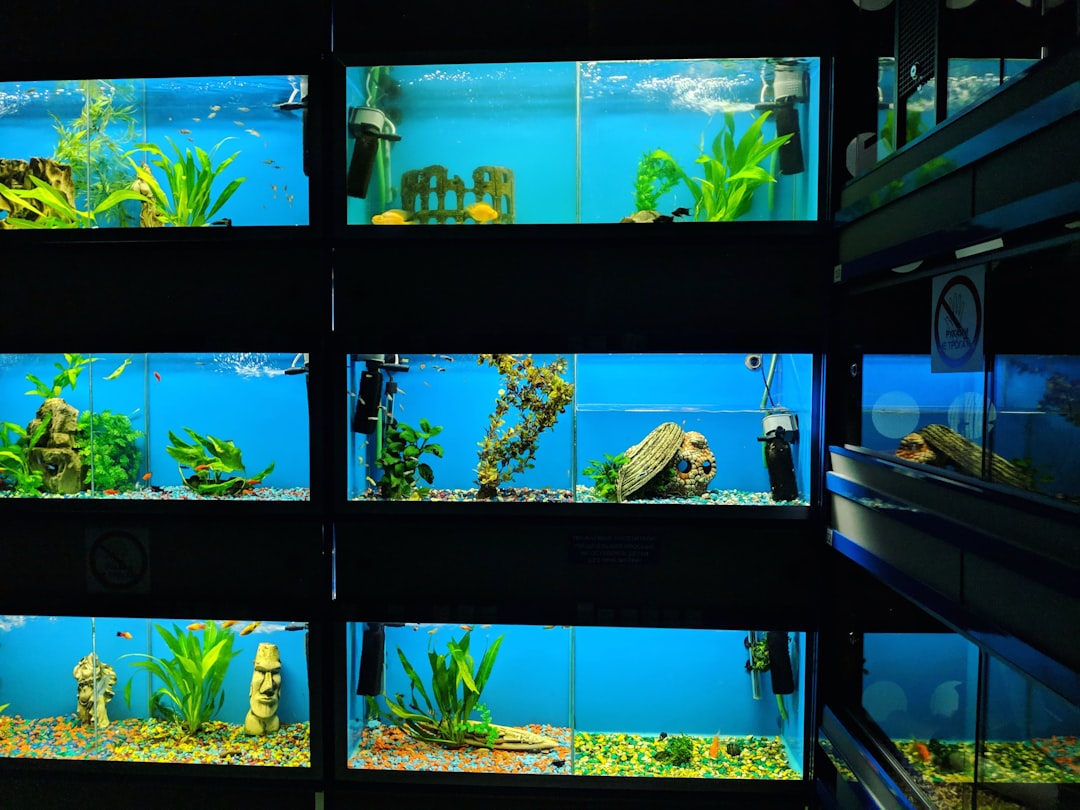
Choosing the best ammonia alert badge aquarium keepers can trust gives you a continuous early warning system against one of the most dangerous toxins in a fish tank. At Gensou Aquascaping at 5 Everton Park, Singapore, we use ammonia monitors in every quarantine and newly cycled tank because even brief exposure to elevated ammonia can damage fish gills and lead to fatalities.
How Ammonia Alert Badges Work
Ammonia alert badges are sensor discs that you stick inside your aquarium, usually on the glass above the waterline or submerged just below the surface depending on the brand. They contain a chemical indicator that changes colour in response to free ammonia (NH3) dissolved in the water. Unlike liquid test kits that measure total ammonia nitrogen, these badges specifically detect the toxic free ammonia form. The colour shift is visible at a glance, making them ideal for round-the-clock monitoring without any mixing of reagents.
Seachem Ammonia Alert
The Seachem Ammonia Alert is the most widely recognised badge on the market. It uses a colour-changing sensor disc housed in a small plastic frame that adheres to the inside glass of your tank. The disc reads free ammonia continuously and displays a colour ranging from yellow (safe) through green to blue (toxic). Each badge lasts roughly one year before the sensor needs replacing. In Singapore, it retails for around SGD 12 to SGD 18 at most local fish shops and is stocked by major online retailers on Shopee. We find it particularly useful during the nitrogen cycle of a new aquascape when ammonia levels can spike unpredictably.
Seneye Aquarium Monitor
For hobbyists who want digital precision, the Seneye range offers USB-connected monitors that track ammonia, pH and temperature simultaneously. The Seneye Home model sits inside the tank and connects to a computer or optional web server module for remote alerts. It reads free ammonia down to 0.005 ppm, far more sensitive than any colour-based badge. The unit itself costs around SGD 120 to SGD 160, with replacement slide packs needed monthly at roughly SGD 25 each. While the ongoing cost is higher, the ability to receive email or app notifications when ammonia rises makes it invaluable for high-value livestock like discus or expensive shrimp colonies.
Liquid Test Kits as a Backup
No ammonia badge should entirely replace a quality liquid test kit. The API Ammonia Test Kit and Salifert Ammonia Test Kit both measure total ammonia nitrogen accurately and are useful for confirming what your badge is indicating. Keep in mind that total ammonia nitrogen includes both the toxic free ammonia and the less harmful ammonium ion. The ratio between the two depends on pH and temperature. In Singapore’s warm climate where tank temperatures often sit at 28-30 degrees Celsius, a higher proportion of total ammonia exists in the toxic free form, making continuous monitoring even more important.
Placement and Maintenance Tips
Position your ammonia badge in an area with good water flow so it gets a representative reading of your tank conditions. Avoid placing it directly behind filter outlets where localised dilution might give a falsely low reading. Clean the badge surface gently during water changes to prevent algae from obscuring the colour indicator. If you use Seachem Prime or similar dechlorinators that bind ammonia temporarily, note that the badge may still show a colour change because bound ammonia can revert to free ammonia as the binding wears off. This is normal and not a cause for alarm if you have dosed correctly.
When Ammonia Monitoring Matters Most
Three scenarios demand close ammonia monitoring. First, cycling a new tank where beneficial bacteria have not yet established. Second, after adding a significant number of new fish that increase the bioload beyond what your filter can immediately handle. Third, during power outages, which are rare in Singapore but can occur during severe thunderstorms, when filter bacteria may die off from lack of oxygen flow. Having a badge in place during these critical periods lets you respond with water changes or chemical binders before damage occurs.
Where to Buy in Singapore
Seachem Ammonia Alert badges are stocked at most aquarium shops across the island, from the Clementi pet corridor to East Coast neighbourhood stores. The Seneye range is less commonly found on local shelves but can be ordered through regional distributors or international platforms. Prices are generally stable year-round, though sale events on Lazada and Shopee occasionally offer bundles that include replacement sensors at a discount.
Our Recommendation
For most freshwater aquascapers, the Seachem Ammonia Alert badge offers reliable continuous monitoring at a low cost. Pair it with a liquid test kit for periodic confirmation and you have a robust safety net. If you keep high-value livestock or manage multiple tanks remotely, the Seneye system justifies its higher price with digital alerts and data logging. Visit us at Gensou Aquascaping at 5 Everton Park to see these monitors in action and get advice on ammonia management for your specific setup.
Related Reading