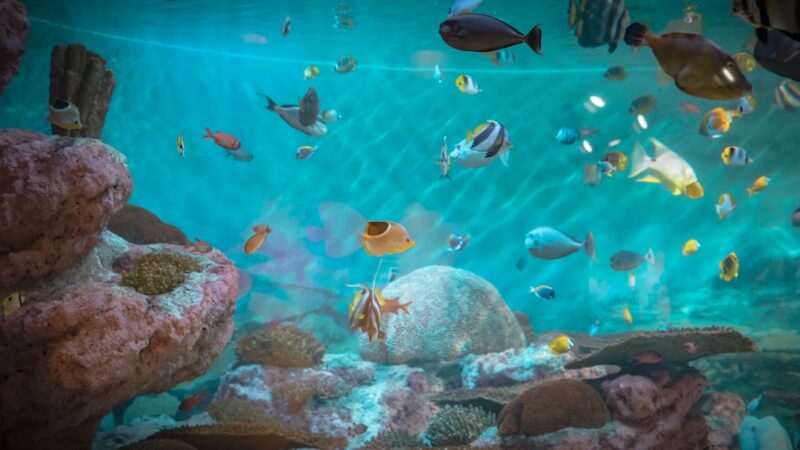
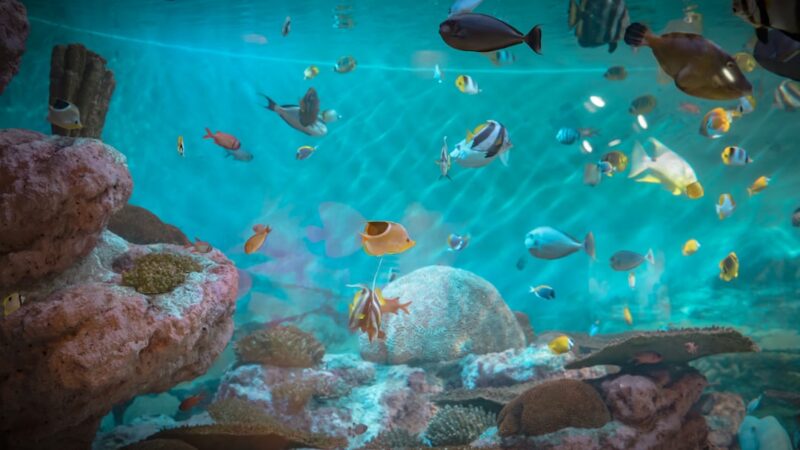
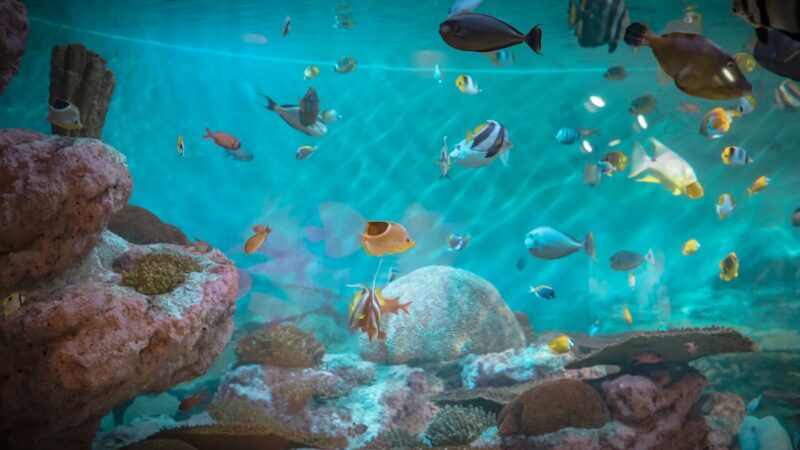
Aquarium for a Zen Meditation Room: Calm by Design
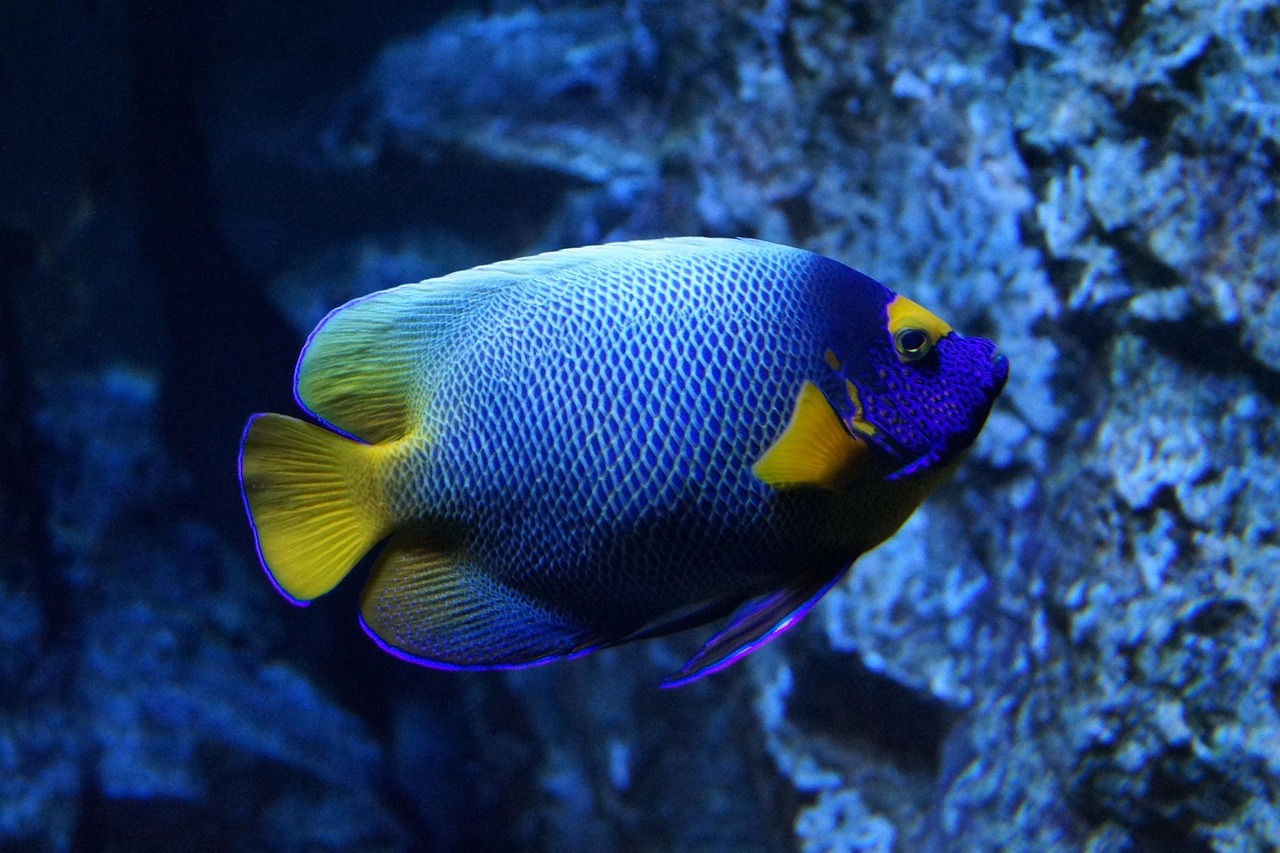
Creating an aquarium zen meditation room guide helps you design an underwater landscape that actively supports mindfulness and relaxation rather than merely decorating a space. The gentle movement of fish, the soft ripple of water and the living greenery of a well-planned aquascape engage the senses without demanding attention. At Gensou Aquascaping, based at 5 Everton Park in Singapore, we specialise in creating tranquil aquatic displays that complement meditation and wellness spaces.
Why Aquariums Enhance Meditation
Research from institutions including the National Marine Aquarium in the United Kingdom has shown that watching fish reduces heart rate, lowers blood pressure and decreases anxiety. The rhythmic, unpredictable movement of fish occupies the visual system just enough to quiet the internal monologue—a state psychologists call soft fascination. Unlike a television or digital screen, an aquarium produces no flicker, no notifications and no demands. It is a living, breathing focal point that invites present-moment awareness, making it an ideal addition to any room dedicated to meditation, yoga or quiet reflection.
Tank Selection for a Zen Aesthetic
Choose a rimless, low-iron glass tank for the clearest possible view. Low-iron glass eliminates the green tint found in standard aquarium glass, producing a crystal-clear window into the aquascape. A tank of 45–90 litres provides enough volume for a meaningful layout without dominating the room. Long, shallow tanks (60 cm length, 30 cm height) suit minimalist interiors and create a panoramic, landscape-like composition. Position the tank at seated eye level—approximately 40–50 cm from the floor if you meditate on a cushion, or 70–80 cm if you use a chair. The water surface should be just below your natural line of sight.
Aquascaping for Serenity
A zen aquascape favours simplicity, negative space and natural materials. The Iwagumi style—originating from Japanese rock garden principles—is a natural fit, using carefully placed stones as the primary hardscape with a carpet of low-growing plants. Limit yourself to one or two plant species: dwarf hairgrass, Monte Carlo or Eleocharis create a soothing green carpet. Alternatively, a wabi-kusa or moss-covered driftwood layout provides organic, forest-like tranquillity without the precision of Iwagumi. Avoid busy, multicoloured plantings or elaborate decorations. The goal is a composition that feels inevitable rather than contrived—like a scene discovered in nature.
Choosing Calm Fish Species
The fish you select profoundly affect the room’s atmosphere. Choose slow-moving, peaceful species with fluid fin movement. A small school of celestial pearl danios or ember tetras glides through the water like living calligraphy. Harlequin rasboras move in gentle, synchronised formation. A single betta splendens with flowing fins creates a mesmerising focal point. Amano shrimp and nerite snails add subtle activity without frantic movement. Avoid hyperactive species like zebra danios, large cichlids with territorial behaviour or anything that chases or nips. The inhabitants should embody the same stillness you seek in meditation.
Quiet Equipment Is Non-Negotiable
Noise defeats the purpose of a meditation aquarium. Invest in silent equipment. A quality canister filter like an Eheim Classic or Oase BioMaster operates almost inaudibly. Inline heaters eliminate the clicking sound of standard submersible units. If you use CO2, a quality solenoid valve should be silent—cheap ones buzz audibly. Avoid air pumps entirely; the bubbling sound, while pleasant in some contexts, can be distracting during meditation. If additional flow is needed, a small glass lily pipe creates gentle, silent surface movement. Expect to spend $200–$400 SGD on premium quiet equipment, but the investment directly serves the room’s purpose.
Lighting for Mood and Rhythm
Lighting sets the emotional tone. Choose a dimmable LED fixture with adjustable colour temperature. During meditation, reduce the light to a warm, low glow—around 3000–4000 K—that creates a soft, amber ambience reminiscent of dawn or dusk. A gradual sunrise and sunset programme, available on controllers like the Twinstar or Chihiros models sold locally, eliminates the jarring on-off transition that startles fish and disrupts calm. Blue moonlight mode in the evening transforms the tank into a contemplative night scene. Programme the light cycle to align with your meditation schedule so the tank is at its most inviting when you sit down to practise.
Maintenance Without Disruption
A meditation room aquarium should require minimal visible upkeep. Design the system for low maintenance from the start: a mature, low-tech planted tank with moderate stocking needs only a 20 per cent water change weekly. Use a long, thin siphon hose that reaches from the tank to a nearby bathroom or kitchen drain to avoid carrying buckets through the space. Schedule maintenance outside meditation hours so the room remains undisturbed. An auto top-off system using a small reservoir and a float valve keeps the water level constant between changes, eliminating the visual distraction of a receding waterline.
Integrating the Aquarium into Your Practice
Position the tank so it is visible during your seated practice without requiring you to turn your head. Some meditators focus directly on the aquarium as a point of concentration—watching a single fish or following the gentle sway of a plant. Others prefer the tank in their peripheral vision, where it provides a calming presence without becoming a distraction. Experiment with both approaches. Over time, the aquarium becomes associated with your practice, and simply glancing at it during a stressful day can trigger a relaxation response. For help designing a meditation-focused aquascape, visit Gensou Aquascaping at 5 Everton Park in Singapore—we will work with you to create a living installation that serves your wellbeing.
Related Reading
- Aquarium for Boutique Hotel Rooms: Intimate Luxury
- Aquarium for Co-Working Meeting Rooms: Focus and Creativity
- Aquarium for a Dental Clinic Waiting Room: Calming Anxious Patients
- Aquarium for Dental Surgery Waiting Rooms: Calm Anxious Patients
- Aquarium for Escape Rooms in Singapore: Immersive Atmosphere