How to Aquascape a Planted Marine Refugium
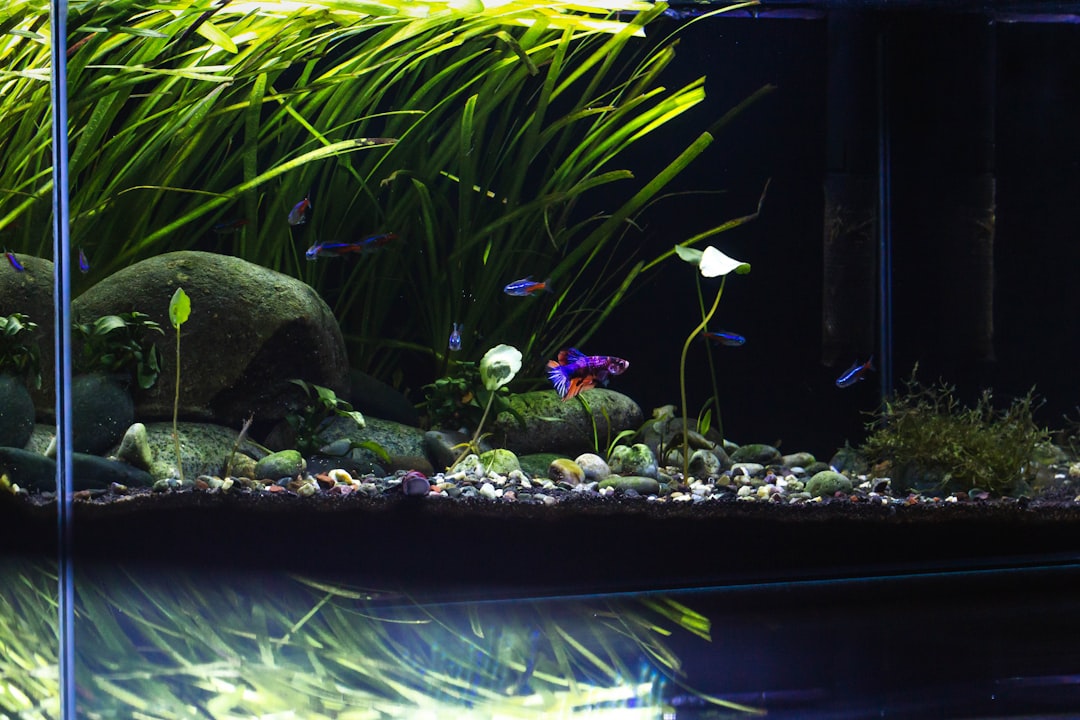
A refugium is where function meets beauty in a marine system — a dedicated compartment in your sump where macroalgae grow densely, absorbing nitrate and phosphate while producing a natural food source for your display tank. Knowing how to aquascape a planted marine refugium transforms this utilitarian space into something genuinely attractive while maximising its biological performance. At Gensou Aquascaping in Singapore, we treat refugium design with the same care as the main display, and the results speak for themselves in water quality and coral health.
Purpose of a Planted Refugium
Macroalgae in a refugium perform nutrient export — they consume dissolved nitrate and phosphate as they grow, and you remove those nutrients permanently by harvesting excess algae weekly. This biological filtration supplements your skimmer and reduces the need for chemical media. A thriving refugium also harbours copepods, amphipods and other microfauna that reproduce in the protected environment and flow into the display as live food for fish and corals. The dual benefit of water purification and food production makes a refugium one of the most valuable additions to any reef system.
Choosing the Right Macroalgae
Chaetomorpha (chaeto) is the workhorse — a tangled ball of green filamentous algae that grows rapidly and is nearly impossible to kill. It floats freely and requires no substrate or attachment. For a more aesthetically pleasing refugium, Caulerpa prolifera has blade-like leaves that create an underwater meadow effect, while Caulerpa taxifolia resembles tiny fern fronds. Gracilaria (ogo) is a red macroalgae excellent for nutrient export and highly palatable to tangs if introduced to the display. Keep in mind that some Caulerpa species can go sexual (sporulate), releasing toxins — regular harvesting prevents this.
Live Rock and Structure
A few pieces of rubble live rock provide attachment surfaces for macroalgae like Caulerpa and habitat for microfauna. Arrange rubble loosely on the refugium floor, leaving channels for water flow between pieces. Avoid stacking too densely — dead spots with no flow become detritus traps and hydrogen sulphide producers. Small pieces of old coral skeleton or ceramic bio-media can supplement live rock, providing additional surface area for beneficial bacteria without the cost of premium live rock at $8-15 per kg in Singapore.
Substrate Options
A thin layer (2-3 cm) of fine aragonite sand or crushed coral creates a natural base that buffers pH and provides habitat for bristleworms, mini brittle stars and other beneficial detritivores. Deep sand beds (10+ cm) in refugiums were once popular for nitrate reduction but have fallen out of favour due to the risk of hydrogen sulphide pockets if disturbed. A shallow sand layer gives you the biological benefits without the risk. Some hobbyists run bare-bottom refugiums for easier cleaning, relying purely on the macroalgae and rock rubble.
Lighting for Macroalgae Growth
Refugium lighting should run on a reverse cycle — lights on during the night when the display lights are off. This stabilises pH across the 24-hour cycle by maintaining photosynthesis around the clock. A grow light in the 2,500-6,500K range at moderate intensity drives macroalgae growth without promoting undesirable microalgae. Dedicated refugium LEDs from brands like Kessil (the H80 Tuna Flora) or cheaper alternatives on Lazada ($20-40) work well. Position the light 10-15 cm above the water surface for even coverage.
Flow and Water Circulation
Macroalgae need gentle, consistent flow — enough to deliver nutrients and prevent dead spots, but not so strong that it tears delicate species or creates a chaotic tumble. Aim for 3-5 times the refugium volume per hour. In a sump-based system, the natural gravity flow from the overflow usually provides adequate circulation. If flow is too strong, install a baffle or reduce the drain rate with a ball valve. Chaetomorpha should gently tumble; Caulerpa fronds should sway without being uprooted.
Harvesting and Maintenance
Harvest macroalgae weekly by removing roughly one-third of the growth. This keeps the algae in an active growth phase — maximum nutrient uptake occurs in rapidly growing tissue, not mature, dense clumps. For chaeto, simply pull out a handful and discard or share with fellow hobbyists. For Caulerpa, trim runners that approach the outflow baffles to prevent fragments from entering the return pump and colonising the display tank, where Caulerpa becomes invasive and difficult to eradicate.
Shake detritus off live rock rubble monthly during water changes. Siphon accumulated sediment from the sand surface. Check for unwanted hitchhikers like Aiptasia anemones, which thrive in nutrient-rich refugium conditions.
Designing for Aesthetics
Just because a refugium sits in a sump cabinet does not mean it should be ugly. Arrange Caulerpa meadows with intention — plant runners in rows or clusters with clear sand paths between them. Add a small piece of branching live rock as a centrepiece. Backlight the refugium with a coloured LED strip so it glows attractively when the cabinet doors are open. Many Singapore reef hobbyists showcase their planted marine refugium on social media, and a well-scaped fuge earns as much admiration as the display tank. Treating it as a miniature aquascape rather than an afterthought elevates your entire system.
Related Reading