Best Filter Intake Guards for Shrimp and Fry Safety
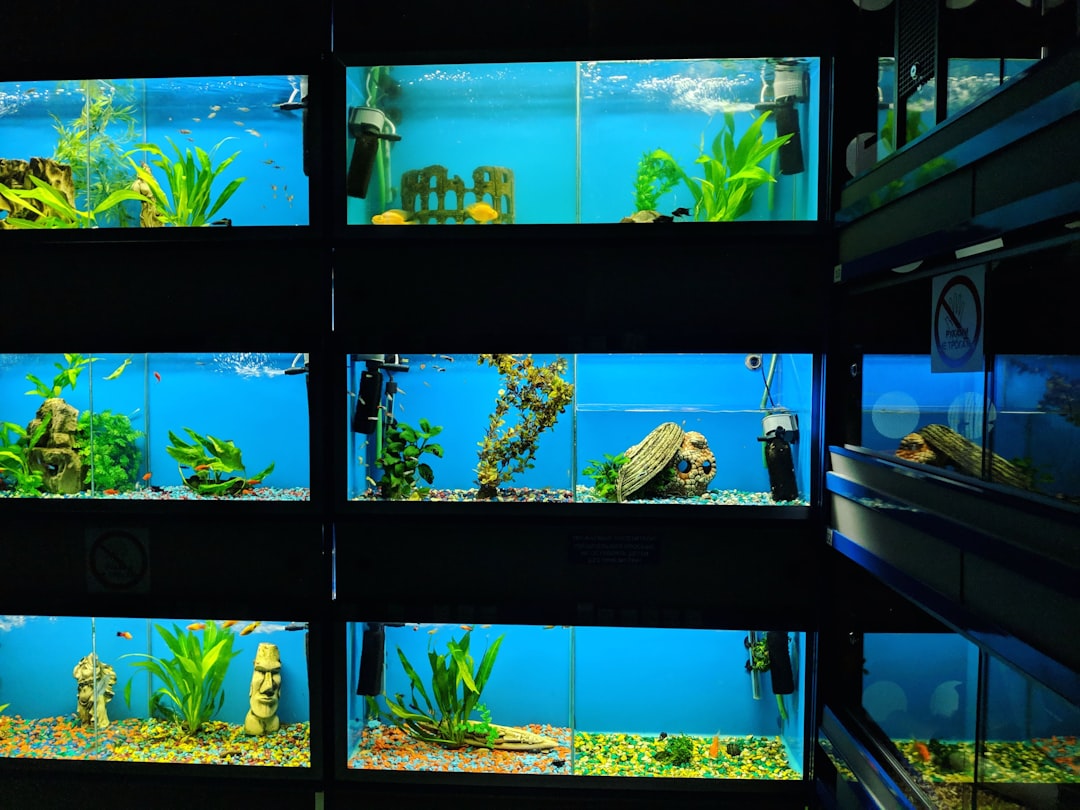
Losing baby shrimp or newborn fry to a filter intake is one of the most preventable tragedies in the hobby. A simple guard over the intake pipe eliminates the risk almost entirely, yet many hobbyists skip this step until it is too late. Finding the best filter intake guard for shrimp and fry depends on your filter type, tank inhabitants, and how much maintenance you are willing to do. At Gensou Aquascaping in Singapore, we fit intake guards on every shrimp and breeding tank we set up — it is non-negotiable.
Stainless Steel Mesh Guards
Perforated stainless steel guards slide over standard 12/16 mm or 16/22 mm lily pipe inlets. They look clean in an aquascape, resist algae growth better than sponge, and barely impede flow when sized correctly. Expect to pay $8 to $20 on Shopee or Lazada for a decent one. Check that the mesh holes are no larger than 2 mm — anything wider and newborn Neocaridina davidi shrimplets can still squeeze through.
Sponge Pre-Filters
The classic sponge pre-filter remains popular for good reason. It catches debris before it reaches your canister, extending the time between deep filter cleans. Fine-pore sponge blocks particles down to roughly 0.5 mm, making them the safest option for breeding tanks housing tiny species like Caridina shrimp or endler fry. The trade-off is aesthetics — a grey or black sponge on the intake is hard to hide in a minimalist aquascape.
Rinse the sponge in old tank water every week or two. In Singapore’s warm water (26-30 °C), biofilm accumulates faster than in cooler climates, and a clogged sponge reduces flow dramatically.
Combination Guards
Some newer products pair a stainless steel outer cage with a fine sponge insert. You get the rigid protection and visual tidiness of metal with the particle filtration of sponge. These cost a bit more — around $15 to $28 — but they work well in community tanks where you want both fry safety and mechanical pre-filtration. Replacement sponge inserts are usually available separately for a few dollars each.
Sizing for Your Filter
Measure your intake pipe’s outer diameter before ordering. Common canister sizes are 12/16 mm and 16/22 mm, but some brands use proprietary dimensions. A guard that fits loosely will rattle or fall off entirely; one that is too tight may crack a glass lily pipe. If you are between sizes, choose the larger guard and use a small O-ring or silicone band to snug the fit.
Flow Rate Considerations
Every guard reduces flow to some extent. Stainless steel mesh causes minimal restriction — perhaps 5-10% — while a fine sponge can cut flow by 20-30% when clean and more as it clogs. For high-flow setups pushing 10x turnover, this reduction is negligible. For nano tanks running a small hang-on-back filter, choose the lowest-restriction option you can find to avoid starving the filter of water.
Maintenance Tips
Stainless guards benefit from a quick rinse during water changes to clear any algae film. A soft toothbrush works well. Sponge pre-filters need more frequent attention — squeeze them out in a bucket of dechlorinated water weekly. Neglecting this step is the number one reason hobbyists blame guards for poor filter performance. The guard is not the problem; the maintenance schedule is.
Which Guard Suits Your Tank
For planted aquascapes where appearance matters, a stainless mesh guard is the obvious pick. Breeding tanks and dedicated shrimp setups benefit more from sponge or combination guards that catch the smallest organisms. Whichever you choose, installing the best filter intake guard for your situation is one of the cheapest and most impactful upgrades you can make — a few dollars now saves countless lives over the life of the tank.
Related Reading