
Magnesium Deficiency in Aquarium Plants: Symptoms and Solutions
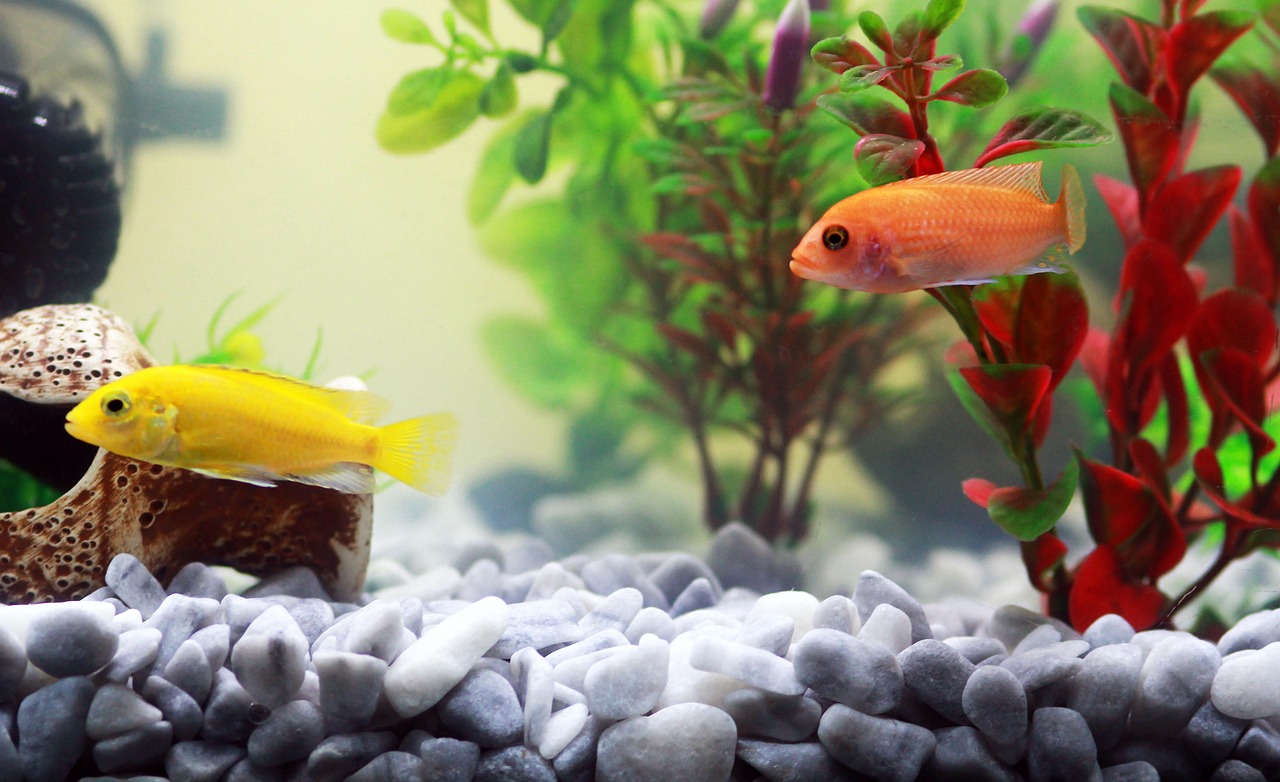
When older leaves on your aquarium plants develop pale patches between dark green veins — a pattern called interveinal chlorosis — magnesium deficiency is one of the most likely culprits. It is surprisingly common in planted tanks, especially those using soft water or RO remineralised with GH boosters that lack adequate magnesium. This guide to magnesium deficiency aquarium plants from Gensou Aquascaping at 5 Everton Park, Singapore, helps you identify the symptoms accurately, understand why it happens, and correct it before your plants deteriorate further. This guide sits inside our broader Planted Tank Complete Hub reference.
Why Magnesium Matters
Magnesium sits at the centre of every chlorophyll molecule — without it, plants literally cannot photosynthesise. Beyond chlorophyll production, magnesium activates enzymes involved in carbon fixation, protein synthesis, and nutrient transport within the plant. It is classified as a macronutrient, meaning plants need it in relatively large quantities: 5-10 ppm of magnesium in the water column is the generally accepted target range for a healthy planted aquarium. Deficiency develops gradually and shows on older leaves first because magnesium is a mobile nutrient — the plant redistributes it from old growth to fuel new growth.
Identifying the Symptoms
Classic magnesium deficiency presents as interveinal chlorosis on older, lower leaves. The tissue between leaf veins turns yellow or pale green while the veins themselves remain dark green, creating a distinctive striped or mottled pattern. In severe cases, the pale areas become necrotic — turning brown and developing holes or crispy edges. Stem plants like Rotala and Ludwigia show it on their lower leaves first; rosette plants like Echinodorus display it on the outer, oldest leaves of the rosette. New growth typically appears healthy until the deficiency becomes acute.
Common Causes in Singapore Tanks
Singapore’s PUB tap water is naturally soft, with GH typically around 2-4. This translates to low calcium and magnesium levels from the start. Hobbyists who use RO water remineralised with products that emphasise calcium over magnesium compound the problem — some GH boosters contain calcium sulphate as their primary ingredient, leaving magnesium out entirely. High-light, high-CO2 tanks with fast-growing stems consume magnesium rapidly, outpacing what minimal amounts the water supply provides. Large, frequent water changes with unmineralised water also dilute existing magnesium reserves.
Testing and Measurement
Dedicated magnesium test kits exist but are uncommon in local fish shops. A practical workaround: test both GH and calcium separately. Subtract the calcium hardness from total GH — the remainder approximates magnesium hardness. If total GH reads 6 but calcium accounts for 5 of those degrees, your magnesium contribution is minimal. For planted tanks, aim for a calcium-to-magnesium ratio of roughly 3:1 to 4:1, which translates to about 5-10 ppm Mg alongside 15-30 ppm Ca. Salifert and Seachem both produce magnesium test kits available through Shopee if you want direct measurement.
How to Correct Magnesium Deficiency
The simplest and most affordable solution is Epsom salt — magnesium sulphate heptahydrate, available at pharmacies for a few dollars. Dissolve 1 gram of Epsom salt per 40 litres of aquarium water to raise magnesium by approximately 2.5 ppm. Add it dissolved in water change water rather than directly to the tank to avoid localised concentration spikes. For ongoing maintenance, include Epsom salt in every water change at a rate that maintains 5-10 ppm magnesium. Seachem Equilibrium is another option that provides both calcium and magnesium in a balanced ratio, priced around $15-25 locally.
Distinguishing From Similar Deficiencies
Interveinal chlorosis can also indicate iron or manganese deficiency, making misdiagnosis common. The key difference: magnesium deficiency affects older leaves first (it is mobile), while iron and manganese deficiencies show on new growth first (they are immobile). If your youngest leaves are pale with green veins, suspect iron. If your oldest leaves are affected, magnesium is the likely issue. Potassium deficiency can also cause holes in older leaves but without the characteristic green-veined chlorosis pattern. When uncertain, address magnesium and iron simultaneously — they rarely conflict when dosed at recommended levels.
Prevention for Long-Term Health
Build magnesium into your regular fertilisation routine rather than treating it reactively. Include Epsom salt in your water change bucket at a consistent dose. Choose GH-boosting products that contain both calcium and magnesium — read ingredient labels carefully. In high-demand tanks with fast-growing stems and CO2 injection, monitor older leaves weekly for early signs of chlorosis and increase dosing before symptoms become severe. Plants respond to magnesium supplementation within one to two weeks; new leaves emerge healthy, though damaged old leaves will not recover.
A Small Adjustment With Big Results
Magnesium is one of those nutrients that gets overlooked because it is not included in many standard fertiliser regimens. Yet for Singapore hobbyists working with naturally soft water, it is often the missing piece that transforms struggling plants into thriving ones. Recognising magnesium deficiency aquarium plants symptoms early and correcting with inexpensive Epsom salt is one of the highest-value interventions you can make. A few grams of dissolved mineral per water change can be the difference between a lush planted tank and one plagued by mysterious yellowing leaves.
Related Reading
- Boron Deficiency in Aquarium Plants: Twisted Tips and Stunted Growth
- Calcium Deficiency in Aquarium Plants: Twisted New Growth
- Manganese Deficiency in Aquarium Plants: Pale Patches Between Veins
- Sulphur Deficiency in Aquarium Plants: Uniform Yellowing Explained
- Zinc Deficiency in Aquarium Plants: Small Leaves and Slow Growth



