
Sumatra Peat Swamp Biotope Aquascape: Dark Acidic Wilderness
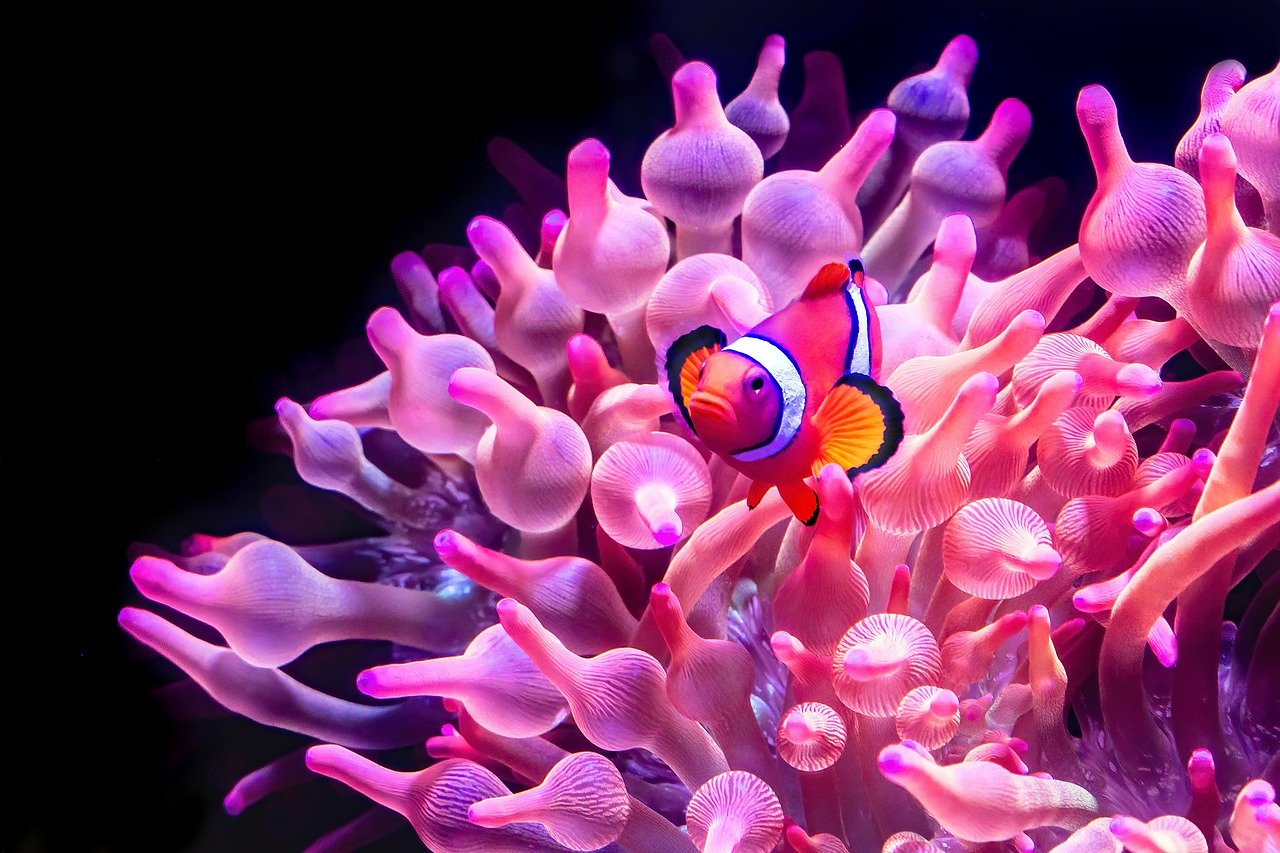
Few aquascaping styles feel as primordial as a peat swamp biotope. Dark tannin-stained water, a thick bed of decomposing leaves, and twisted root structures create an environment that looks untouched by human hands. A Sumatra peat swamp biotope aquascape replicates one of Southeast Asia’s most threatened ecosystems right inside your living room. Gensou Aquascaping at 5 Everton Park, Singapore, has a particular fondness for this style because many of the species involved are native to our broader region.
Understanding the Habitat
Sumatran peat swamps form where organic matter accumulates faster than it decomposes, creating waterlogged soils metres deep. The water is extremely soft (GH 0-2, KH 0-1) and acidic, with pH values between 3.5 and 5.5. Tannins from decaying leaves and wood stain the water a deep amber to almost opaque brown. Light penetration is low, dissolved minerals are minimal, and oxygen levels hover just above what most fish can tolerate. Replicating these conditions requires deliberate effort, but the aesthetic reward is extraordinary.
Tank Size and Layout
A shallow, wide tank works best. A standard 90 x 45 x 30 cm (roughly 120 litres) gives plenty of floor space for leaf litter without excessive water depth. Place a layer of inert sand 2-3 cm deep as the base, then scatter driftwood pieces at irregular angles to simulate fallen branches. Malaysian driftwood and spider wood are both ideal choices and readily available at Singapore fish shops for $10-$40 depending on size. Avoid rocks entirely; peat swamps are geologically devoid of stone.
Creating Blackwater Conditions
Tannins are the signature element. Add dried Indian almond leaves (Terminalia catappa), available in bulk on Shopee for around $5 per 50 leaves, directly to the tank. Supplement with alder cones and rooibos tea bags tucked into the filter for a sustained tannin release. Peat granules in a filter media bag produce the strongest colour and most significant pH drop. Start slowly and monitor pH daily until you reach your target range of 4.5-5.5. Singapore’s soft tap water (GH 2-4) provides a favourable starting point, but you may still need RO water to push hardness close to zero.
Filtration and Flow
Peat swamps are virtually stagnant. Use a gentle sponge filter or a canister filter with the spray bar aimed at the glass to diffuse output. Turnover rate of 3-4 times tank volume per hour is ample. Strong flow disturbs the leaf litter bed, which defeats the visual purpose and stresses the inhabitants. Carbon filtration must be avoided, as it removes the tannins you worked to introduce.
Fish Species for Authenticity
Sumatran peat swamps host a distinctive cast of fish. Betta species like Betta coccina and Betta brownorum are the jewels of this biotope, their deep red colouration glowing against the dark water. Parosphromenus species (licorice gouramis) are another iconic group, though they require pristine blackwater and can be challenging to source. Rasbora species like Rasbora kalochroma add mid-water movement. Avoid mixing these with fish from alkaline habitats; the parameter mismatch will shorten lifespans on both sides.
Plants That Thrive in Acidic Blackwater
True peat swamps have minimal aquatic vegetation due to the extreme acidity and low light. For authenticity, limit planting to Cryptocoryne species that tolerate very soft, acidic water, such as Cryptocoryne griffithii or Cryptocoryne cordata. Floating plants like Salvinia or Ceratopteris thalictroides dim the light further and provide surface cover. Resist the temptation to carpet the floor with demanding foreground plants; the beauty of this biotope lies in the bare, leaf-strewn substrate.
Maintenance in Singapore’s Climate
Weekly 10-15% water changes with RO or very soft water maintain tannin levels without diluting them too quickly. Replace decomposed leaves monthly, as they break down faster in our warm ambient temperatures of 28-31 °C. No heater is needed. Monitor pH regularly because biological processes in a leaf-litter-heavy system can cause gradual acidification beyond your target range. A slow drip of RO water for top-ups prevents mineral creep from evaporation.
Bringing the Swamp to Life
A well-executed Sumatra peat swamp biotope is hauntingly beautiful. The interplay of shadow, tannin-stained light and delicate wild bettas creates a living diorama of a vanishing ecosystem. It requires patience, careful water chemistry management and restraint in stocking. Gensou Aquascaping encourages hobbyists in Singapore to explore this style as both an artistic challenge and a tribute to the irreplaceable habitats just a short flight from our shores.
Related Reading



