
How to Aquascape for Ricefish (Medaka): Surface and Substrate
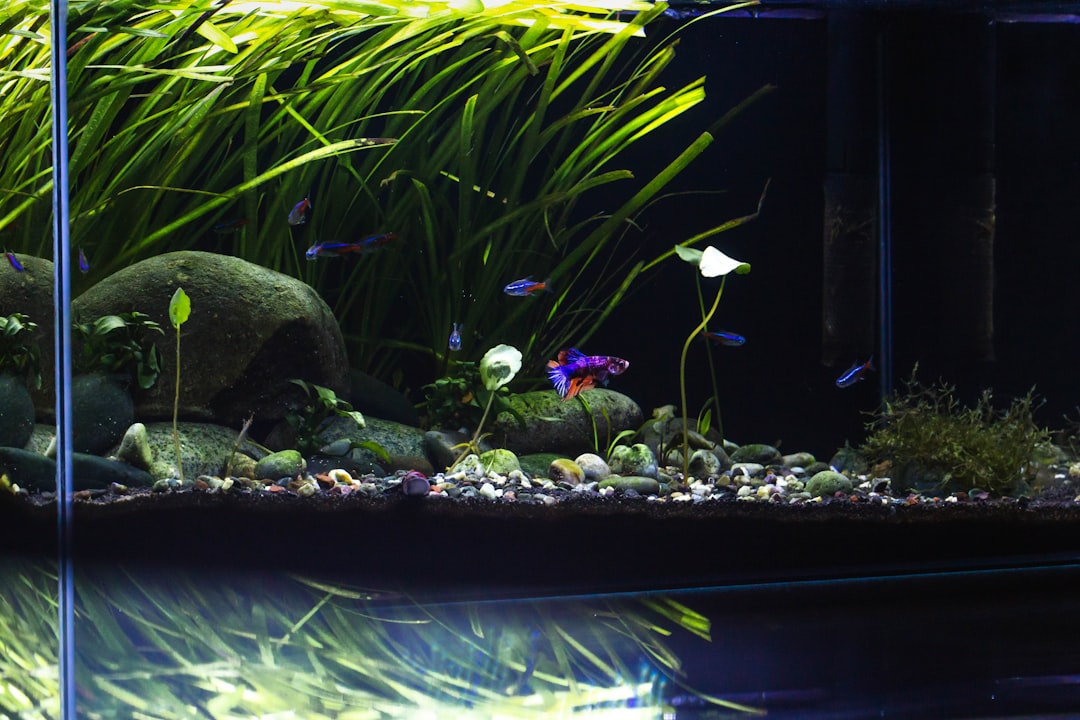
Medaka (Oryzias latipes) have surged in popularity across Asia, and Singapore’s hobbyists are no exception. These tiny surface dwellers breed readily, display beautiful colour variants, and ask very little in return. An aquascape for a ricefish medaka tank should cater to their top-water lifestyle, provide spawning surfaces, and maintain the calm flow they prefer. This guide from Gensou Aquascaping at 5 Everton Park, Singapore covers the layout principles that let medaka thrive and display naturally.
How Medaka Use Their Tank Space
Unlike tetras that occupy the mid-water column, medaka spend 80 percent of their time within 5 cm of the surface. They feed at the top, spawn near floating plants, and bask in light. The lower half of your tank is primarily for aesthetics and water volume rather than fish activity. Understanding this top-heavy distribution shapes every layout decision, from plant placement to filtration output positioning.
Tank Size and Shape
Medaka are small (3-4 cm adult size) and perfectly suited to nano tanks. A 30 cm cube holding roughly 25 litres comfortably houses 6-8 fish. Larger groups of 15-20 benefit from a 45-60 cm tank. Shallow, wide containers work better than tall, narrow ones because they maximise the surface area medaka prefer. Open-top rimless tanks are ideal; they allow natural light to reach floating plants and give you an unobstructed view of the fish from above, which is how medaka are traditionally appreciated in Japanese culture.
Substrate Choices
Medaka are not fussy about substrate. Fine sand in natural tones provides a clean look and makes it easy to spot fallen eggs or fry. Dark substrates enhance the colour of platinum, orange, and black medaka varieties by providing contrast. If you want to grow rooted plants, a thin layer of aquasoil (2-3 cm) works well. Avoid coarse gravel with sharp edges, as medaka occasionally rest on the bottom and their delicate fins can snag on rough surfaces.
Surface Plants Are Essential
Floating plants define a medaka aquascape. Salvinia minima provides dense root mats where females deposit eggs, and its small leaf size suits nano tanks. Riccia fluitans (floating crystalwort) creates a beautiful green raft and doubles as an egg trap. Amazon frogbit (Limnobium laevigatum) offers broader leaves that shade specific areas. Cover about 40-50 percent of the surface, leaving open zones for feeding and observation. In Singapore’s bright ambient light, floaters grow vigorously and may need weekly thinning to prevent them from smothering the tank.
Submerged Plants for Balance
While surface plants do the heavy lifting, submerged plants contribute to water quality and visual depth. Java moss attached to small stones creates low mounds that fry can hide in once they hatch. Rotala rotundifolia or Ludwigia repens in the background adds vertical interest and colour behind the floating canopy. Bucephalandra species attached to a small piece of wood provide texture in the midground without demanding high light. None of these require CO2 injection, keeping the setup simple and beginner-friendly.
Spawning Media and Egg Collection
Medaka lay eggs almost daily once mature, and females carry grape-like clusters on their ventral fins before depositing them on fine-textured surfaces. Yarn spawning mops or commercially available medaka spawning balls (readily found on Shopee for $2-$5 each) make egg collection easy. Float the mop or ball near the surface plants and check it every morning. Transfer eggs to a separate hatching container with clean water at 26-28 degrees C; they hatch in 7-10 days. This routine is addictive, and before long you will be raising dozens of fry.
Filtration and Flow
Medaka dislike strong current. A sponge filter powered by a small air pump is the safest choice; it provides biological filtration and gentle surface agitation without creating flow that pushes these lightweight fish around. For a cleaner aesthetic, a small hang-on-back filter with the outlet baffled by a sponge or aimed at the glass wall works too. Avoid powerheads or canister returns pointed across the surface. The goal is still water at the top where medaka feed and spawn, with just enough circulation to maintain oxygenation.
Water Parameters and Local Considerations
Medaka tolerate a broad range: pH 6.5-8.0, GH 4-15, temperature 15-30 degrees C. Singapore tap water after dechlorination suits them without adjustment. The ambient 28-30 degrees C is within their comfort zone, so no heater or chiller is needed. Weekly water changes of 20-25 percent keep nitrate in check. Medaka are surprisingly tough once established, but newly purchased fish benefit from gentle drip acclimatisation over 30-45 minutes. Gensou Aquascaping recommends medaka as one of the easiest and most rewarding fish for beginners and collectors alike in Singapore.
Related Reading



