
Eleocharis Acicularis Mini Dry Start: Hairgrass Carpet Shortcut
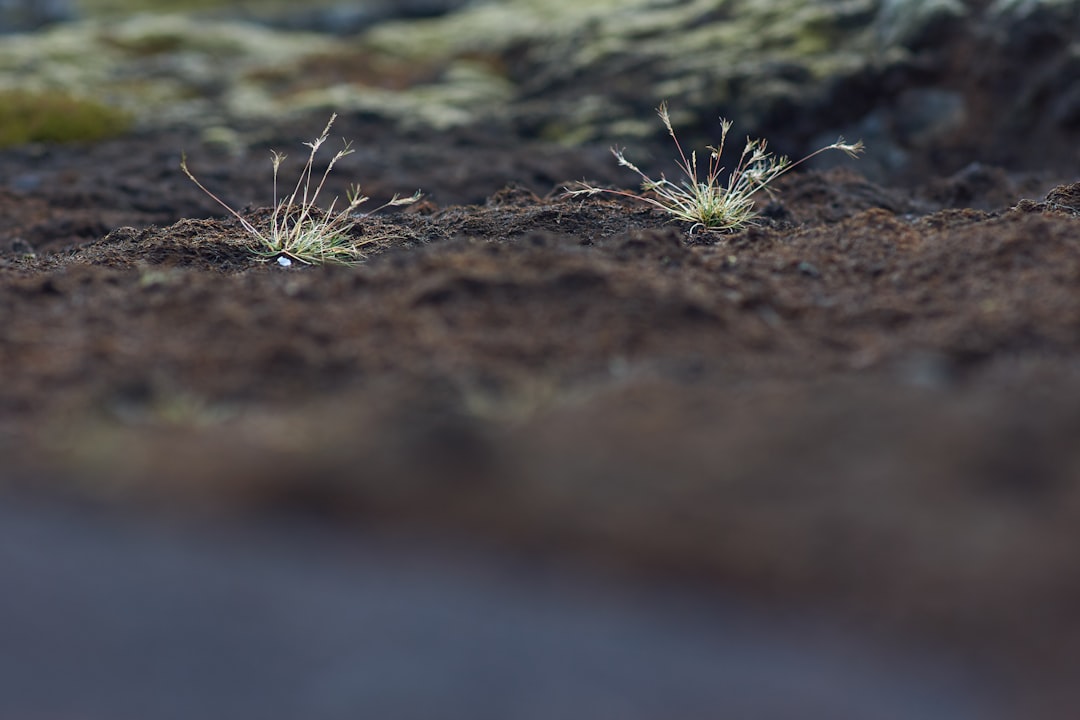
Building a dense hairgrass carpet from scratch can take months underwater, but the dry start method (DSM) compresses that timeline dramatically. This eleocharis mini dry start method guide from Gensou Aquascaping at 5 Everton Park, Singapore, shows you exactly how to establish Eleocharis acicularis “Mini” — the compact hairgrass variety that tops out at 3-5 cm — using nothing more than moist soil, cling film, and Singapore’s naturally warm, humid climate. The result is a fully rooted carpet before a single drop of tank water goes in.
Why Dry Start Works
Emersed growth gives plants unlimited access to atmospheric CO2 — roughly 400 ppm compared to the 5-30 ppm typical of an aquarium. Roots develop faster, runners spread quicker, and the carpet fills in before you add water, fish, and the associated challenges of algae competition. Eleocharis acicularis “Mini” is particularly well-suited to DSM because it is a vigorous runner that sends out lateral shoots aggressively when rooted in moist substrate. Four to six weeks of dry start achieves what might take three to four months submersed.
Substrate Preparation
Use a fine-grained aquasoil as the substrate — ADA Amazonia, UNS Controsoil, or Tropica Aquarium Soil are all proven choices. Spread the substrate to a depth of 3-4 cm across the tank floor. For aquascapes with sloped layouts, build your hardscape (rocks, driftwood) first and fill around it. Mist the substrate with dechlorinated water until it is thoroughly moist but not waterlogged — you should not see standing water on the surface. The consistency should feel like a wrung-out sponge.
Planting Technique
Tissue culture (TC) cups are the ideal starting material for DSM. One cup of Eleocharis acicularis “Mini” typically costs $6-$10 on Shopee or at local aquarium shops. Rinse the gel medium off thoroughly under running water. Divide the culture into small portions — roughly pea-sized clumps — using your fingers or tweezers. Plant each clump 1.5-2 cm apart across the substrate, pressing the roots firmly into the moist soil. Closer spacing means faster coverage but uses more cups. For a 60 cm tank, two to three TC cups provide good initial density.
Creating the Humid Environment
Cover the tank opening tightly with cling film (plastic wrap) to trap humidity inside. The goal is 90-100% relative humidity, which prevents the emersed plants from drying out while giving them full access to atmospheric CO2. In Singapore’s naturally humid climate (70-90% ambient), maintaining adequate moisture inside the tank is straightforward. Place the tank in a spot with indirect natural light or under your aquarium light running at moderate intensity for 8-10 hours daily. Direct sunlight risks overheating the enclosed space.
Daily Maintenance During DSM
Open the cling film for 5-10 minutes each day to allow fresh air exchange and prevent mould growth. Mist the substrate lightly if the surface appears to be drying — the soil should remain consistently moist throughout the dry start period. Watch for white mould forming on the substrate surface or on plant tissue; this is common in the first week and usually resolves with better air circulation. If mould persists, spray a diluted hydrogen peroxide solution (3% H2O2, one part to four parts water) directly on affected areas.
Timeline and What to Expect
During week one, you may see some yellowing as tissue culture plantlets adapt from gel to soil. This is normal. By week two, fresh green shoots appear and runners begin extending outward. Weeks three and four bring visible carpet formation as runners interconnect and fill gaps between the original clumps. By week five to six, the carpet should be dense enough to flood. Singapore’s warm temperatures of 28-32°C actually accelerate emersed growth compared to cooler climates, giving local hobbyists a slight advantage in DSM timelines.
Flooding the Tank
When the carpet is sufficiently dense, remove the cling film and begin flooding slowly. Pour water over a plate or piece of plastic placed on the substrate to avoid displacing the carpet. Fill gradually over one to two hours. Some temporary yellowing and leaf transition is expected as the plant shifts from emersed to submersed growth — new submersed leaves will emerge within a week. Start CO2 injection immediately upon flooding to maintain the fast growth rate and prevent algae from colonising the transitioning carpet.
Post-Flood Care
Maintain high CO2 levels (25-35 ppm) and moderate lighting for the first two weeks after flooding. Dose liquid fertiliser from day one — iron and potassium are particularly important for hairgrass. Perform 50% water changes every other day during the first week to manage the ammonia spike that leaches from freshly flooded aquasoil. After two weeks, transition to a normal maintenance schedule. The carpet established through the eleocharis mini dry start method will be far more resilient and densely rooted than one planted directly underwater, giving you a significant head start on a competition-quality aquascape.
Related Reading
- Dwarf Hairgrass Dry Start Method: Eleocharis Carpet From Seed to Flood
- Glossostigma Dry Start Method: Fastest Path to a Dense Carpet
- HC Cuba Dry Start Method: Ultra-Fine Carpet Before Flooding
- How to Grow Monte Carlo Emersed With the Dry Start Method
- Marsilea Hirsuta Dry Start Method: Clover Carpet Before Flooding

emilynakatani
Still Have Questions About Your Tank?
Drop by Gensou Aquascaping — most walk-in questions get answered in under 10 minutes by someone who has set up hundreds of tanks.
5 Everton Park #01-34B, Singapore 080005 · Open daily 11am – 8pm


