
Zinc Deficiency in Aquarium Plants: Small Leaves and Slow Growth
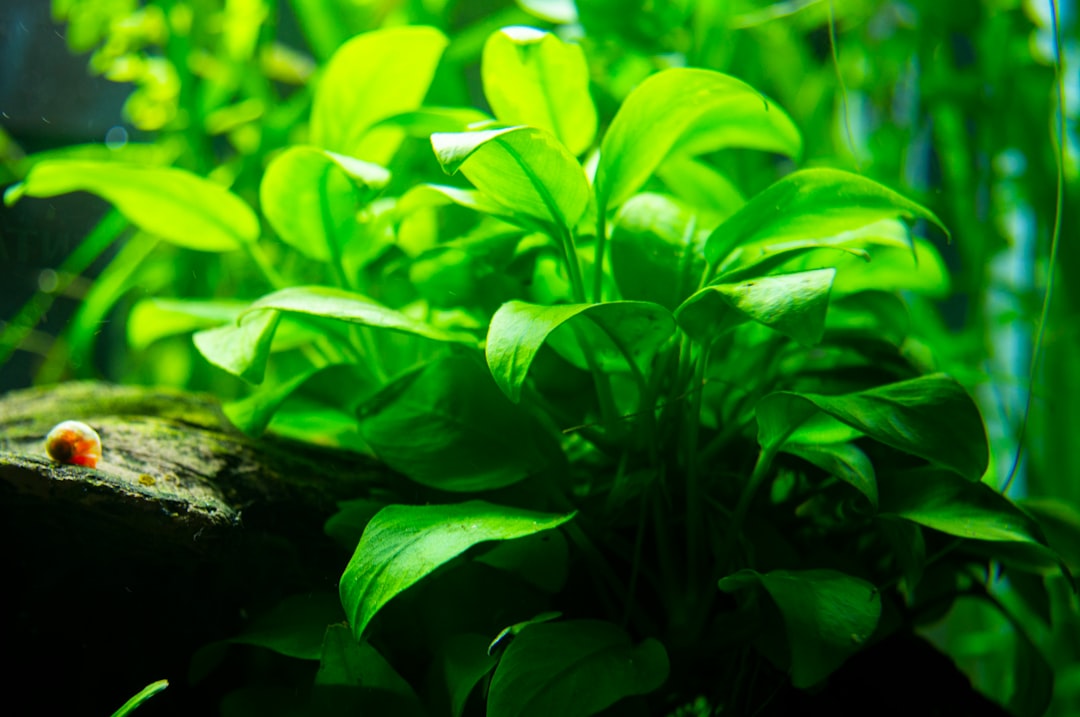
When aquarium plants produce progressively smaller leaves, stunted tips, and interveinal chlorosis that does not respond to iron dosing, the culprit may be a trace element most hobbyists overlook entirely. This zinc deficiency aquarium plants guide from Gensou Aquascaping at 5 Everton Park, Singapore, explains how to identify, correct, and prevent zinc shortages in planted tanks. Zinc plays a critical role in enzyme activation and growth hormone production — without adequate levels, even well-lit, CO2-injected aquascapes stall.
What Zinc Does in Plants
Zinc is a micronutrient required in tiny amounts but involved in over 300 enzymatic reactions within plant cells. It is essential for the synthesis of auxin — the hormone that drives cell elongation and leaf expansion. It also supports chlorophyll production and protein synthesis. Unlike mobile nutrients such as nitrogen and potassium, zinc is relatively immobile within plant tissue, meaning deficiency symptoms appear first in the youngest growth rather than in older leaves.
Recognising the Symptoms
The hallmark sign of zinc deficiency is progressively smaller new leaves — a phenomenon sometimes called “little leaf syndrome.” Growth tips may appear bunched or rosette-like, with internodes compressed so tightly that new leaves overlap. Interveinal chlorosis on young leaves — yellowing between the veins while the veins themselves remain green — is another common indicator. In severe cases, leaf margins develop necrotic spots and curling. Stem plants like Rotala and Ludwigia show these symptoms most visibly, though rosette plants and mosses are also affected.
Common Causes
Most comprehensive liquid fertilisers contain some zinc, but at concentrations that can be inadequate in high-demand setups with strong lighting and CO2 injection. Elevated phosphate levels compete with zinc uptake at the root zone — a well-documented antagonism in plant physiology. High pH (above 7.5) reduces zinc solubility, making it less available even when technically present in the water column. Freshly buffered aquasoils and heavy substrate fertilisation can also bind zinc, locking it away from plant roots.
Testing and Diagnosis
Hobby-grade zinc test kits are essentially non-existent, making diagnosis a process of elimination. Rule out iron deficiency first, as the chlorosis patterns can look similar — if dosing iron does not resolve the issue within a week, zinc becomes the likely suspect. Check your fertiliser label for zinc content; many budget formulations omit it entirely. If you dose phosphate heavily or run a pH above 7.5, zinc availability drops even when your fertiliser technically includes it. Trial dosing is often the most practical diagnostic approach.
How to Correct Zinc Deficiency
Add a dedicated trace element supplement that lists zinc sulphate (ZnSO4) as an ingredient. Dose conservatively — zinc is beneficial in micro-amounts but toxic at higher concentrations. A target of 0.01-0.03 ppm zinc in the water column is sufficient. Some hobbyists prepare a DIY stock solution using laboratory-grade zinc sulphate heptahydrate: dissolve 1 gram in 1 litre of distilled water, then dose 1 ml per 100 litres of tank water weekly. Start at half strength and observe plant response over two weeks before increasing.
Preventing Future Deficiency
Switch to a comprehensive micro fertiliser that explicitly includes zinc, boron, and manganese — not just iron and potassium. Brands like APT Complete, Tropica Premium Nutrition, and Seachem Flourish Comprehensive all include zinc in their formulations and are readily available on Shopee and Lazada in Singapore. Maintain phosphate at reasonable levels (0.5-2 ppm) to avoid competitive inhibition. If your tank runs above pH 7.5, consider whether lowering it slightly with CO2 injection could improve overall micronutrient availability.
Zinc Toxicity — The Other Extreme
Overdosing zinc causes its own set of problems. Excess zinc inhibits iron uptake, producing iron-deficiency symptoms even when iron levels are adequate — a frustrating diagnostic loop. Toxicity can also harm fish and invertebrates; shrimp are particularly sensitive to heavy metal accumulation. Never dose zinc from unverified sources — galvanised hardware, old plumbing fittings, and certain budget decorations can leach zinc into tank water at unpredictable rates. Stick to aquarium-grade supplements and dose conservatively.
Putting It All Together
Zinc deficiency is uncommon in casually maintained tanks but surfaces regularly in high-tech planted setups where rapid growth depletes trace elements faster than basic fertilisation can replenish them. If your plants are producing abnormally small, chlorotic new growth despite adequate macronutrients, lighting, and CO2, zinc should be on your troubleshooting list. Addressing this often-overlooked micronutrient can unlock growth potential that no amount of extra iron or potassium will achieve — a small adjustment with outsized results for your zinc deficiency aquarium plants recovery.
Related Reading
- Boron Deficiency in Aquarium Plants: Twisted Tips and Stunted Growth
- Calcium Deficiency in Aquarium Plants: Twisted New Growth
- Magnesium Deficiency in Aquarium Plants: Symptoms and Solutions
- Manganese Deficiency in Aquarium Plants: Pale Patches Between Veins
- Sulphur Deficiency in Aquarium Plants: Uniform Yellowing Explained



