
Dwarf Hairgrass Dry Start Method: Eleocharis Carpet From Seed to Flood
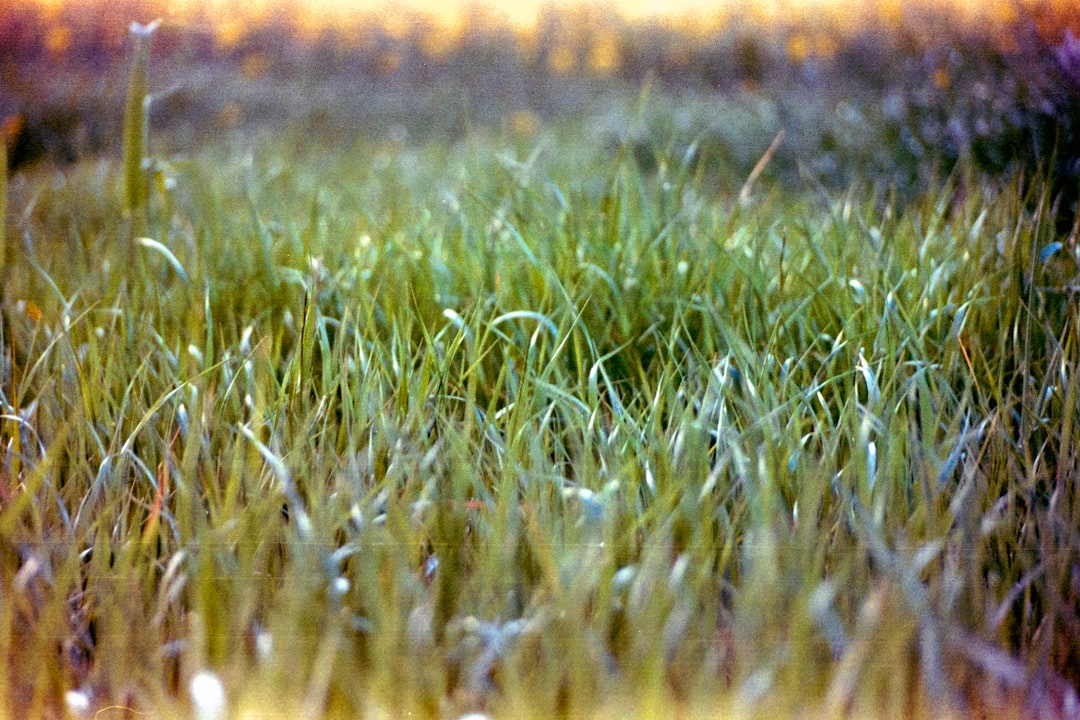
Growing a flawless carpet of dwarf hairgrass (Eleocharis sp.) is one of the most satisfying achievements in planted tanks — and the dry start method (DSM) dramatically improves your odds of success. This dwarf hairgrass dry start method guide from Gensou Aquascaping at 5 Everton Park, Singapore, takes you through substrate preparation, planting, humidity management, and the critical flooding phase. Singapore’s tropical humidity actually gives us a natural advantage for DSM, making it an ideal technique for local hobbyists.
Why Dry Start Works
The dry start method involves growing aquatic plants emersed — above water — in a sealed, humid environment before flooding the tank. For carpet plants like Eleocharis acicularis (dwarf hairgrass) and E. parvula (mini hairgrass), this approach has three major advantages. Roots establish deeply in the substrate without floating up. Plants access atmospheric CO2 at 400 ppm, far more than even heavily injected aquariums provide. Algae cannot grow without standing water. The result is a dense, rooted carpet that transitions smoothly to submerged growth once you add water.
Choosing Your Eleocharis
Two species dominate the aquarium trade. E. acicularis grows 5-10 cm tall with slightly thicker blades — ideal for midground use or tanks viewed from a distance. E. parvula (also sold as E. pusilla) stays shorter at 3-5 cm with finer blades, producing a tighter carpet suited to nano and iwagumi-style layouts. Both respond well to DSM. Tissue culture cups, available at Singapore fish shops for $6-12, are the cleanest starting material — free of algae, snails, and pesticides.
Substrate Preparation
Use a fine-grained aqua soil such as ADA Amazonia, Tropica Aquarium Soil, or GEX Plant Soil. Pour 3-5 cm depth across the tank floor, slope it higher toward the back if desired for perspective. Mist the surface thoroughly with dechlorinated water until the soil is saturated but no standing water pools on top. The substrate should glisten but not puddle. A spray bottle set to fine mist gives the best control.
Planting Technique
Separate the tissue culture into small clumps of 5-8 blades each. Using fine-tipped tweezers, push each clump about 1 cm into the wet substrate, spacing them 1.5-2 cm apart in a grid pattern. Closer spacing fills in faster but uses more plant material. For a 60 cm tank, two tissue culture cups typically provide adequate coverage. Work methodically from back to front so you do not disturb already-planted areas. Mist lightly after planting to settle the soil around the roots.
Humidity and Environment
Seal the tank with cling film or a glass lid to maintain near-100% humidity inside. Leave a tiny gap — roughly 1 cm — at one corner for minimal air exchange, which prevents mould. Place the tank under moderate lighting for 8-10 hours daily. LED fixtures in the 30-50 PAR range work well. Singapore’s ambient temperature of 28-32 °C is actually ideal for emersed growth; no additional heating is needed. Mist the inside of the cover every 2-3 days if condensation decreases noticeably.
Growth Timeline
During the first two weeks, visible growth is minimal as the plants focus on root development. By week three, you should see new green blades emerging alongside the original ones. Between weeks four and six, runners begin spreading horizontally, connecting the planted clumps. A full, dense carpet typically develops by week six to eight. If growth stalls, ensure lighting is adequate and mist the substrate to prevent any dry patches. Mould spots occasionally appear on dead tissue culture gel residue — remove them with a cotton bud dipped in diluted hydrogen peroxide.
Flooding the Tank
This is the critical transition. Once the carpet is dense and well-rooted, add water slowly — pouring over a plate or colander to avoid disturbing the substrate. Fill to 2-3 cm above the carpet initially and let it sit for 24 hours before filling completely. Some leaf melting is normal as the plant transitions to submerged growth; new, thinner submerged leaves replace the emersed ones within 1-2 weeks. Start CO2 injection immediately upon flooding to support the transition. If you are running a low-tech tank without CO2, liquid carbon supplementation helps during this adjustment period.
Post-Flood Maintenance
After flooding, maintain strong lighting (50-80 PAR at substrate level) and consistent CO2 for the carpet to thrive submerged. Trim regularly once the grass reaches 4-5 cm — cutting back to 2 cm encourages thicker, lateral growth rather than tall, stringy blades. Use sharp, curved aquascaping scissors for a clean cut across the top. In Singapore’s warm tanks, expect to trim every 2-3 weeks once the carpet is established. Regular trimming also prevents the lower portions from dying off due to light deprivation, keeping your carpet healthy and green long-term. Gensou Aquascaping uses DSM for many client installations because the results are consistently superior to submerged planting from day one.
Related Reading
- Eleocharis Acicularis Mini Dry Start: Hairgrass Carpet Shortcut
- Glossostigma Dry Start Method: Fastest Path to a Dense Carpet
- HC Cuba Dry Start Method: Ultra-Fine Carpet Before Flooding
- How to Grow Monte Carlo Emersed With the Dry Start Method
- Marsilea Hirsuta Dry Start Method: Clover Carpet Before Flooding
A dry start is one route to lush hairgrass; once it has filled in, see how to design a full layout in our piece on aquascaping with hairgrass only.



