How to Aquascape for Scarlet Badis: Micro Territory Design
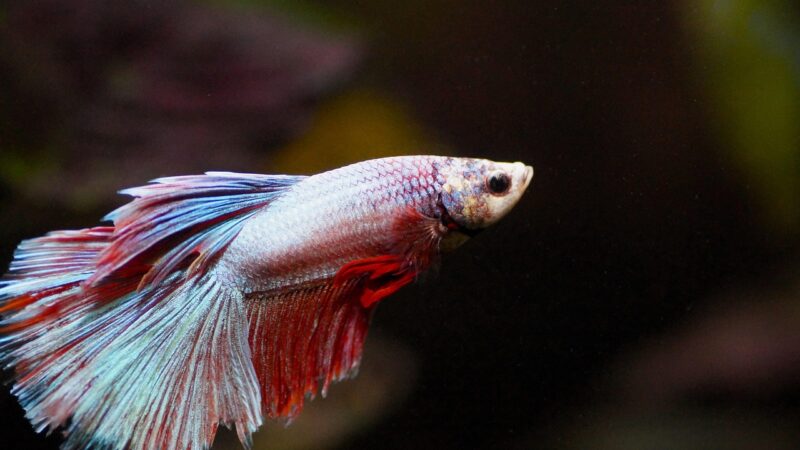
Scarlet badis (Dario dario) are one of the smallest freshwater predators you can keep — males barely reach 2 cm, yet they defend territories with startling intensity. A successful aquascape for a scarlet badis tank must break sight lines, create multiple micro territories, and provide dense cover without overwhelming the tiny inhabitants. At Gensou Aquascaping in Singapore, we have refined this layout approach across several nano builds and share our practical findings here.
Why Territory Design Matters
Male Dario dario are fiercely territorial. In an open tank, a dominant male harasses subordinates relentlessly, often starving them out. The solution is not a bigger tank but a smarter layout — one where each male claims a distinct patch of hardscape or plant mass and cannot see his rival from home base. Three well-separated territories in a 30-litre nano work better than a barren 100-litre tank.
Ideal Tank Size and Shape
A 30-45 litre tank with a footprint of at least 45 x 30 cm gives you room for three territories. Longer is better than deeper; a 60 x 30 x 25 cm layout allows four territories comfortably. Scarlet badis rarely swim in open water, so height above 30 cm is wasted space. Shallow rimless nano tanks from local brands like ANS or Ista are well-suited and widely stocked in Singapore.
Hardscape as Territory Markers
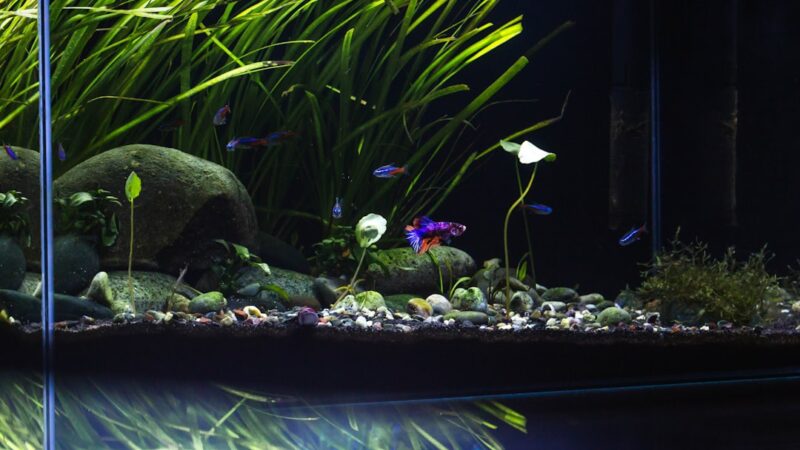
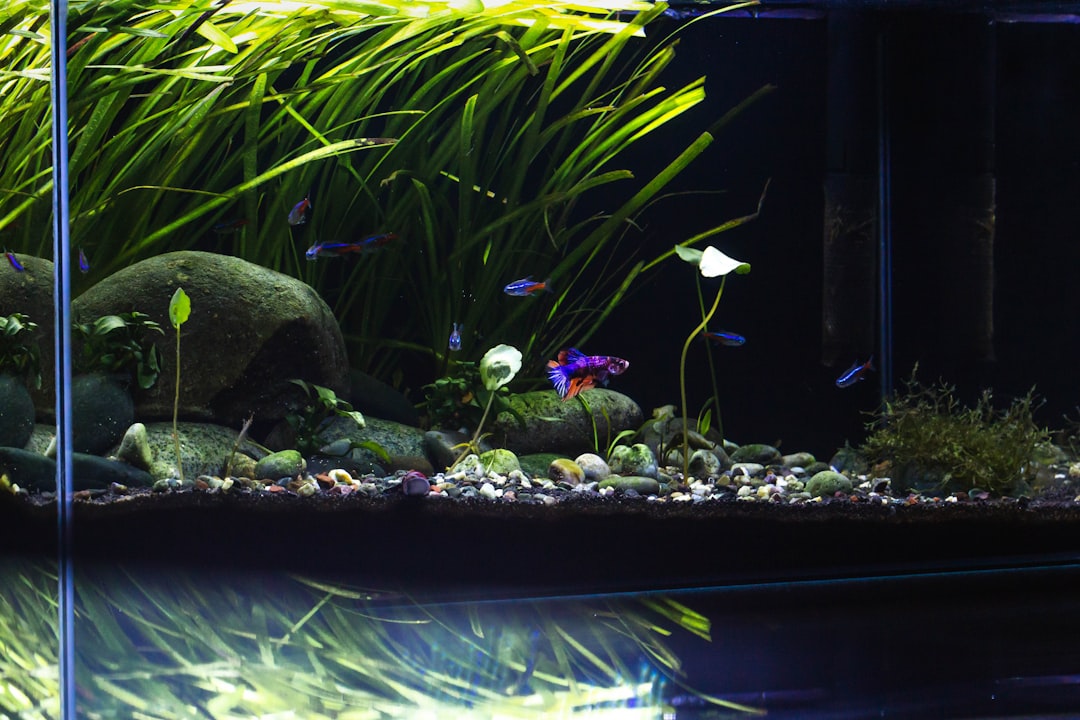
Small pieces of driftwood — cholla wood, mini spider wood, or thin manzanita branches — serve as natural territory anchors. Position three or four pieces with clear gaps between them, each at least 10-15 cm apart. Attach Bucephalandra or Anubias nana “Petite” to each piece so the wood doubles as a planting platform. Avoid large, imposing stones that dominate the scale — everything should feel proportional to a 2 cm fish.
Planting for Sight-Line Breaks
Dense vertical stems between territories block male-to-male sight lines. Rotala rotundifolia, Pogostemon erectus, or Ludwigia palustris planted in tight clusters create living walls. Position these dividers at the boundaries between hardscape zones. Low-growing plants like Cryptocoryne parva or Marsilea hirsuta carpet the foreground and give females hiding spots away from territorial disputes.
Moss and Microfauna Habitat
Scarlet badis are micropredators that feed primarily on tiny live foods — copepods, daphnia, and worms. A healthy population of microfauna living in moss provides a constant supplementary food source between feedings. Drape Taxiphyllum barbieri (Java moss) or Christmas moss over driftwood and rocks. The moss harbours infusoria and copepods that reproduce continuously in Singapore’s warm water conditions, acting as a self-sustaining snack bar.
Water Parameters and Filtration
Singapore’s PUB tap water (pH 7.0, GH 2-4) is close to ideal for Dario dario, which prefers soft, slightly acidic to neutral water. A gentle sponge filter or a small internal filter on low flow suits these timid fish perfectly. Strong current stresses them and blows live food past them before they can hunt. Temperature of 22-26 °C is recommended — a small fan blowing across the surface can drop ambient Singapore temperatures by 2-3 °C if needed.
Feeding in a Planted Nano
Scarlet badis notoriously refuse dry food. Plan to feed live or frozen baby brine shrimp, grindal worms, and daphnia. In a well-planted tank with thriving moss, microfauna supplements their diet between your scheduled feedings. Target-feed each territory individually using a pipette to ensure subordinate males and females get their share. Overfeeding fouls a nano tank rapidly, so feed small amounts twice daily rather than one large portion.
Stocking and Gender Ratios
Keep one male per territory with two or three females in the tank overall. Females are drab and smaller, so sourcing them can be tricky — many local fish shops sell only colourful males. Ask specifically or buy a group of juveniles from Carousell breeders and let them mature. A well-aquascaped 45-litre tank comfortably supports three males and four females, provided the sight-line breaks are effective. Watch for any male that loses colour or hides constantly — that is a sign of chronic stress from insufficient territory separation.
Related Reading