
Anubias Barteri var. Glabra Care Guide: Narrow Lance-Shaped Leaves
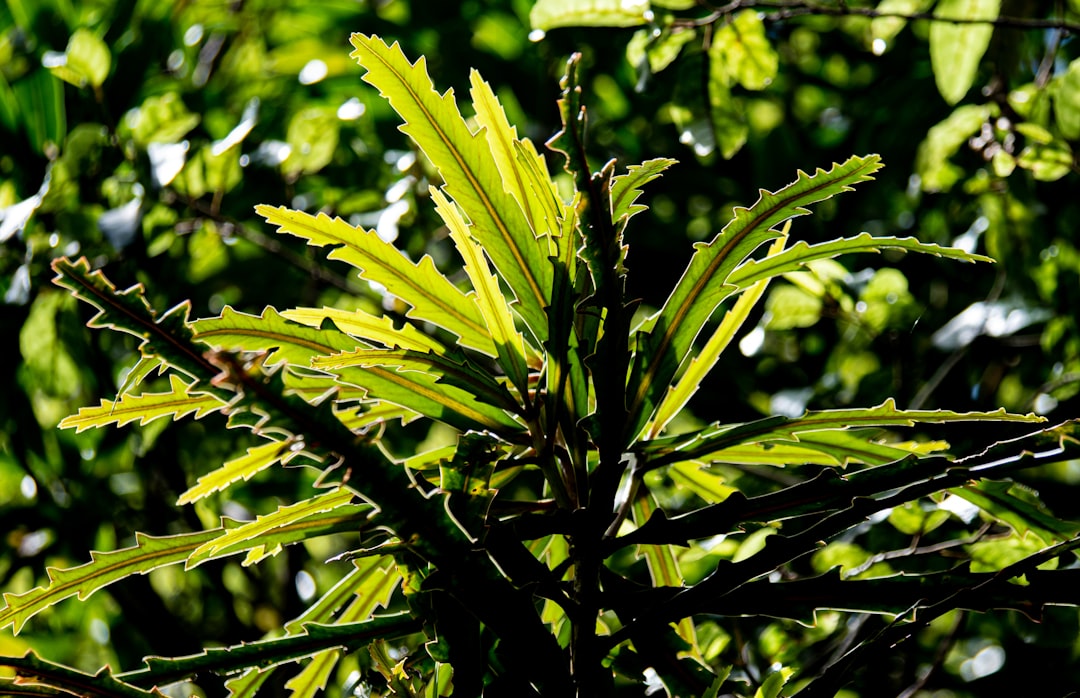
Among the many Anubias varieties available to aquascapers, Anubias barteri var. glabra stands out with its narrow, lance-shaped leaves and upright growth habit. This anubias barteri glabra care guide from Gensou Aquascaping at 5 Everton Park, Singapore, covers placement, lighting, propagation, and the common mistakes that stunt this elegant plant’s potential. If you appreciate clean lines and low-maintenance greenery, var. glabra deserves a place in your layout.
Plant Profile
Anubias barteri var. glabra produces elongated, pointed leaves that are narrower and more upright than the common Anubias barteri var. nana. Individual leaves reach 10-15 cm in length on mature plants, with a dark green colour and a slightly glossy texture. Growth is slow, producing one to two new leaves per month under moderate conditions. Like all Anubias, it is an epiphyte that should be attached to hardscape rather than planted in substrate.
Lighting Requirements
Low to moderate lighting suits this plant best. Under intense illumination above 50 PAR, the broad leaf surfaces become magnets for algae, particularly green spot algae and black beard algae. Position the plant in shaded areas beneath taller stems or under overhanging driftwood branches. If your tank runs high light for demanding carpet plants, place var. glabra in the lower third of the aquascape where light intensity drops naturally. A photoperiod of seven to eight hours per day is ample.
Placement and Attachment
Attach the rhizome to driftwood, lava rock, or Seiryu stone using super glue gel or cotton thread. Never bury the rhizome in substrate: it will rot and the plant will die within weeks. The roots serve primarily as anchors rather than nutrient uptake organs, so they can be trimmed if they become unsightly. Var. glabra‘s upright habit makes it an excellent midground accent on vertical driftwood branches, where the narrow leaves create a graceful cascade effect.
Water Parameters and Fertilisation
This plant thrives across a wide range: pH 6.0-8.0, GH 2-15, and temperatures of 22-30 °C. Singapore tap water and ambient temperatures are perfectly adequate without any adjustment. CO2 injection is not necessary but accelerates growth noticeably, pushing output to two to three leaves per month. A liquid all-in-one fertiliser dosed once or twice weekly provides sufficient nutrition. Iron supplementation helps maintain the rich dark green colour; deficiency shows as yellowing new leaves.
Propagation
Propagation is straightforward through rhizome division. Wait until the plant has at least eight to ten leaves, then cut the rhizome with a sharp blade, ensuring each section retains at least three to four leaves and a portion of healthy roots. Seal the cut end with super glue to prevent bacterial infection. Attach the new piece to its own hardscape position and it will resume growth within two to three weeks. Division is best done during routine maintenance, not as a standalone procedure that disturbs the entire tank.
Algae Prevention
Slow-growing plants like Anubias are prime targets for algae because their leaves remain in place for months. Wipe leaves gently with your fingers during water changes to remove biofilm buildup. Nerite snails and Amano shrimp (Caridina multidentata) are excellent biological controls that graze Anubias leaves without damaging them. Reducing the photoperiod by one hour and ensuring phosphate levels stay below 2 ppm helps prevent green spot algae, the most common offender on Anubias surfaces.
Common Mistakes
Burying the rhizome is the single most common killer. Even partial burial where substrate covers the rhizome by a few millimetres leads to rot. Another frequent mistake is placing var. glabra directly under high-output LEDs: the resulting algae coat smothers the plant faster than it can grow. Finally, impatient keepers sometimes discard plants that appear stagnant for the first month after planting. Anubias species often pause growth while establishing roots in a new position. Give it six to eight weeks before judging whether a placement is working, and you will be rewarded with steady, trouble-free growth for years to come.
Related Reading
- Anubias Barteri Round Leaf Care Guide: Broad Circular Foliage
- How to Propagate Anubias Nana Petite: Rhizome Division Guide
- Anubias Coffeefolia Care Guide: Textured Leaves Like Coffee
- Anubias Hastifolia Care Guide: The Largest Aquarium Anubias
- Anubias Nana Flowering Underwater: Why It Happens and What to Do



