
Best Submersible Water Change Pumps for Aquariums
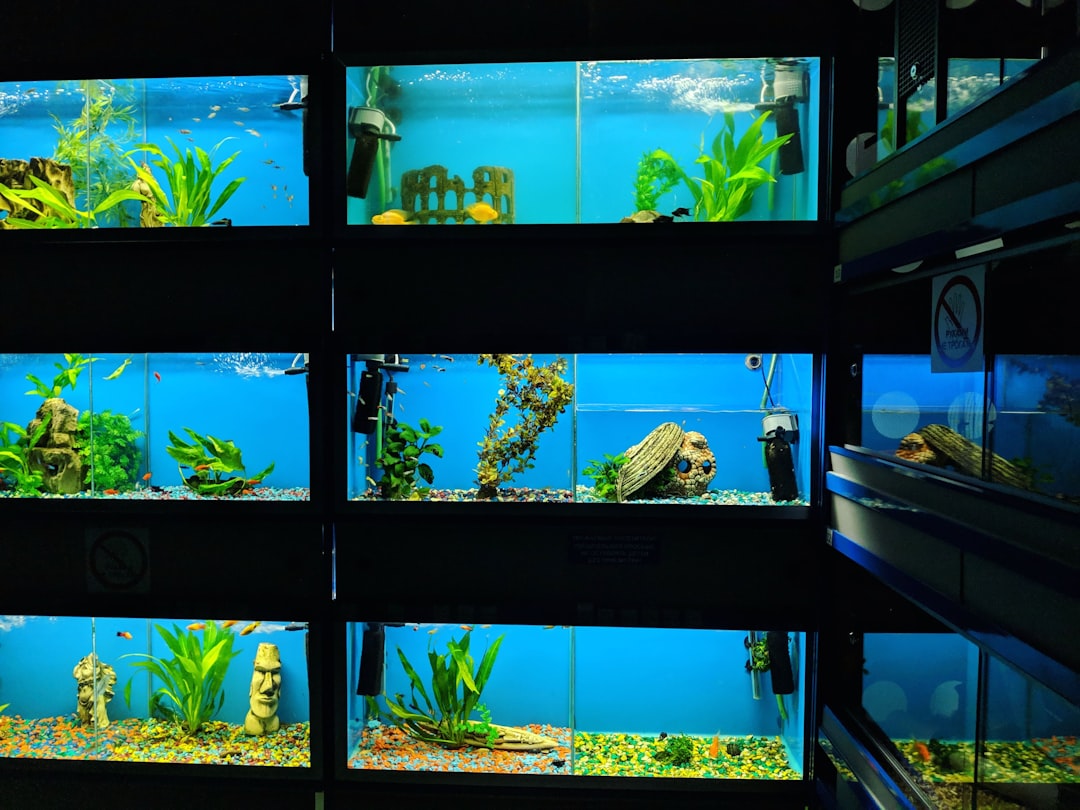
If you have ever wrestled with a siphon that refuses to start, a submersible water change pump will feel like a revelation. These small powerheads sit inside the tank and push water out through a hose, eliminating the need for mouth-siphoning or priming bulbs. At Gensou Aquascaping in Singapore, we switched most of our maintenance rigs to submersible pumps years ago and never looked back. This guide covers the key specs, our top picks, and practical tips for choosing the best submersible water change pump aquarium hobbyists in the tropics can rely on.
Why Use a Submersible Pump for Water Changes?
Gravity siphons work, but they demand that your drain point sits lower than the tank. In an HDB flat where the nearest floor drain may be in the bathroom, that height difference is not always easy to manage. A submersible pump pushes water upward and across rooms, giving you freedom to drain into a pail, a sink, or straight out a window into a planter box. Speed is the other advantage: a 3,000 L/h pump empties 20 per cent of a 300-litre tank in roughly two minutes, far faster than gravity alone.
Key Specifications to Compare
Flow rate matters most. For tanks under 100 litres, a pump rated around 1,000-1,500 L/h is plenty. Larger setups of 200 litres and above benefit from 2,500-4,000 L/h. Check the maximum head height too, which tells you how high the pump can push water vertically. A head of 2 metres covers most HDB bathroom-drain scenarios comfortably.
Hose outlet diameter is easy to overlook. Most pumps accept 12 mm or 16 mm tubing. Match this to the hose you already own, or budget $3-5 for an adapter. Suction cups or magnetic mounts keep the pump stable during draining, so look for models with secure attachment.
Top Picks for Singapore Hobbyists
The Eheim CompactON 2100 delivers 2,100 L/h in a remarkably quiet package. Its adjustable flow control lets you slow things down for smaller tanks without swapping the pump. Expect to pay around $55-70 on Shopee or Lazada.
For budget-friendly reliability, the Sobo WP-3200 pushes 1,800 L/h and costs under $20. Build quality is basic, but many local hobbyists run them for years with no failures. The suction cups grip glass walls well.
At the higher end, the Sicce Syncra Silent 3.0 offers 2,700 L/h with an almost inaudible motor, ideal if your tank sits in a bedroom or living room. It retails around $80-100 from specialist shops along Serangoon North Avenue 1.
Hose Length and Routing Tips
Buy more hose than you think you need. A 5-metre length gives enough slack to route from a living room tank to a kitchen sink or toilet without kinking. Clear PVC hose in 12 mm internal diameter is cheap, typically $1.50 per metre at most hardware shops. Avoid sharp bends, which restrict flow and stress the pump motor. A gentle curve around a door frame is fine; a tight U-turn is not.
Using the Pump Safely
Never run a submersible pump dry, even for a few seconds. The impeller relies on water for lubrication and cooling. Once the water level drops near the pump, switch it off immediately. Plug the pump into a socket with an RCD trip for added safety, especially if you keep the pump submerged between uses. After each session, rinse the impeller chamber with tap water to prevent salt or mineral build-up.
Draining Versus Refilling
Some hobbyists use the same pump to refill by placing it in a clean pail of dechlorinated water and pumping back into the tank. This works well, but ensure your pail is stable on a flat surface. A knocked-over pail during refilling creates the kind of floor flood that strains relationships with downstairs neighbours in Singapore apartments. Placing the pail inside a shallow plastic tray adds a layer of protection.
Maintenance and Longevity
Submersible pumps need minimal care. Every month or so, pull the impeller out and wipe away any biofilm or calcium deposits. Soak stubborn build-up in white vinegar for 30 minutes, then rinse. Replace suction cups once they harden and lose grip, usually every 12-18 months. With basic upkeep, a quality pump lasts three to five years of weekly water changes.
Matching Pump to Tank Size
Oversizing is rarely a problem because you control how long the pump runs. Undersizing, however, turns a quick maintenance session into a drawn-out chore. As a rough guide: nano tanks up to 40 litres suit 600-1,000 L/h pumps, medium tanks of 60-150 litres pair well with 1,500-2,500 L/h, and anything above 200 litres deserves 3,000 L/h or more. When in doubt, size up. Your future self will appreciate the faster water changes. For personalised recommendations, the team at Gensou Aquascaping is always happy to help you find the right fit.
Related Reading



