
Best Aquarium Notebooks and Journals for Parameter Logging
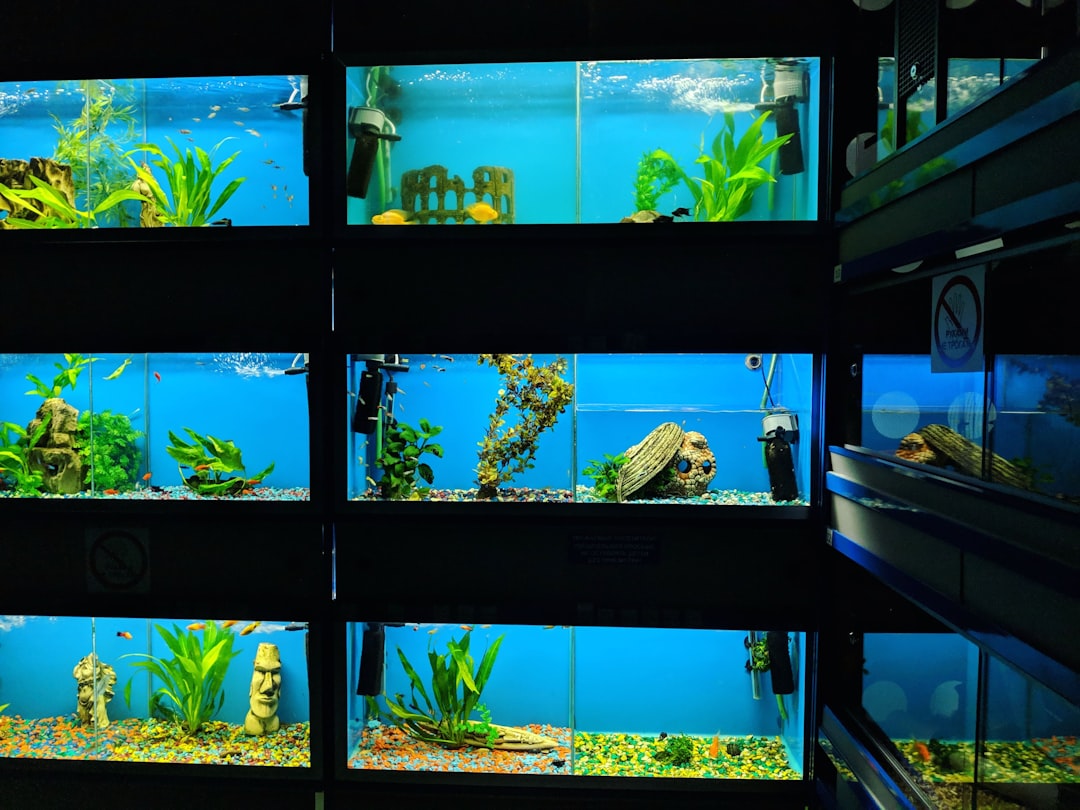
Keeping a written log of your tank parameters sounds old-fashioned until the day something goes wrong and you wish you had a record. The best aquarium notebook and journal for logging gives you a clear timeline of pH swings, temperature shifts, dosing schedules, and livestock changes. At Gensou Aquascaping in Singapore, we maintain logs for every client tank, and those records have saved countless fish by revealing slow-moving problems before they become emergencies. Here is how to choose and use a logging journal effectively.
Why Paper Logging Still Wins
Apps and spreadsheets are useful, but a waterproof notebook sitting next to the tank gets filled in far more consistently than a phone app buried three screens deep. The physical presence of the journal acts as a reminder. You test, you write, you move on. No login, no loading screen. Paper also survives phone upgrades, app discontinuations, and accidental deletions that digital records do not.
What to Record
At minimum, log the date, temperature, pH, ammonia, nitrite, and nitrate after every test. Add GH and KH if you keep shrimp or soft-water species. Note water change volume and any additives: fertiliser dose, dechlorinator brand, buffer amounts. Record livestock additions and removals with dates. Over weeks, patterns emerge. A gradual pH drop might point to exhausted buffering substrate. A slow nitrate climb could mean you are overfeeding. These trends are invisible without historical data.
Dedicated Aquarium Journals
A few brands produce journals specifically for fishkeeping. The Aquanote Aquarium Log Book (available on Amazon, ships to Singapore for around $18-22) includes pre-printed columns for common parameters, space for livestock inventories, and monthly summary pages. The layout saves time because you fill in values rather than drawing tables from scratch.
The Deep Blue Aquarium Journal takes a more free-form approach with dotted grid pages, letting you design your own tracking layout. At about $15, it suits hobbyists who want flexibility.
DIY Option: Waterproof Field Notebooks
If you prefer something rugged, Rite in the Rain all-weather notebooks handle splashes without smudging. The 10 cm x 15 cm pocket size fits neatly beside the tank stand. At around $12-15 from stationery shops or Lazada, they are built for fieldwork and handle Singapore’s humidity without pages curling. Use a pencil or a Fisher Space Pen for best results on the treated paper; regular ballpoint ink can bead up.
Structuring Your Log for Maximum Usefulness
Consistency matters more than detail. Decide on a format and stick with it. A simple table with date across the top and parameters down the side works well. Leave a margin for brief notes like “added 6 Boraras brigittae” or “increased CO2 by 0.5 bps.” Review your log monthly. Look for correlations: did algae appear two weeks after you increased the light period? Did shrimp deaths follow a particular water change routine? The aquarium journal becomes your diagnostic tool.
Digital Backup Tips
Snap a photo of each completed page and store it in a cloud folder. This takes five seconds and gives you a searchable backup if the physical notebook is lost or damaged. Some hobbyists use Google Sheets alongside their paper log, entering data weekly. The spreadsheet handles graphing and trend analysis better than paper, while the notebook handles daily convenience.
Common Logging Mistakes
Recording only when things go wrong defeats the purpose; you need the baseline of normal readings to spot deviations. Another mistake is logging parameters but not actions. Knowing your nitrate was 40 ppm is useful; knowing it was 40 ppm because you skipped two water changes is actionable. Finally, do not buy an elaborate journal and then feel pressured to fill every field. A half-filled log used consistently beats a perfect template abandoned after two weeks. Gensou Aquascaping encourages every client to start simple and expand their logging as they gain confidence.
Related Reading



