
Aquascaping With Nymphaea Only: Lily Pad Feature Tanks
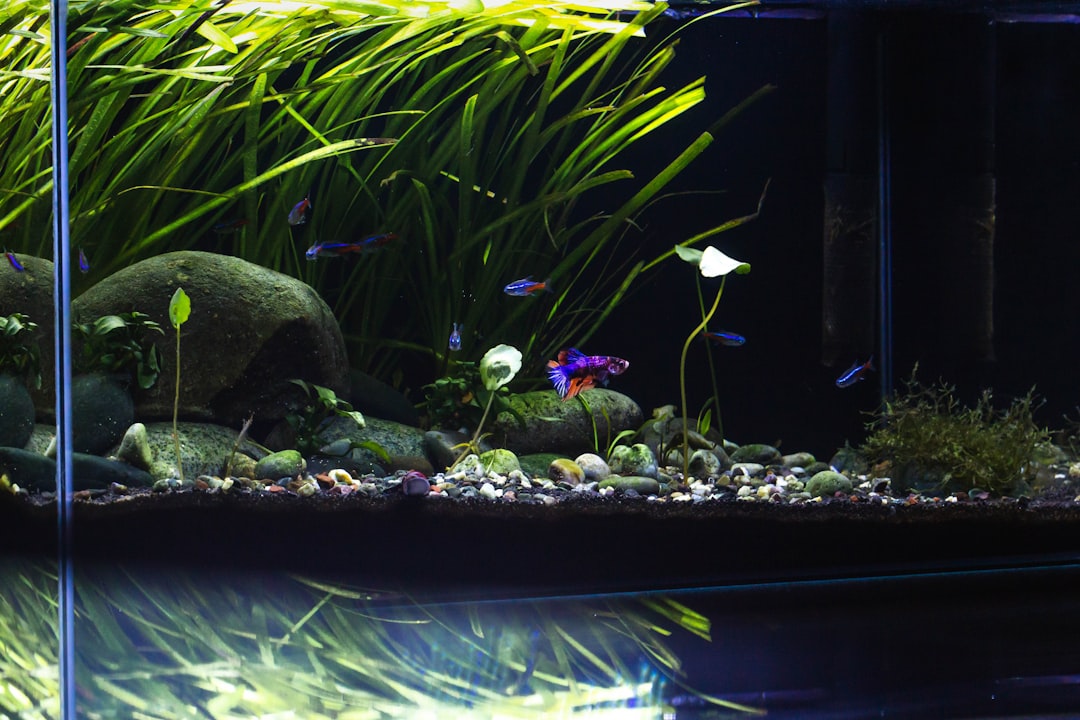
There is something magnetic about a tank where lily pads float on the surface and slender stems reach upward from bulbs nestled in the substrate. An aquascape with nymphaea only strips away the usual complexity of planted tanks and lets a single genus command the entire space. Gensou Aquascaping in Singapore has designed several lily-focused tanks for clients, and the results are always striking. This guide walks you through species choices, setup, and the care details that make a nymphaea-only tank thrive.
Why a Single-Genus Approach Works
Limiting your plant palette to one genus forces you to rely on form, colour variation, and negative space rather than species diversity. Different Nymphaea varieties offer red, green, and mottled leaves, compact rosettes and spreading pads, creating visual interest without clutter. The simplicity reads as intentional and elegant rather than empty. It also simplifies care because every plant in the tank shares similar nutrient and lighting requirements.
Best Nymphaea Species for Aquariums
Nymphaea lotus (tiger lotus) is the most widely available and forgiving species. The red variant produces stunning burgundy leaves with darker tiger-stripe patterns, while the green form offers lighter, broader pads. Nymphaea stellata features narrower leaves and sends up lily pads more readily, ideal if surface coverage is your goal. Nymphaea micrantha stays smaller and produces adventitious plantlets on its leaves, a fascinating feature that adds wild character. Most are available from local Singapore shops for $5-12 per bulb.
Tank Size and Layout
Nymphaea grow large. A single N. lotus bulb can produce a rosette 30 cm across with pads reaching the surface in a 45 cm tall tank within weeks. Plan for a minimum of 60 litres, ideally 100 litres or more. Place bulbs with enough spacing for each plant to develop its full rosette without overlapping at the substrate level, roughly 15-20 cm between bulbs. An odd number of plants, three or five, arranged asymmetrically creates natural-looking composition.
Substrate and Nutrition
Nymphaea are heavy root feeders. A nutrient-rich substrate like ADA Amazonia or Tropica Aquarium Soil provides the base. Supplement with root tabs pushed into the substrate near each bulb every six to eight weeks. Osmocote Plus capsules work well as a budget alternative, costing under $5 for a year’s supply. Liquid column fertilisation is less critical for this setup since the plants draw most nutrients through their roots, but a lean weekly dose of micronutrients prevents deficiencies in new growth.
Lighting Requirements
Moderate lighting of 40-60 PAR at substrate level supports healthy growth without pushing the plants to bolt toward the surface excessively. Too much light accelerates pad production at the expense of attractive submerged foliage. If you want to maintain beautiful underwater leaves rather than a surface full of pads, keep light moderate and trim pads as they form. A warm colour temperature of 3500-4500K flatters the red and bronze tones of Nymphaea lotus leaves.
Managing Surface Pads
Left unchecked, nymphaea will cover the entire surface with floating pads, blocking light to the submerged leaves below. Decide on your preferred look: full surface coverage for a pond aesthetic, or controlled trimming to maintain a mix of submerged and floating foliage. To trim, cut the stem of each unwanted pad close to the bulb with sharp scissors. New pads will replace them within days, so this becomes a weekly task. Allowing 30-50 per cent surface coverage strikes a good balance.
Fish and Companions
Lily pads provide natural shade and cover that many fish appreciate. Small gouramis like Trichogaster chuna (honey gourami) build bubble nests among the pads. Tetras and rasboras school beneath the surface layer, darting between stems. Avoid large cichlids or goldfish that uproot bulbs. For the substrate, Corydoras catfish work well as they do not disturb established bulbs. Shrimp are compatible but may nibble on soft new leaves if underfed.
Seasonal Behaviour and Dormancy
Some nymphaea species enter a dormancy period where growth slows and older leaves die back. This is natural, not a sign of failure. Reduce fertiliser dosing during dormancy and avoid the temptation to increase light. The bulb stores energy and will push new growth within a few weeks. In Singapore’s consistently warm climate, dormancy periods tend to be shorter and less pronounced than in temperate regions. Gensou Aquascaping advises patience during these phases; the regrowth is often more vigorous than the original flush.
Related Reading



