Aquascaping With Aponogeton Only: Wavy Leaf Showcase
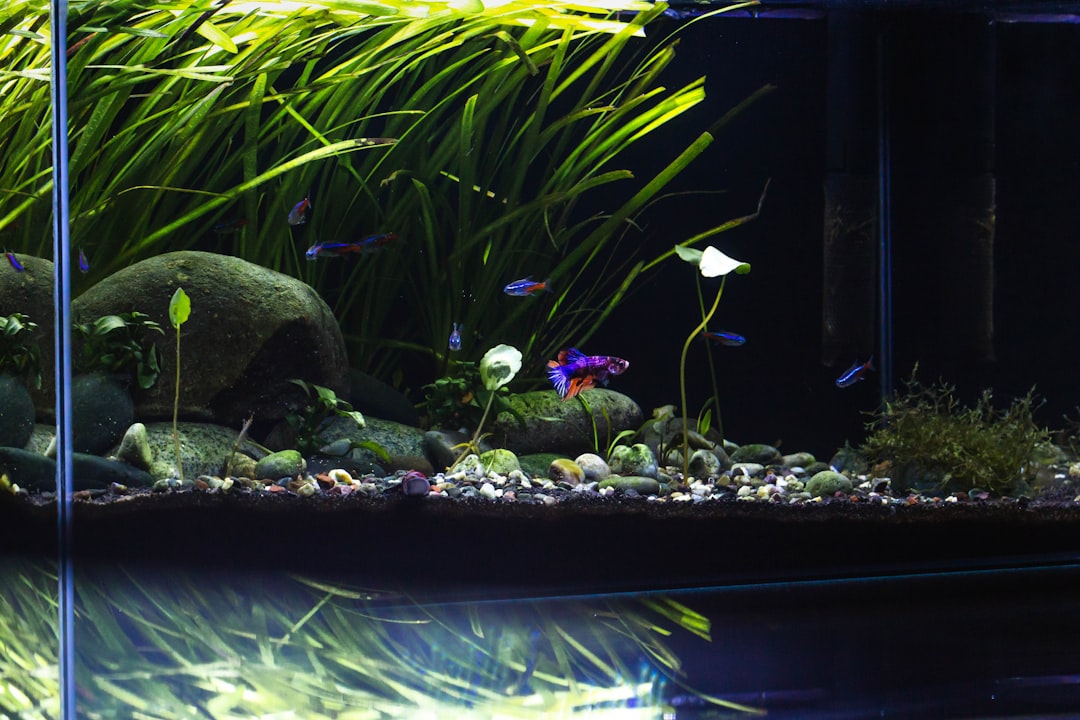
Few aquarium plants match the theatrical movement of Aponogeton leaves swaying in a gentle current. An aquascape with aponogeton only turns this drama into the entire show, featuring rippling, translucent foliage that catches light like stained glass. At Gensou Aquascaping in Singapore, we have used aponogeton-focused layouts in both residential and commercial displays to stunning effect. Here is how to build and maintain a tank devoted to this remarkable genus.
What Makes Aponogeton Special
Aponogetons grow from tubers or bulbs, producing long, flowing leaves that range from ruffled to lace-like depending on the species. Their growth rate is fast, with some species adding a new leaf every two to three days under good conditions. The leaves are semi-transparent, creating layered depth as light passes through overlapping foliage. Unlike many aquarium plants, several aponogeton species flower readily, sending spikes above the water surface with small white or purple blooms.
Best Species for a Showcase Tank
Aponogeton crispus is the easiest to find locally, with broad, wavy-edged leaves that grow 20-30 cm long. It tolerates a wide range of conditions. Aponogeton ulvaceus produces spectacular translucent lime-green leaves with heavily ruffled margins, one of the most visually dramatic aquarium plants available. Aponogeton boivinianus offers thick, dark green hammered leaves that contrast well with the lighter species. For something extraordinary, Aponogeton madagascariensis (lace plant) has skeletonised leaves that look almost otherworldly, though it demands cooler water around 22-24°C.
Tank Dimensions and Flow
Aponogetons produce long leaves that need vertical space. Choose a tank at least 40 cm tall; 45-50 cm is better for A. ulvaceus, whose leaves can exceed 40 cm. A 90 cm x 45 cm x 45 cm layout (roughly 180 litres) comfortably houses five to seven bulbs with room for each plant to express its full form. Gentle flow from a hang-on-back or canister filter outlet encourages the leaves to sway, which is half the appeal. Avoid strong directional current that flattens the foliage against one side.
Substrate and Feeding
Rich substrate is essential. Aponogeton bulbs are heavy root feeders that deplete nutrients quickly during growth spurts. Use a 5-7 cm layer of nutrient substrate, supplemented with root tabs every four to six weeks near each bulb. Iron-rich tabs are particularly beneficial, as aponogetons show iron deficiency through pale new leaves. Liquid fertilisation with a comprehensive micro mix supports the leaf tissue directly. Budget around $10-15 per month for fertiliser costs on a dedicated tank.
Lighting and Colour
Moderate lighting brings out the best translucency in aponogeton leaves without promoting excessive algae on the broad leaf surfaces. Aim for 40-50 PAR at substrate level. A colour temperature of 6000-6500K highlights the green and amber tones, though dropping to 4500K creates a warmer, moodier look. Run lights for 7-8 hours daily. Longer photoperiods encourage algae on the slow-growing A. boivinianus leaves, which are difficult to clean without tearing.
Managing Dormancy Cycles
Most aponogeton species cycle through growth and dormancy. After several months of vigorous leaf production, the plant may shed its foliage and the bulb appears to die. It has not. This dormancy phase lasts two to eight weeks. Some hobbyists remove the bulb and store it in a sealed bag of damp sand in the refrigerator at 15-18°C for four weeks to simulate a cool season, then replant. In Singapore’s warm climate, this chilling trick often produces stronger regrowth. Not all species require it, though. A. crispus sometimes skips dormancy entirely under stable tropical conditions.
Fish That Complement the Look
Choose fish that occupy the mid-water column where they are framed by the flowing leaves. A school of 10-12 Trigonostigma heteromorpha (harlequin rasbora) weaving between aponogeton stems is a classic Singapore community tank sight. Avoid herbivorous species that chew soft leaves: silver dollars, large barbs, and some plecos are poor choices. Bottom dwellers like Corydoras pygmaeus add activity without interfering with the plants.
Why This Style Deserves More Attention
The aponogeton-only aquascape is underrepresented in contests and social media, which makes it a chance to stand out. The flowing, rhythmic movement of the leaves creates a meditative quality that static hardscape-heavy designs cannot match. Maintenance is straightforward once you understand the dormancy cycle. Gensou Aquascaping encourages hobbyists looking for something different to give this genus-focused approach a try. The wavy leaf showcase rewards you with a living, breathing underwater garden that changes shape with every current.
Related Reading