
Sewellia Lineolata Care Guide: Reticulated Hillstream Loach
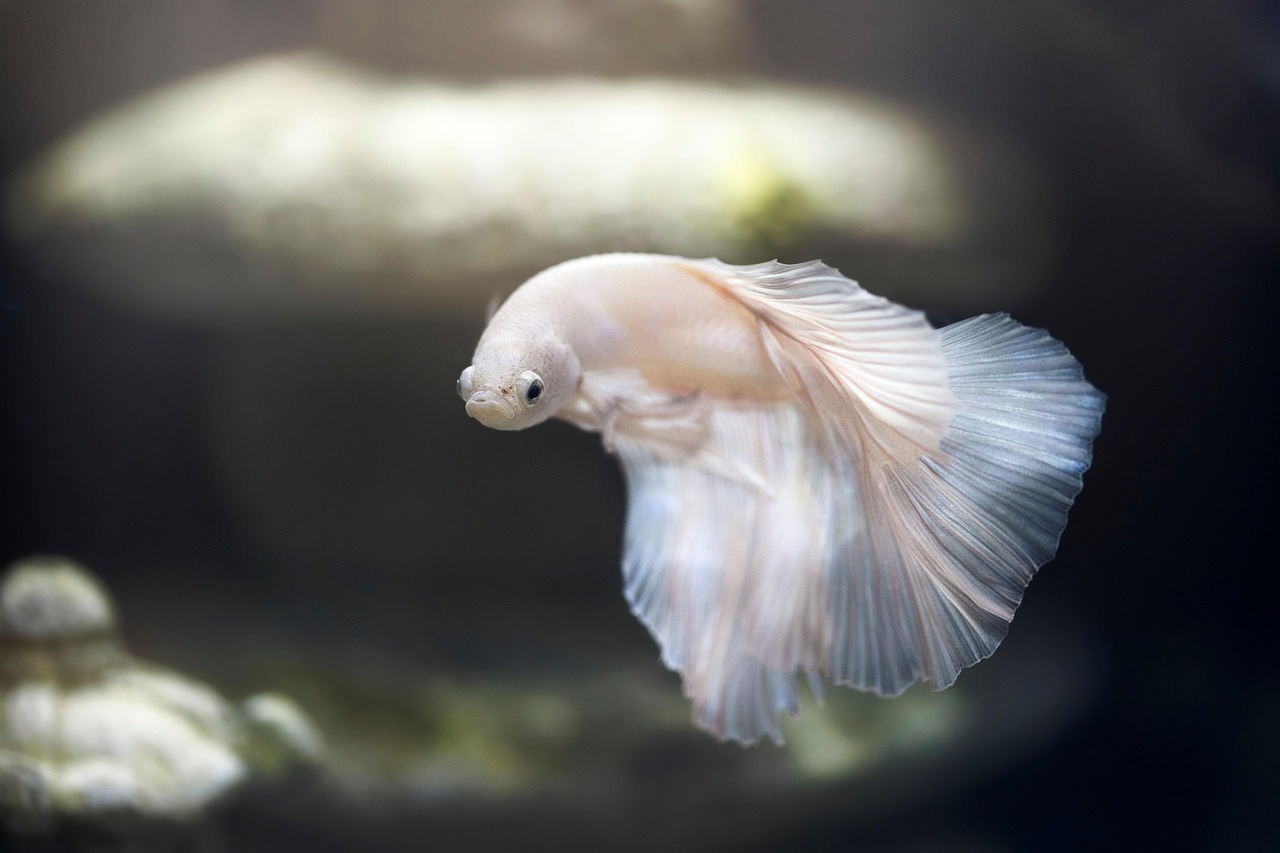
Sewellia lineolata is one of those species that stops experienced aquarists mid-scroll. Its reticulated cream-and-brown pattern, sucker-like underside, and preference for fast-moving water make it unlike almost anything else in the freshwater hobby. A proper sewellia lineolata hillstream loach guide must address the single most important factor: high flow. Without it, these fish languish and die slowly. This guide from Gensou Aquascaping at 5 Everton Park, Singapore, covers how to replicate their natural biotope conditions and keep them thriving.
Natural Habitat and Why It Matters
Sewellia lineolata originates from fast-flowing, highly oxygenated streams in Vietnam — the Mekong river system and its tributaries in the central highland regions. Water there is cool (20–24°C), crystal clear, and moves fast enough to polish smooth the rocks on the streambed. The fish are morphologically adapted to this: their flattened body, broad pectoral fins, and sucker-like mouth allow them to cling to rocks in strong currents. Remove that current and their reason for existing disappears.
Tank Setup and Flow Requirements
Aim for total turnover of 15–20 times the tank volume per hour. In a 60-litre tank, that means a combined flow of 900–1200 litres per hour from one or more powerheads or a powerful canister return positioned along the back glass. Create a one-directional flow along the tank’s long axis with a calmer zone at one end — this mimics a natural stream where fish move between fast and slower water. Smooth river stones and pebbles of various sizes make ideal substrate; avoid sharp gravel that may abrade their undersides.
A long, shallow tank (90 cm or more in length, 30–35 cm tall) suits Sewellia better than tall designs. More surface area means more grazing territory and more space for the current to develop properly.
Temperature and Water Parameters
This is where Sewellia diverge sharply from most tropical species kept in Singapore. They require 20–24°C — well below the ambient room temperature in Singapore’s climate. A chiller is not optional; it is mandatory. Running a dedicated hillstream tank with a quality chiller (Teco or Hailea units are commonly used locally) adds $300–600 SGD to setup cost but is the difference between fish that thrive and fish that slowly deteriorate.
Water quality targets: pH 6.5–7.5, GH 5–12 dGH, and dissolved oxygen as high as possible — achieved through surface agitation and strong flow rather than air stones alone. Zero ammonia and nitrite are essential; these fish have very little tolerance for water quality lapses.
Diet and Feeding
Sewellia lineolata are biofilm and aufwuchs grazers. In a mature tank with smooth rocks, they spend most of their day grazing the surface biofilm. Supplement this with algae wafers, blanched courgette, and sinking vegetable-based pellets. Spirulina-based foods work well. Offer foods in the evening when Sewellia are most active; they feed best in dim conditions with strong flow.
Protein-based foods like bloodworm can be offered occasionally — perhaps twice a week — but a vegetable-heavy diet better matches their natural food sources. Overfeeding is a genuine risk; their small size (4–6 cm adult) means they need less than you might think.
Social Behaviour and Tankmates
Sewellia are social and do best in groups of five or more. Males display to each other and to females by spreading their pectoral fins and performing push-up-like movements — entertaining behaviour that is suppressed in solitary specimens. Aggression between males is usually mild; chases and posturing replace actual injury in most cases.
Compatible tankmates must share the same temperature requirements: White Cloud Mountain Minnows (Tanichthys albonubes), hillstream loaches of other species, and small danio species are natural companions. Avoid tropical community fish that require 26–28°C — the temperature mismatch makes cohabitation unsustainable.
Breeding in Captivity
Breeding has been achieved but remains uncommon. Males spawn with females by clasping alongside them; eggs are deposited on flat rock surfaces in moderate to high flow. Fry require high-quality biofilm to feed on, making well-established tanks with a healthy rock surface the prerequisite. A temperature drop of 2–3°C in the water cooler can trigger spawning behaviour — some keepers achieve this seasonally to mimic their natural dry/wet season cycle.
Is Sewellia Right for Your Setup?
This sewellia lineolata hillstream loach guide comes with a clear qualifier: these fish demand specific infrastructure that standard tropical community tanks cannot provide. If you are willing to invest in a chiller and high-flow equipment, and set up a dedicated coolwater stream biotope, Sewellia repay the effort with extraordinary visual appeal and captivating natural behaviour. They are not beginner fish — but for an experienced aquarist ready for a new challenge, few species are more rewarding.
Related Reading
- Hillstream Loach Species Comparison: Sewellia, Beaufortia and Gastromyzon
- Clown Loach Care Guide: The Gentle Giant That Clicks
- Clown Loach Growth Rate and Tank Size: Planning for Adult Size
- How to Breed Dwarf Chain Loach: Ambastaia Sidthimunki Spawning Tips
- Dwarf Chain Loach Care Guide: Tiny, Social and Snail-Hungry



