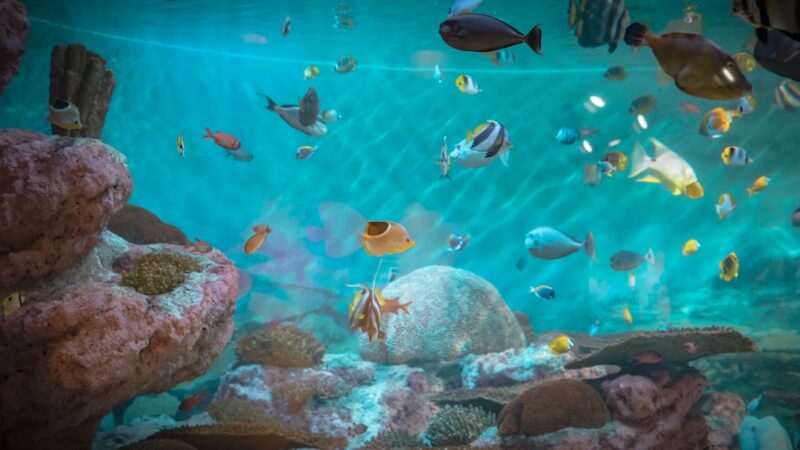
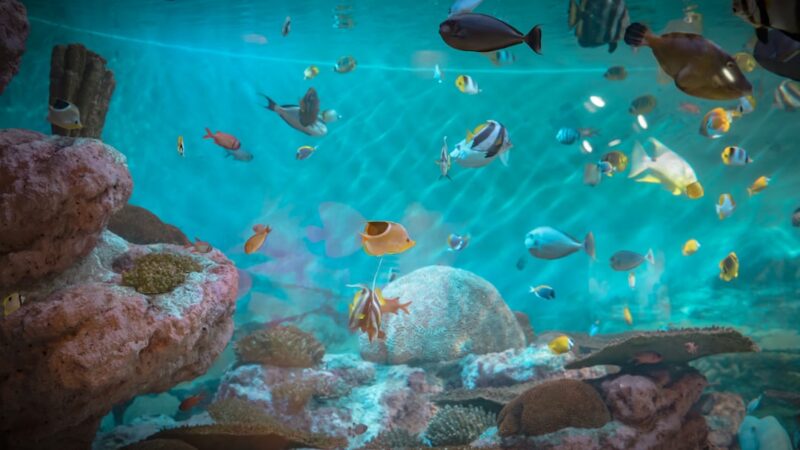
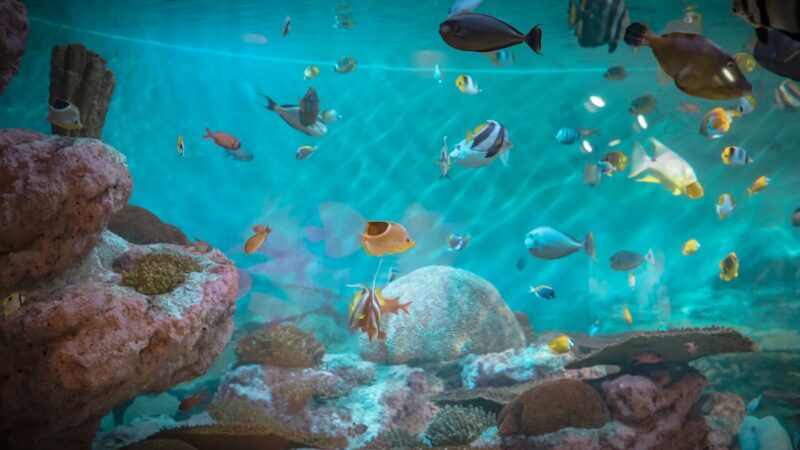
Aquarium for Co-Working Offices in Singapore: Shared Calm
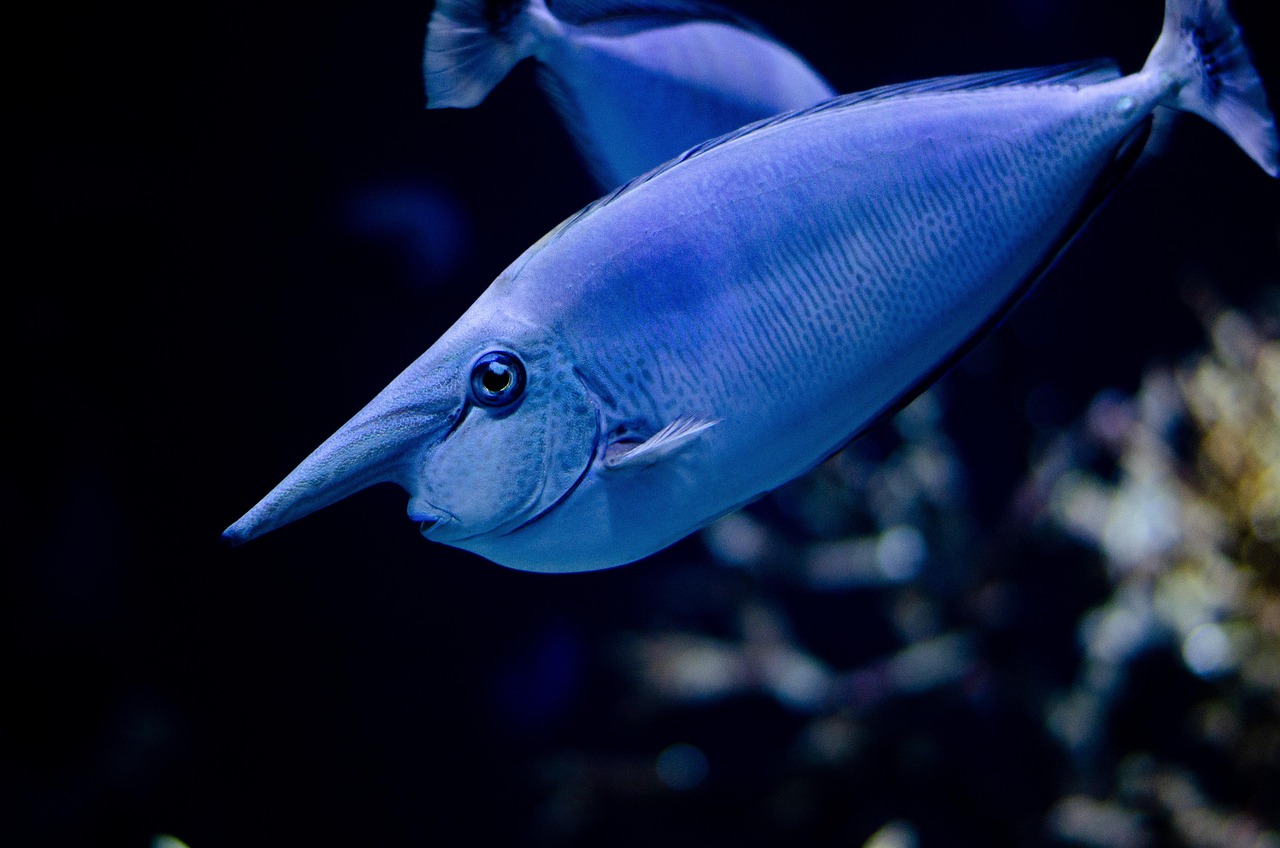
Co-working spaces are designed around productivity, and an aquarium in a co-working office adds something that ergonomic chairs and standing desks cannot: genuine calm. Research consistently shows that watching fish reduces cortisol levels and increases focus — and in Singapore’s dense, fast-paced working environment, that effect is particularly valuable. This guide from Gensou Aquascaping at 5 Everton Park, Singapore, walks through everything a co-working space operator needs to know before installing a display tank that impresses tenants and stays manageable long-term.
Why Aquariums Work in Shared Workspaces
Unlike art or plants, a living aquarium changes constantly — there is always something to notice, however briefly. That micro-distraction offers genuine cognitive rest, the kind that comes from shifting attention to something calm and non-demanding for 30 seconds. Studies from the University of Exeter found that even brief exposure to aquarium environments reduced heart rate and blood pressure. For co-working operators competing on atmosphere and tenant experience, a well-maintained display tank is a differentiator that photographs well for social media and generates organic word-of-mouth.
Choosing the Right Tank Size and Style
For a co-working space serving 20–60 members, a tank of 200–400 litres makes visual sense without dominating the room. Aquariums below 100 litres tend to look modest in commercial spaces and require more frequent maintenance due to smaller water volume. A shallow, wide format — sometimes called an iwagumi or Dutch-style display — works well as a room divider or lobby centrepiece. For high-traffic areas, an acrylic tank is safer than glass; acrylic is significantly lighter and more impact-resistant, important when the tank shares space with active foot traffic.
Consider a sump-based filtration system hidden in a cabinet below the display. This keeps equipment out of sight, provides extra water volume for stability, and allows easy access for maintenance without disturbing the display area.
Species That Suit a Co-Working Environment
Choose robust, visually striking species that handle the variable of multiple people observing the tank from different angles and distances throughout the day. Large schools of peaceful mid-water fish are ideal — a group of 30–50 rummy-nose tetras or cardinal tetras creates a constantly moving, cohesive display. Pearl gouramis (Trichopodus leerii) add size and elegance without aggression. Angelfish (Pterophyllum scalare) are classic office aquarium fish that command attention without demanding complex care. Avoid aggressive or territorial species that may fight visibly and disturb tenants.
Planted vs. Low-Maintenance Setups
A fully planted aquascape is visually stunning but demands CO2 injection, fertilisation, and regular trimming — not ideal unless you have a professional maintenance contract in place. A more practical option for most co-working operators is a low-tech planted tank using hardy, slow-growing species: Anubias, java fern (Microsorum pteropus), java moss, and Cryptocoryne varieties. These survive low light, require minimal dosing, and look elegant without constant intervention. Add quality driftwood and a simple rock arrangement and the result is professional without being high-maintenance.
Placement and Building Considerations
Weight is a critical consideration in Singapore’s commercial buildings. A 300-litre tank filled with water, substrate, and hardscape weighs approximately 400–450 kg including the cabinet. Most commercial floor ratings are 250–500 kg per square metre, but always verify with your building manager or structural engineer before installation, especially in older buildings or upper-floor suites. Position the tank away from direct air-conditioning vents, which cause temperature fluctuation and excessive evaporation, and away from windows with direct sun exposure, which triggers algae blooms.
Maintenance Planning for Busy Spaces
The most common mistake operators make is underestimating the maintenance commitment. A 300-litre tank in a co-working environment needs a weekly water change of 20–30%, glass cleaning, filter media inspection monthly, and periodic plant trimming. Gensou Aquascaping offers commercial maintenance contracts that cover all of this on a scheduled basis, with emergency call-outs available. For operators who prefer in-house maintenance, we provide a training session and a simple SOP document with weekly tasks that any responsible team member can follow.
Budget Expectations in Singapore
A professionally installed display tank for a co-working space — including the aquarium, cabinet, filtration, lighting, hardscape, plants, and initial livestock — typically starts at around $2,000–$4,000 for a 200-litre setup and $5,000–$8,000 for a larger 350–500 litre installation. Ongoing maintenance contracts run $150–$400 per month depending on tank complexity and visit frequency. These figures include sourcing from reputable local fish suppliers and using quality equipment, not budget imports. An aquarium that looks stunning and stays healthy is an investment, and cutting corners on setup typically leads to higher costs from remediation down the line.
Related Reading