Best Feeding Dishes for Shrimp Aquariums
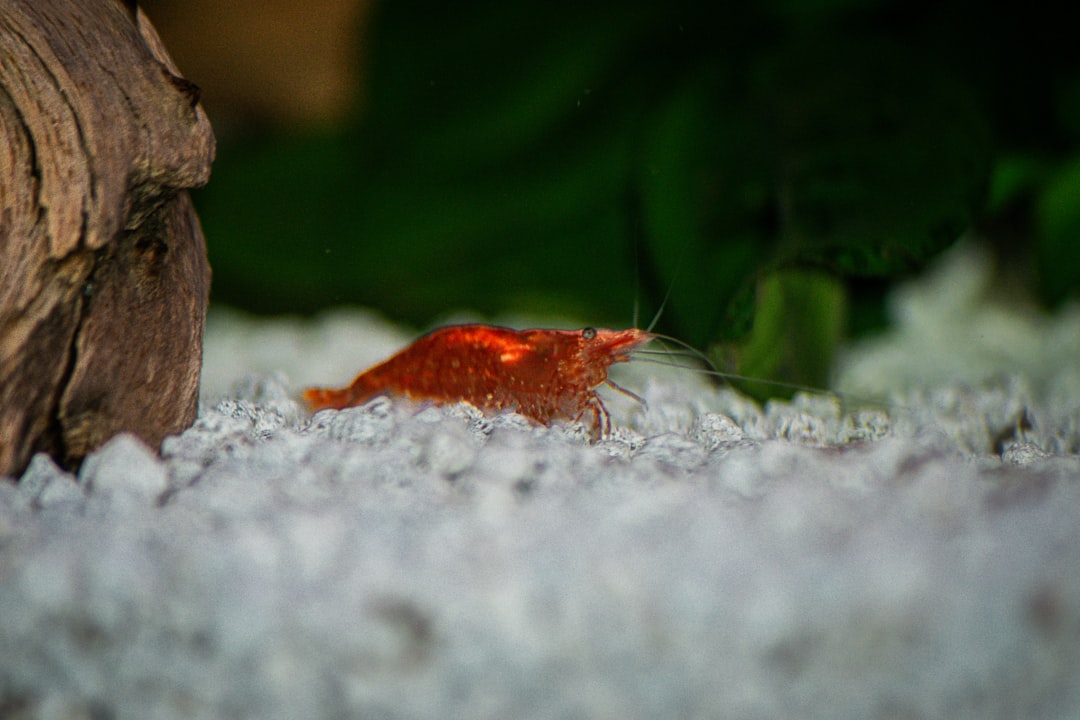
Feeding shrimp directly into the substrate creates problems that a simple feeding dish solves entirely: uneaten food decomposes, spikes ammonia, and fuels algae and pest populations. The best feeding dish for a shrimp aquarium keeps food contained, lets you monitor how much your colony is consuming, and removes easily during cleanup. This guide from Gensou Aquascaping at 5 Everton Park, Singapore, covers what to look for in a shrimp feeding dish and how the main options compare in practice.
Why a Feeding Dish Matters in Shrimp Tanks
Dwarf shrimp — Neocaridina davidi, Caridina cantonensis, and their relatives — are small enough that a pinch of food scattered across a substrate can disappear into gaps between gravel particles, remaining out of reach while still decomposing. In a shrimp-only tank without fish to compete for food, this is a significant water quality issue. A feeding dish centralises the food, allowing all shrimp to locate it quickly (they will congregate on and around the dish naturally), and lets you remove any uneaten portion after two to three hours without disrupting the substrate.
Ceramic and Terracotta Dishes
Unglazed terracotta or food-grade ceramic dishes are among the most popular choices for shrimp keepers, and for good reason. They are heavy enough to stay in place even when covered by a dozen foraging shrimp, carry no risk of leaching chemicals, and develop a thin biofilm coating over time that shrimp graze on between feeding sessions. Small terracotta saucers — the type sold for plant pots — cost just $1–3 at most Singapore hardware stores and nurseries. At that price, you can place two or three in a larger shrimp tank to reduce competition during feeding, particularly useful in densely populated colonies of 50 or more shrimp.
Glass and Acrylic Petri Dishes
Laboratory petri dishes — either borosilicate glass or food-grade acrylic — make excellent shrimp feeding dishes. They are flat, clear, easy to spot food on, and easy to lift out during cleanup. At 60–90 mm diameter, they suit tanks from nano to medium. Glass petri dishes are heavier and stay put better; acrylic ones are lighter and can be nudged by shrimp activity in a well-populated tank. Both are inert and safe for aquarium use. Available in Singapore from laboratory suppliers and some aquarium shops, or online from Lazada and Shopee for $2–8 per dish.
Specialised Shrimp Feeding Dishes
The aquarium hobby has produced a category of purpose-designed shrimp feeding dishes — typically small clear acrylic or glass bowls with slightly raised sides to keep food contained, sometimes with a central column or pillar that shrimp can climb for feeding access from multiple angles. ADA’s Wabi-Kusa feeding dishes and similar offerings from Taiwanese and Chinese brands are available through Singapore aquarium retailers. These are functional and aesthetically considered for display tanks where a terracotta saucer would look out of place. Expect to pay $8–25 for a purpose-made dish versus $2–5 for a repurposed terracotta saucer — whether the aesthetic difference justifies the price difference depends on your priorities.
Avoiding Common Feeding Dish Mistakes
The most frequent error is leaving food in the dish too long. Shrimp are thorough foragers and will consume food over 2–4 hours, but anything remaining after that point begins to decompose. Remove uneaten food promptly using a turkey baster — the preferred tool for shrimp keepers — which allows you to suck up soft pellets or powder food without disturbing the substrate or shrimp. Do not use a dish with sides so high that small shrimp (juveniles under 0.5 cm) cannot enter — this defeats the purpose and concentrates feeding exclusively with adults. Clean the dish weekly by removing it, rinsing under dechlorinated water, and returning it. Do not use soap or any cleaning agents.
Placement in the Tank
Place the feeding dish in an open, visible area of the tank at the same location every feeding. Shrimp learn feeding locations through routine and will congregate in the area before food is even added after a few weeks. Avoid placing the dish directly under a strong filter current that scatters food immediately, and avoid placing it in the darkest corner of the tank where shrimp may not locate it efficiently. In planted tanks with heavy foreground planting, positioning the dish at the edge of an open substrate clearing ensures visibility and easy access for both shrimp and for you during cleanup. With a consistent placement and removal routine, a simple feeding dish is one of the most effective tools for managing water quality in any shrimp setup.
Related Reading