How to Build an Aquascape Maintenance Tool Kit
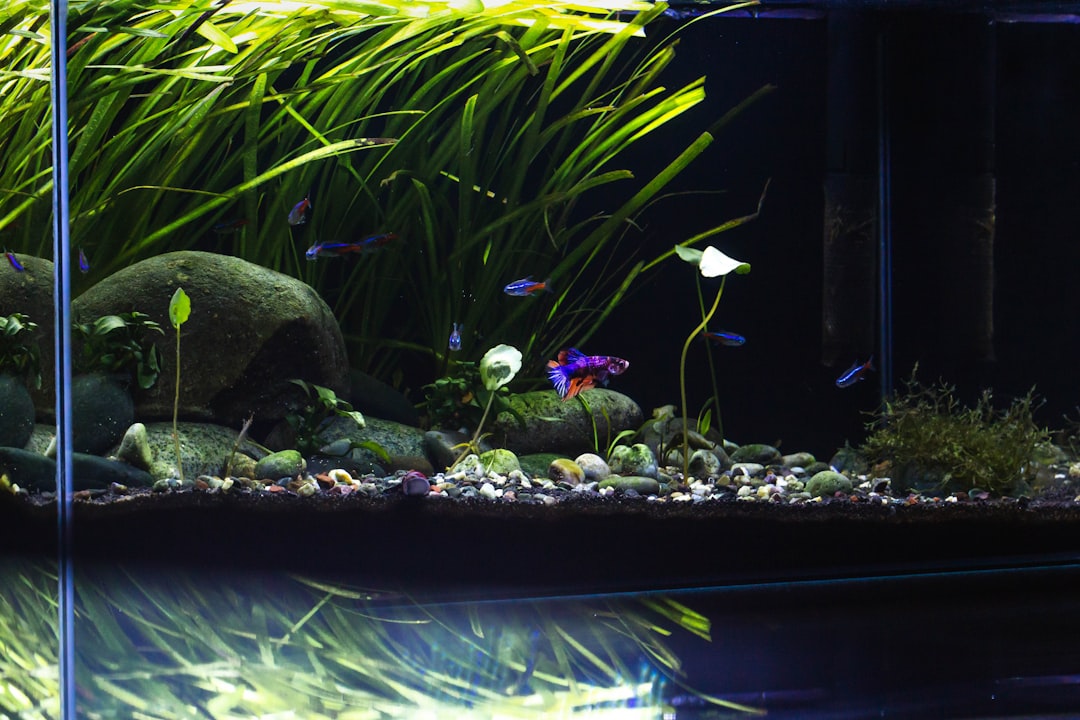
An aquascape without a proper maintenance kit deteriorates — overgrown, algae-smeared, detritus-buried — no matter how good the original design was. The tools you reach for weekly are as important as the initial layout, and using substandard equipment turns every maintenance session into a frustration. This guide from Gensou Aquascaping at 5 Everton Park, Singapore covers how to build a complete aquascape maintenance tool kit that covers every regular task, with recommendations across budget levels available in Singapore.
Scissors: The Most-Used Tool
Aquascaping scissors are used for trimming stem plants, removing dead leaves, cutting moss from hardscape, and shaping carpets — you will pick them up every single maintenance session. Invest here before anywhere else. Three types cover the full range of tasks. Straight scissors (20–25 cm long) handle broad stem plant trimming and surface cuts. Curved scissors (blade angled at roughly 45 degrees) reach into dense mid-ground plantings without disturbing the substrate. Spring scissors — self-opening, spring-loaded handles — allow one-handed trimming with greater control when your other hand is steadying the tank side or holding a net. A basic set of all three from brands like ANS, Jardli, or Aquatop costs $25–$45 from most Singapore aquascaping shops.
Tweezers: Planting and Precision Work
Straight tweezers (30 cm) handle most planting tasks — inserting individual stems, adjusting cryptocoryne positions, placing moss fragments. Curved tweezers work better for placing plants in tight spaces between hardscape elements. The key quality indicator is tip precision: the jaws must close flush and evenly at the tip, or you will crush stems rather than grip them. Wavy-tipped tweezers are sometimes marketed for fine moss work — the textured grip on the tips handles slippery plant material better than smooth jaws. Expect to spend $15–$35 for a reliable pair; cheap tweezers with misaligned tips cause more damage than they prevent.
Substrate and Detritus Tools
A long-handled substrate spatula or levelling tool is essential during setup and periodically thereafter when substrate slopes have shifted. For ongoing maintenance, a substrate vacuum (gravel siphon) with a fine-mesh head for planted tanks — narrow enough to vacuum between stem plants without uprooting them — is used weekly. The Python-style drain-and-refill systems are not common in Singapore but a simple bucket-and-siphon setup with a 16 mm diameter hose handles most home aquarium water changes efficiently. For foreground carpet maintenance, a thin pipette or turkey baster removes detritus lodged in low-growing plants without disturbing the carpet structure.
Algae Management Tools
A complete kit includes: a magnetic algae scraper for weekly glass cleaning; a long-handled scraper with replaceable blade for stubborn green spot algae on glass; a soft toothbrush (dedicated to tank use) for scrubbing algae from hardscape surfaces; and a pipe cleaning brush set (long, thin flexible brushes in multiple diameters) for cleaning glass inlet and outlet pipes. These four tools address every algae surface in a typical planted tank. Keep them together in a labelled bag or tray so they are always at hand — algae control is far easier when management is frequent and immediate rather than periodic and intensive.
Water Testing Equipment
Testing should be part of every maintenance routine, not an afterthought during a crisis. At minimum, an aquascape maintenance kit should include an API Master Test Kit or equivalent for ammonia, nitrite, nitrate, and pH. A GH/KH test kit is essential for shrimp tanks and planted systems where water hardness affects plant uptake. A reliable digital thermometer (not a stick-on strip — these are notoriously inaccurate) and a TDS meter round out the basic testing suite. The full set costs $50–$100 assembled from Shopee or from aquarium shops in the Serangoon North area.
Storage and Organisation
Tools stored loose in a drawer deteriorate quickly — scissor tips damage each other, tweezers get bent, test kits expire unnoticed. A dedicated maintenance caddy — a simple plastic toolbox or fabric roll-up pouch — extends tool life and makes weekly sessions faster. Store scissors with blade protectors (small rubber tip covers). Keep test kits in a sealed box away from direct sunlight, which degrades reagents. Label replacement reagent bottles with purchase date. In Singapore’s high humidity, metal tools stored openly in wet bathrooms or beside tanks rust faster than in air-conditioned rooms — store tools dry if possible.
Building the Kit Over Time
New aquascapers do not need everything immediately. Start with one good pair of straight scissors, a pair of straight tweezers, a substrate vacuum, and a magnetic scraper — this covers 80% of weekly maintenance tasks for under $60. Add curved scissors when you have a dense mid-ground planting that straight scissors cannot reach. Add pipe brushes when you install glass inlet and outlet pipes. Build the kit in response to actual needs rather than buying a comprehensive set upfront that sits unused. At Gensou Aquascaping, with over 20 years of hands-on experience, we have seen that the best-maintained tanks belong to hobbyists with a small, well-chosen kit used consistently — not those who own every tool available but reach for them irregularly.
Related Reading