Aquarium for Veterinary Clinic Waiting Rooms: Calm Nervous Pets
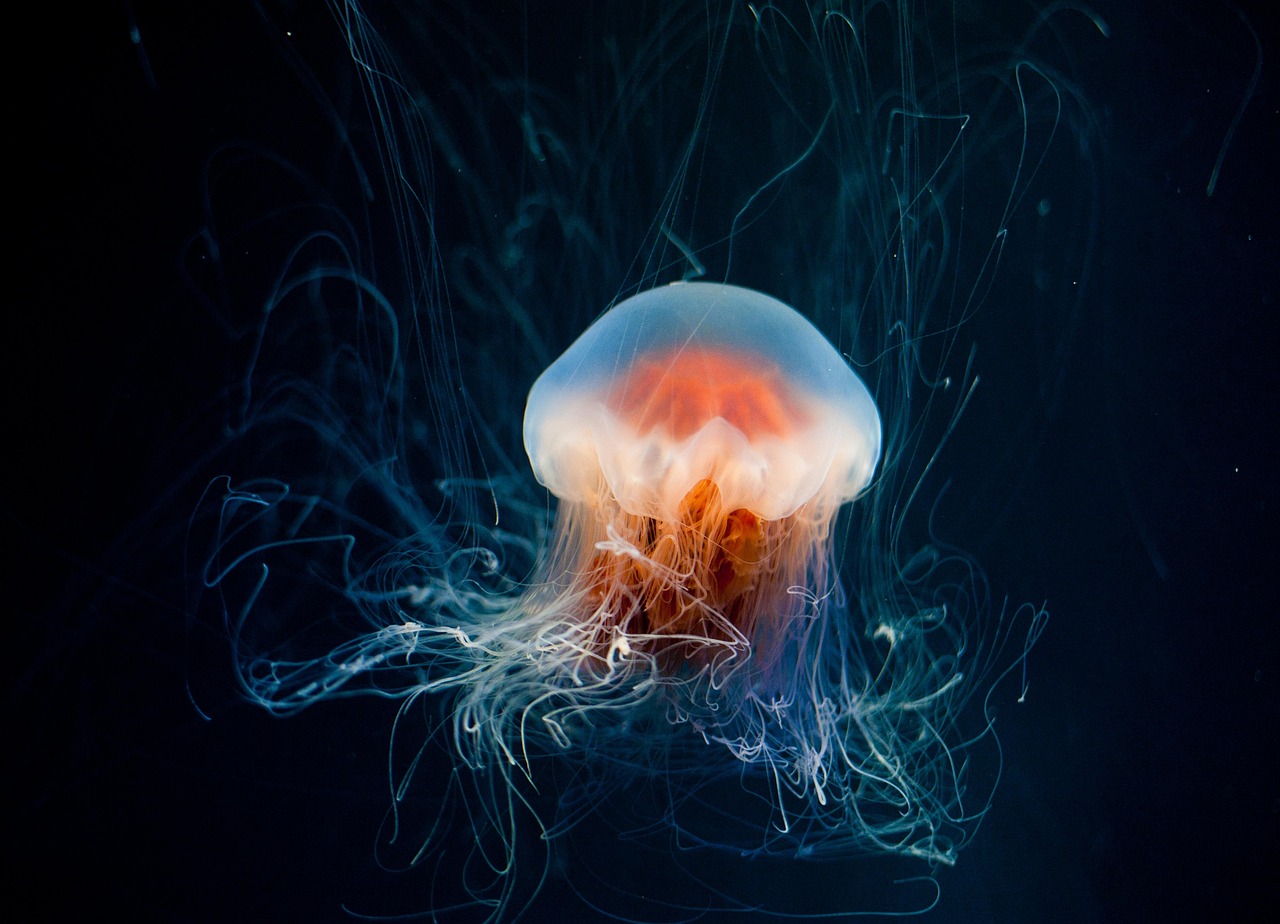
Few environments generate more anxiety than a veterinary waiting room — anxious owners, nervous dogs pulling on leads, cats vocalising from carriers, and the antiseptic smell that signals something unpleasant is coming. An aquarium, placed strategically in that space, does measurable work. Research published in aquatic therapy literature confirms that watching fish reduces heart rate and systolic blood pressure in human subjects within minutes. For the aquarium veterinary clinic waiting room application, the benefit extends to animal patients too: calm owners transmit less stress to their pets through the lead. This guide from Gensou Aquascaping, 5 Everton Park, Singapore, covers everything a clinic owner needs to know before commissioning a tank.
Why an Aquarium Works in This Setting
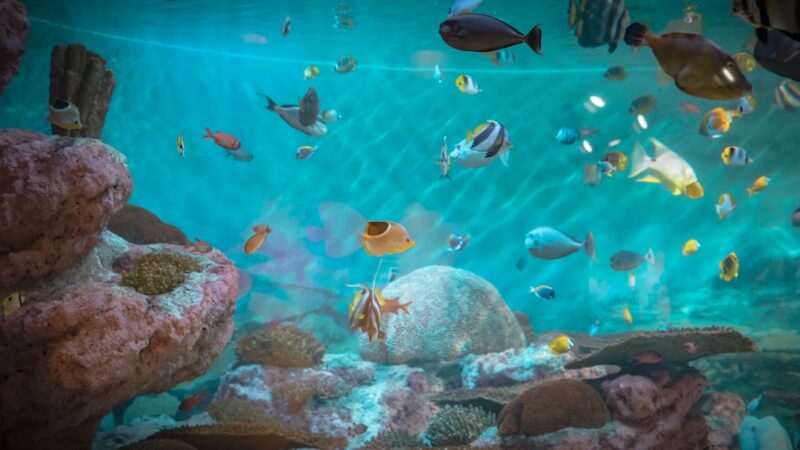
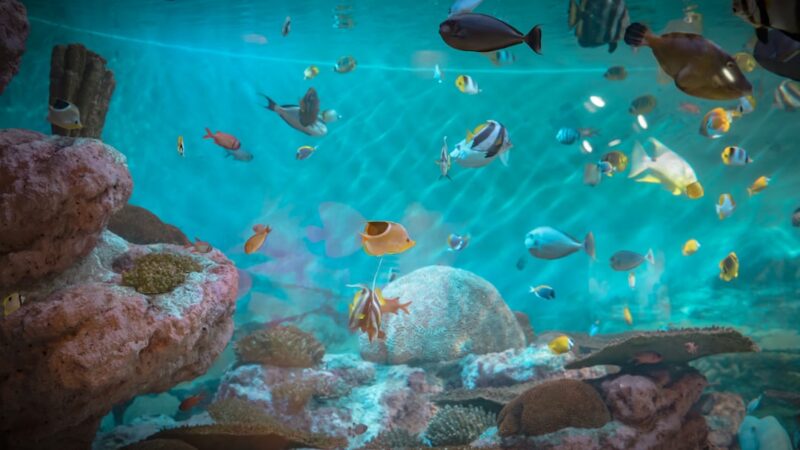
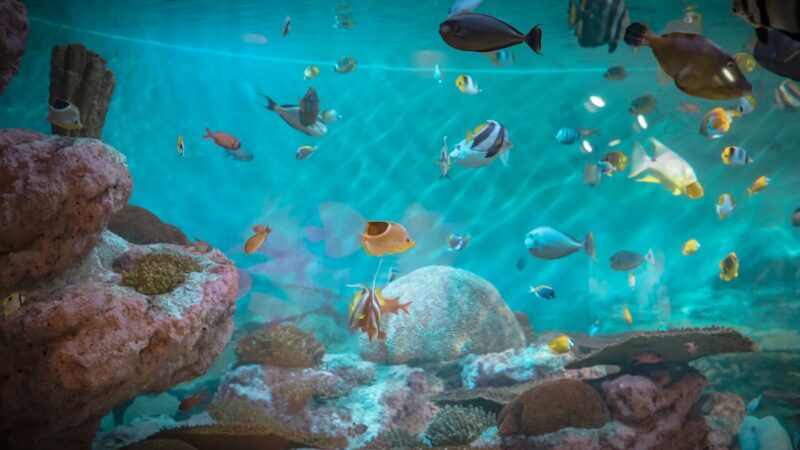
The visual stimulus of moving fish triggers an involuntary relaxation response. Unlike a television, which requires cognitive engagement, a well-planted aquarium can be observed passively — a glance is enough to produce benefit, and the effect accumulates with prolonged watching. Fish don’t bark, don’t create sudden loud noises, and don’t approach other animals. For dogs in particular, a contained visual stimulus at eye level gives them something neutral to focus on rather than the other animals in the room.
For the clinic itself, a well-maintained aquarium signals a commitment to living things and a quality of care environment. First impressions in healthcare settings — human or veterinary — are shaped by environmental cues within seconds of entering a room.
Size and Placement Considerations
For a busy veterinary waiting room in Singapore, a tank of at least 120 litres is recommended — anything smaller looks token and doesn’t generate the visual impact needed to hold attention across a noisy room. A standard 120 cm × 45 cm × 45 cm rimless display tank sits naturally on a purpose-built cabinet at 70–80 cm from floor to water surface, which positions the fish at eye level for seated adults and at a safe height above curious dogs.
Placement matters. Position the tank away from direct sunlight (south or west-facing windows accelerate algae growth and overheat the water) and away from direct air-conditioning outlets, which create temperature fluctuations. The wall opposite the entry door is often ideal — clients see it immediately on entering and can observe it from their seats throughout the wait.
Choosing the Right Species
Select hardy, visually striking fish that tolerate the inevitable stresses of a commercial environment: fluctuating room temperature, occasional bangs and knocks, variable lighting schedules. Large, slow-moving cichlids like Geophagus species or flowerhorn hybrids provide impressive visual presence. Schooling fish — a shoal of 15–20 silver dollars (Metynnis argenteus) or large danios — create movement without aggression.
Avoid small, delicate species like nano tetras or dwarf rasboras, which become invisible at viewing distance and are more easily stressed by environmental variability. Marine tanks are an option but require significantly more maintenance commitment; unless the clinic can commit to weekly professional servicing, a well-planted freshwater display is more reliable.
Maintenance in a Commercial Setting
A veterinary clinic aquarium will be observed far more hours per day than a home tank — which means any deterioration in appearance is immediately conspicuous to many people. A weekly maintenance schedule is non-negotiable: water change of 25–30%, glass cleaning, filter check, and substrate vacuuming. In Singapore’s humidity, evaporation from open-top tanks can remove 5–10 litres per week from a 120 L display, so top-up with dechlorinated water every 2–3 days to maintain stable parameters.
Consider a service contract with a local aquarium maintenance provider rather than relying on clinic staff, who may not have the training or time for consistent aquarium care. Monthly maintenance contracts in Singapore typically start from around $150–200 for a tank of this size, covering water changes, glass cleaning, and basic health checks on livestock.
Equipment for Low-Maintenance Reliability
Choose equipment that is reliable and quiet. A canister filter mounted inside the cabinet is the best choice — it is silent, out of sight, and powerful enough to handle the bioload of a well-stocked display tank. Pair it with a quality LED light on a programmable timer set to a 10-hour photoperiod. A chiller is worth considering: Singapore’s clinic rooms may be kept at 24–26°C for human comfort, but power outages or air-conditioning failures can push ambient temperatures above 30°C quickly in a contained space, stressing tropical fish.
What to Avoid
Do not install a tank that requires frequent hands-on intervention in a space where staff are occupied with patients. Avoid species that are aggressive, jump, or make noise. Skip live plants unless you have a maintenance commitment — a well-designed hardscape with artificial plants and thriving fish is dramatically better than a neglected planted tank full of algae and dying stems.
The aquarium veterinary clinic waiting room guide principle is simple: a tank that looks effortlessly healthy creates calm; a neglected tank creates the opposite impression. Gensou Aquascaping designs and commissions commercial aquariums across Singapore and can advise on a setup that matches your clinic’s footprint, budget, and maintenance capacity.
Related Reading