
How to Treat Early-Stage Fin Rot Before It Spreads
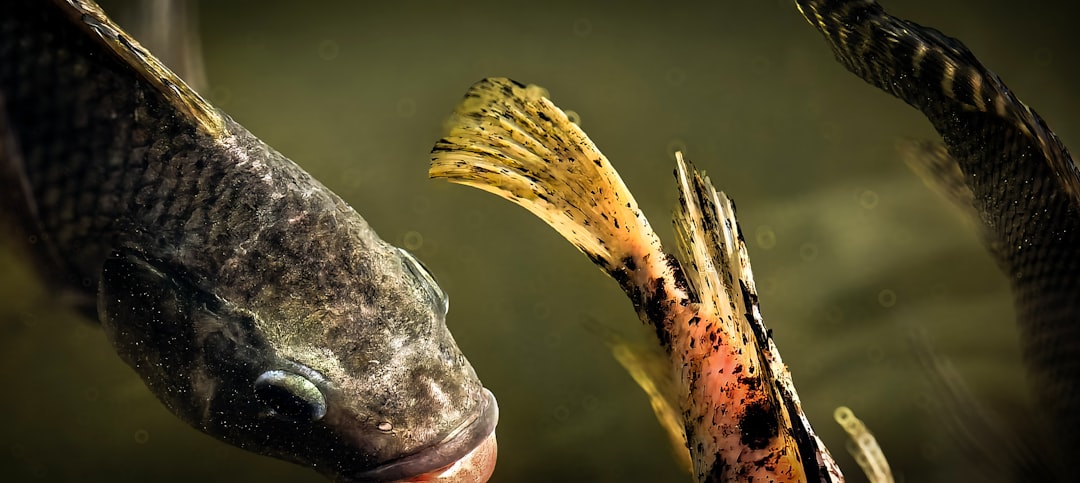
Ragged fin edges on a fish that looked perfectly healthy a week ago are easy to dismiss as a minor scrape. They rarely are. Fin rot in its early stage is both treatable and reversible — but only if you act before the infection reaches the base of the fin and begins attacking the body itself. This guide from Gensou Aquascaping at 5 Everton Park, Singapore walks you through accurate identification, the correct sequence of treatment steps, and what to watch for during recovery.
Recognising Early-Stage Fin Rot
In the earliest phase, fin rot appears as slight fraying or discolouration along the fin margin — typically a white or milky edge, sometimes with a thin reddish band just inside the damaged tissue. The fin membrane between rays may look translucent or begin to recede. Fish behaviour is often normal at this stage; the fish feeds, swims, and interacts as usual. That is precisely why hobbyists miss it — there is no dramatic sign to catch the eye until the damage has progressed.
Compare the affected fins against your other fish or against photos taken when you first acquired the fish. A 2 to 3 millimetre recession from the original edge is already significant and warrants immediate action.
Understanding the Cause
Fin rot is a bacterial infection, most commonly caused by Aeromonas, Pseudomonas, or Flavobacterium columnare. These bacteria are ubiquitous in aquarium water — they only become a problem when a fish’s immune defences are compromised. The usual culprits are elevated ammonia or nitrite, chronically high nitrate (above 40 ppm), temperature fluctuations, poor diet, or physical injury from fin-nipping tank mates. In Singapore’s warm ambient conditions, tanks without adequate filtration can accumulate waste quickly, making bacterial opportunism more likely. Identifying and correcting the underlying cause is more important than any medication you add to the water.
Step One: Water Quality First
Before reaching for any treatment, test your water. Check ammonia, nitrite, nitrate, and pH. In the vast majority of early fin rot cases, improving water conditions alone — combined with minor intervention — is sufficient to halt progression and allow regrowth.
Perform a 30 to 40% water change immediately, using dechlorinated water matched to your tank’s temperature. Vacuum the substrate thoroughly. If ammonia or nitrite is detectable above zero, do another partial water change the following day. Remove any dead plant matter or decaying food from the tank. This step is non-negotiable — adding medication to poor-quality water is largely ineffective and can stress the fish further.
When to Add Medication
If the fin edges show active white fluffiness, rapid recession, or the infection has spread to more than one fin, a course of antibacterial treatment is appropriate. In Singapore, commonly available options include:
- API Fin & Body Cure — broad-spectrum antibacterial powder effective against common gram-negative bacteria
- Seachem Kanaplex — kanamycin-based, useful for more resistant infections
- Salt baths — 1 to 3 grams of aquarium salt per litre added to the main tank can assist mild bacterial fin rot by reducing osmotic stress; not suitable for tanks with scaleless fish or sensitive shrimp
Treat in the main tank if possible — moving a fish to a bare hospital tank can add stress that slows recovery. Follow the manufacturer’s dosage instructions precisely. Complete the full treatment course even if the fish looks better after two days.
Isolating Fin-Nippers
Physical damage from tank mates creates entry points for bacteria, turning a minor nick into a full fin rot infection within days. If any fish in your tank are known fin-nippers — tiger barbs, serpae tetras, and some cichlids are frequent offenders — the victim should either be moved to a separate recovery tank or the aggressor removed. Treating fin rot while the fins continue to be damaged is an exercise in futility.
Monitoring Recovery and Fin Regrowth
Once the underlying conditions are corrected and treatment is underway, healthy new fin tissue typically begins to appear within one to two weeks. New growth looks slightly translucent and colourless before taking on the fish’s natural pigmentation — this is normal. If you notice the progression has stopped but regrowth is very slow, consider adding a vitamin-enriched food or liquid supplement; good nutrition directly supports fin tissue repair.
Photograph the fins every few days against a consistent background. Progress is gradual and easy to miss day-to-day, but weekly comparison photos make recovery visible and reassuring. If the fin rot continues to progress despite correct treatment and water quality, it may indicate a resistant strain or a secondary fungal infection, and a more targeted antifungal-antibacterial combination product should be considered.
Preventing Recurrence
The single most effective preventive measure is consistent water quality management. Weekly partial water changes of 20 to 30%, regular filter maintenance, and avoiding overstocking dramatically reduce the risk of fin rot returning. Quarantine all new fish for two to three weeks before introducing them to your main tank — new arrivals are frequently stressed and may carry bacterial infections that spread to established fish. At Gensou Aquascaping, we include water quality audits as part of our maintenance plans, helping Singapore hobbyists stay ahead of problems like fin rot before they take hold.
Related Reading



