Mexican Cenote Biotope Aquascape: Crystal Clear Limestone Pools
Few natural aquatic environments are as visually striking as the cenotes of Mexico’s Yucatán Peninsula — ancient limestone sinkholes filled with startlingly clear groundwater, filtering through kilometres of rock before emerging as near-pure, mineral-rich pools. Recreating a Mexican cenote biotope aquascape in a home aquarium captures that quality of light on pale stone, the ghostly clarity of the water, and the sparse but precise plant life that characterises these unique ecosystems. Gensou Aquascaping at 5 Everton Park, Singapore has worked with biotope-inspired designs for over 20 years, and the cenote style rewards the keeper who gets the details right.
Understanding the Cenote Environment
Cenote water is exceptionally clear — visibility of 30 metres is common — and moderately hard, with a GH of 8–14 and KH of 6–10 due to dissolved limestone minerals. pH tends to sit between 7.2 and 7.8. Temperature ranges from 22–24°C, significantly cooler than surface water. Organic matter is low; the substrate is bare white limestone or fine white limestone sand with minimal sediment. Light penetration is extreme — shafts of sunlight that characterise cenote photography are a defining visual feature.
This water profile differs considerably from Singapore’s soft PUB tap water (GH 2–4, KH 1–2). To replicate cenote conditions accurately, you will need to remineralise RO water with a GH and KH booster — Seachem Equilibrium plus sodium bicarbonate, or a dedicated hard water mineraliser — targeting GH 10 and KH 7 as a practical baseline.
Hardscape: Limestone Is Non-Negotiable
Authentic cenote aquascapes use pale limestone, fossilised coral rock, or white/cream-toned rocks that dissolve slowly into the water and reinforce the alkaline mineral profile. Dragon stone (Ohko stone) mimics the pitted texture of limestone beautifully and is available from Singapore aquarium suppliers in various sizes. White quartz or pale beach stone also works. Avoid dark rocks like seiryu or dragon stone in very dark tones — they break the visual palette of the style.
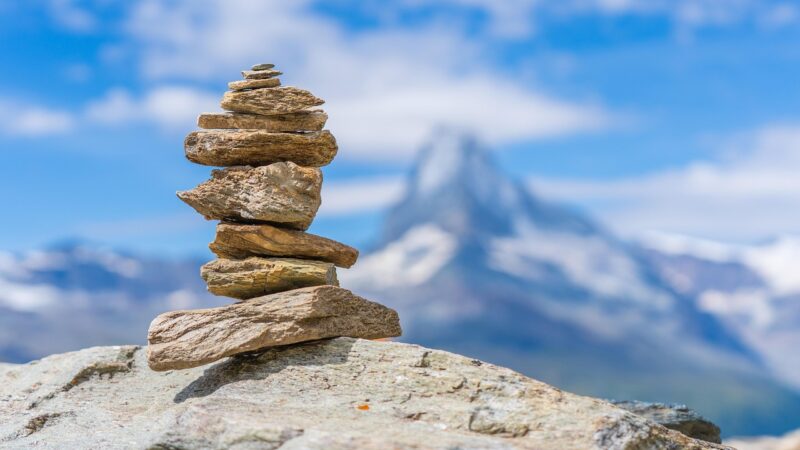
Stack rocks to create cave openings, overhangs, and crevices. Cenotes have dramatic vertical architecture — deep drops, undercuts, and ledges — so think vertically rather than horizontally when building the hardscape. A tall, narrow tank (60P or 60F profile) suits this style particularly well.
Substrate: White Sand and Bare Stone
Use fine white or pale cream sand as substrate — quartz sand or pool filter sand in a natural white grade. Depth should be minimal: 2–4 cm is typical for a cenote floor, with exposed rock sections at the base of hardscape elements. Resist the urge to add soil or aquasoil — it darkens the water, softens the mineral profile, and breaks the pale, bright aesthetic that defines the style.
Some cenote scapes leave large sections of the tank floor as bare substrate with isolated rock formations rather than dense planting. Negative space — a concept borrowed from Japanese aquascaping — is as important here as the planted areas.
Plants of the Cenote
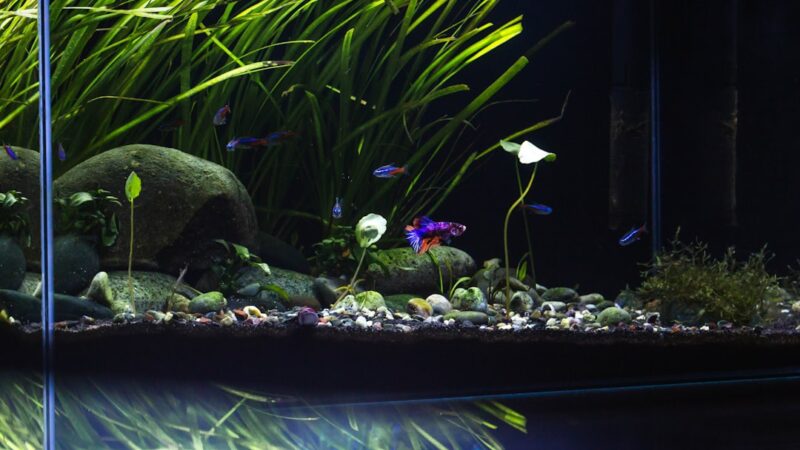
Cenote flora is sparse by aquascaping standards. Sagittaria species grow along cenote margins, with long, strap-like leaves. Vallisneria americana and Vallisneria spiralis are the most appropriate background plants — they handle hard, alkaline water and grow in clusters that sway in gentle currents, evoking the natural feel. Echinodorus species (Amazon swords) are technically from different South American systems but tolerate cenote-style water and are visually plausible for a hobbyist interpretation.
Avoid soft-water, CO2-demanding plants like Rotala or Hemianthus callitrichoides — they will struggle in harder water and colour poorly. Simple, robust plants suit this style better than delicate high-tech species.
Livestock for Authenticity
Poecilia mexicana (shortfin molly) and Xiphophorus hellerii (swordtail) are native to Mexican river and cave systems and are entirely appropriate. Wild-type guppies also originate from Central and South American systems with similar water profiles. For a more specialist approach, Gambusia species are authentically cenote-adjacent, though they are aggressive and not commonly stocked in Singapore.
Avoid Amazonian blackwater fish (tetras, discus, angelfish) — they belong to a completely different chemistry and will not thrive in hard, alkaline cenote water.
Lighting for the Cenote Effect
The signature look of cenote photography — dramatic shafts of light through clear water — can be partially replicated with a narrow, high-intensity LED fixture positioned centrally over the tank. Allow for high-contrast lighting rather than even spread: if your fixture permits beam angle adjustment, focus illumination on the central foreground and let the edges shadow naturally. Clear water is essential — run a polishing filter pad and change water frequently to maintain the clarity that makes this aesthetic work.
Maintaining Water Clarity and Stability
Crystal-clear water requires consistent mechanical filtration, low organic load, and regular water changes of 25–30% weekly. In Singapore, where high ambient temperatures accelerate decomposition, avoid overstocking and feed sparingly. A UV steriliser is a worthwhile addition for this style — it eliminates free-swimming bacterial and algal particles that cloud the water without adding to the natural look. Run efficient mechanical filtration with fine polishing pads, and clean the filter every 2–3 weeks to prevent organic accumulation from reducing clarity.
Related Reading