
How to Fix Yellowing Java Fern Leaves in Aquariums
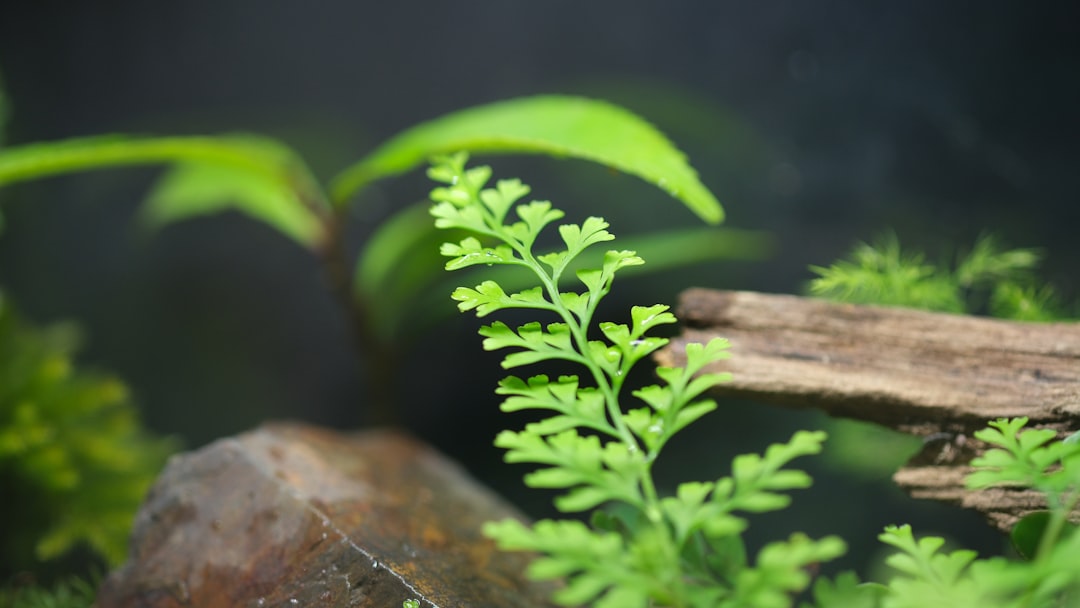
Java fern (Microsorum pteropus) is supposed to be bulletproof, so when its leaves turn yellow, something is genuinely wrong. Yellowing is a distress signal that points to nutrient deficiency, improper placement, or declining water quality. This guide from Gensou Aquascaping at 5 Everton Park, Singapore, helps you fix yellowing java fern leaves in your aquarium by diagnosing the cause and applying targeted solutions based on our experience maintaining hundreds of planted tanks.
Nutrient Deficiency: The Most Common Cause
Java fern is an epiphyte that feeds through its leaves and rhizome, not through substrate roots. When the water column lacks key nutrients, yellowing follows. Iron deficiency is the primary culprit; new leaves emerge pale green to yellow rather than the deep green Java fern is known for. Potassium deficiency causes yellowing along leaf edges and older leaves, while nitrogen deficiency produces overall paleness starting from the oldest growth.
Dose a comprehensive liquid fertiliser two to three times weekly. Products containing chelated iron, such as Seachem Flourish or Tropica Premium Nutrition, address iron deficiency directly. Improvement is visible within two to three weeks as new leaves emerge with proper colour.
Buried Rhizome Causing Rot
Burying the rhizome in substrate is one of the most common mistakes, especially among beginners. The rhizome suffocates, rots, and the plant slowly dies, with yellowing as an early warning sign. Check your Java fern’s attachment point. The thick green horizontal stem must sit above the substrate, attached to driftwood, rock, or left floating.
If you discover a buried rhizome, gently remove the plant, trim any brown or mushy rhizome sections with a clean blade, and reattach the healthy portion to hardscape using superglue gel or cotton thread.
Excessive Light
Java fern is a low to moderate light plant. Under intense aquascaping LEDs at 80+ PAR, leaves develop transparent patches, turn yellowish, and become magnets for algae. This is a common problem in high-tech planted tanks where lighting is calibrated for demanding carpet plants. Position Java fern in shaded areas, beneath overhanging driftwood, or behind taller plants that filter the light.
If your entire tank runs high light, consider moving Java fern to a lower section of the hardscape or using floating plants above to create dappled shade.
Old Leaves and Natural Turnover
Not all yellowing is a problem. Java fern naturally sheds its oldest leaves as new growth develops. If yellowing is limited to one or two of the largest, outermost leaves while the rest of the plant looks healthy and produces new fronds, this is normal turnover. Simply trim the yellowed leaves at their base with sharp scissors. Leaving them to decay invites algae and looks untidy.
Water Quality Issues
Elevated ammonia or nitrite from an uncycled or overloaded filter damages Java fern tissue, causing browning and yellowing. Test your water parameters if yellowing is sudden and widespread. Singapore’s PUB tap water, when freshly dechloraminated, provides a reasonable baseline at pH 6.8-7.0 and GH 2-4, but ammonia from chloramine treatment can linger if the dechlorinator is underdosed.
Maintain nitrate below 20 ppm through regular 20-30% weekly water changes. Java fern tolerates a wide pH and hardness range but cannot handle persistent ammonia exposure.
Temperature Stress
Java fern grows best at 22-28 °C. In Singapore, unheated tanks typically sit at 27-29 °C, which is within tolerance but at the upper end. During exceptionally hot periods when water temperature exceeds 30 °C, Java fern may show stress through slower growth and mild yellowing. A clip-on fan reducing surface temperature by 2-3 °C is usually sufficient to bring conditions back into the comfort zone.
Algae Smothering the Leaves
Black beard algae (BBA) and green spot algae commonly colonise Java fern’s broad, slow-growing leaves. Heavy algae coverage blocks light and nutrient absorption, weakening the leaf and causing yellowing beneath the algae layer. Spot-treat BBA with a syringe of diluted hydrogen peroxide (1-2 ml of 3% solution per litre, applied directly to affected leaves with the filter off for 15 minutes). Reduce lighting duration to six hours if algae is widespread.
Recovery Timeline
Java fern grows slowly, producing one new leaf every two to three weeks under good conditions. After correcting the underlying issue, expect visible improvement in four to six weeks as healthy new fronds emerge. Yellowed leaves will not recover their colour; trim them to redirect the plant’s energy into fresh growth. Patience is key. Gensou Aquascaping Singapore has revived severely yellowed Java fern specimens many times, and the plant’s resilience means that with the right adjustments, recovery is almost always achievable.
Related Reading



