
How to Fix Cloudy Water After a Substrate Change
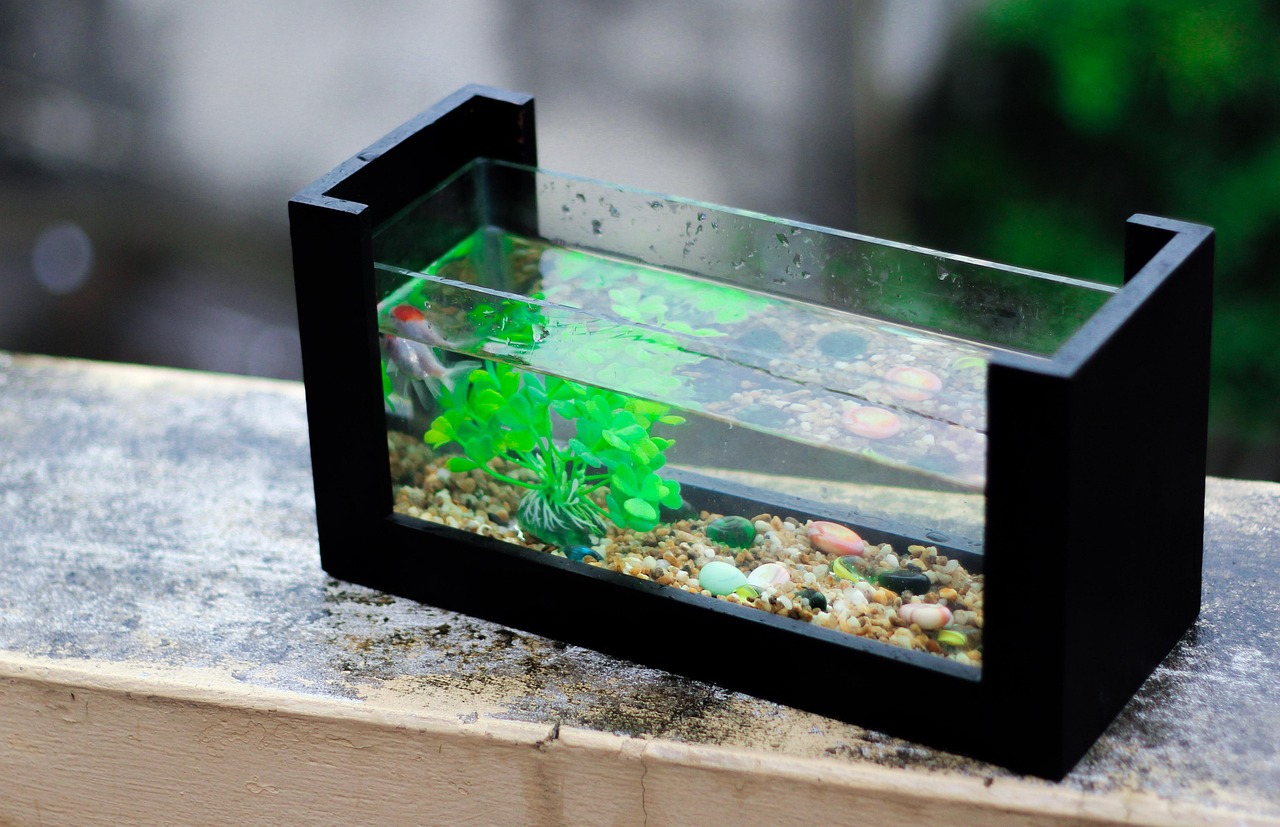
Swapping substrate is one of the most rewarding upgrades you can make to a planted tank, but the aftermath often looks alarming. If you need to fix cloudy water after a substrate change in your aquarium, you are not alone — nearly every hobbyist faces a milky haze the moment new soil or gravel hits the water column. Here at Gensou Aquascaping in Singapore, with over 20 years of hands-on experience, we have walked countless customers through this exact problem.
Why Substrate Changes Cause Cloudy Water
Most aquarium substrates release fine dust particles when first submerged. Active soils like ADA Amazonia or Tropica Aquarium Soil leach ammonia and organic compounds during the first week, feeding a bacterial bloom that turns water milky white. Inert substrates such as sand or gravel cloud the water with mineral dust instead — a different cause, but an equally frustrating result.
The type of cloudiness matters. A grey or brownish haze usually points to physical dust, while a white, almost translucent bloom suggests a bacterial explosion. Identifying which one you are dealing with helps you choose the right fix.
Mechanical Filtration Is Your First Line of Defence
Fine filter floss or polishing pads trap suspended particles faster than any other method. Stuff a wad of polyester filter floss into your canister or hang-on-back filter and replace it every 12-24 hours until the water clears. For most tanks, two to three changes over 48 hours does the trick.
If your filter flow rate is low, consider temporarily adding a small powerhead to increase water circulation. Stagnant pockets allow particles to settle and resuspend with every movement.
Water Changes: How Much and How Often
Perform a 50% water change immediately after the substrate swap. In Singapore, PUB tap water is soft (GH 2-4) and chloramine-treated, so always dose a water conditioner that neutralises both chlorine and chloramine. Follow up with 30% changes daily for the first three to five days.
Avoid gravel-vacuuming the new substrate aggressively during this period. You want beneficial bacteria to colonise the surface, and heavy vacuuming disrupts that process.
Water Clarifiers and Flocculants
Chemical clarifiers like Seachem Clarity or API Accu-Clear cause tiny particles to clump together so your filter can catch them. They work well for dust-related cloudiness but do little against bacterial blooms. Use them sparingly — one dose after a water change is usually enough. Overdosing can stress fish gills.
Dealing With Bacterial Blooms Specifically
A bacterial bloom feeds on the ammonia and organics that active substrates leach. Patience is genuinely the most effective treatment here. The bloom typically peaks around day three and clears by day seven to ten. Running UV sterilisation at 9-11 watts for a 60-litre tank accelerates the process, often clearing the water within 48 hours.
Resist the urge to add antibacterial treatments. These kill both harmful and beneficial bacteria, potentially crashing your cycle and creating a far worse problem than cloudy water.
Activated Carbon as a Short-Term Boost
Drop a bag of high-quality activated carbon into your filter compartment. Carbon adsorbs dissolved organics, tannins, and odour compounds that contribute to discolouration. Replace the carbon after one week, as it becomes saturated quickly when working overtime. Locally, a 500 g pack of Seachem Matrix Carbon runs about $18-$22 on Shopee or Lazada.
Prevention Tips for Your Next Substrate Swap
Rinse inert substrates thoroughly before adding them — five to six rinses in a bucket until the water runs clear. For active soils, never rinse; instead, fill the tank slowly by pouring water over a plate or plastic bag to minimise disturbance. Some hobbyists drain the tank fully, add substrate dry, then lay cling wrap on top before refilling. This single trick can reduce initial cloudiness by 70% or more.
Planning ahead also helps. Run an extra sponge filter in your existing tank for two weeks before the swap so you have a pre-seeded filter ready. That seeded sponge alone can prevent the worst bacterial blooms by keeping ammonia in check from day one.
When to Worry About Persistent Cloudiness
If your water remains cloudy beyond two weeks despite water changes and mechanical filtration, test your ammonia and nitrite levels. Persistent haze sometimes indicates a stalled nitrogen cycle, especially if you replaced substrate and filter media simultaneously. In Singapore’s warm climate, where tank temperatures sit around 28-30 degrees C without a chiller, bacterial activity is fast — so a bloom that lingers likely has an ongoing nutrient source you need to address.
Related Reading



