
How to Aquascape for Clinic Lobbies in Singapore: Health and Harmony
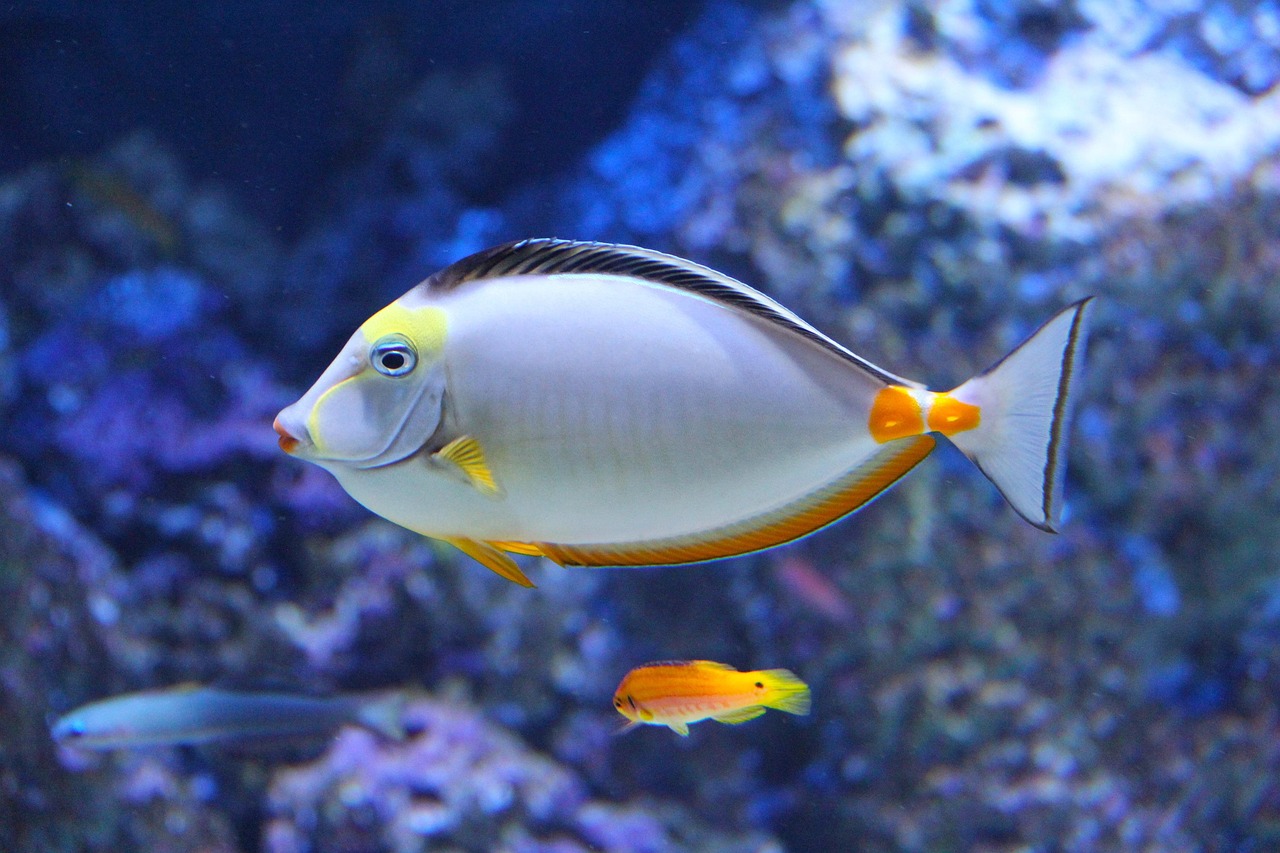
A well-designed aquarium in a medical clinic lobby does more than decorate — it measurably reduces patient anxiety. Studies from Purdue University and the National Marine Aquarium have shown that watching fish lowers heart rate and blood pressure, exactly the outcome you want in a waiting room. This aquascape for a clinic lobby in Singapore guide covers tank selection, layout design, species choice, and maintenance planning so your display enhances patient experience without becoming a burden on staff. Gensou Aquascaping at 5 Everton Park, Singapore has installed aquariums in GP clinics, dental practices, and specialist centres across the island.
Tank Size and Placement
Clinic lobbies in Singapore range from compact HDB shophouse units to larger medical centre suites. For smaller lobbies, a 90x45x45 cm tank (approximately 180 litres) offers enough visual impact without dominating the space. Larger practices can accommodate 120 cm or even 150 cm tanks that serve as a centrepiece. Position the tank where patients naturally look while seated — typically against the wall opposite the reception counter or beside the waiting area. Ensure the stand sits on a load-bearing wall or reinforced flooring, especially in older shophouse buildings. A 180-litre tank weighs approximately 230 kg fully set up.
Design for Calm, Not Complexity
Clinical environments call for clean, soothing aesthetics. Avoid overly busy layouts with dozens of plant species and chaotic driftwood. Instead, choose a simple nature-style arrangement: one or two pieces of elegant driftwood, a few clusters of easy plants, and open swimming space. A minimalist iwagumi with smooth river stones and a Monte Carlo carpet exudes tranquility. Neutral-toned hardscape (grey stone, pale driftwood) complements most clinic interiors better than dramatic red or orange rocks.
Lighting should be moderate and warm-toned (6500K white with a touch of warm white) to avoid the harsh, clinical feel that patients are already surrounded by. Programmable LEDs that gently ramp up and down mimic natural daylight transitions and prevent startling fish or patients with sudden brightness changes.
Fish Selection for a Professional Setting
Choose species that are colourful, active, and peaceful — no aggressive chasing or fin-nipping in front of nervous patients. Cardinal tetras or rummy-nose tetras in a school of 15-20 create a mesmerising, coordinated movement pattern. A small group of Corydoras adds bottom-level activity. For a larger tank, a pair of pearl gouramis provides a graceful centrepiece. Avoid species prone to disease or sudden death (neon tetras, for example, are susceptible to neon tetra disease and mass die-offs look terrible in a professional setting).
Shrimp like Neocaridina Cherry Red add pops of colour and fascinate children in paediatric clinics. Keep stocking conservative — an underloaded tank stays cleaner longer between maintenance visits.
Low-Maintenance Plant Choices
Clinic aquariums need plants that look good with minimal intervention. Epiphytic species attached to hardscape are ideal: Anubias barteri var. nana, Java fern (Microsorum pteropus), and Bucephalandra varieties require no substrate nutrition and grow slowly enough to avoid frequent trimming. For a carpet, Monte Carlo tolerates lower light better than HC Cuba and fills in reliably. Floating plants like Salvinia soften the surface and reduce algae by absorbing excess nutrients, but keep coverage below 50% to maintain the open, bright appearance patients expect.
Maintenance Scheduling
Clinics cannot afford a neglected, algae-covered tank — it sends entirely the wrong message about hygiene and care. Schedule professional maintenance visits fortnightly at minimum, or weekly for larger installations. Each visit should include a 30% water change, glass cleaning, filter rinse, plant trim, and health check of all livestock. In Singapore, professional aquarium maintenance services charge approximately $80-$200 per visit depending on tank size. Factor this ongoing cost into the project budget from the outset and present it to the clinic owner alongside the installation quote.
Noise and Safety
Clinics must be quiet. Choose a canister filter over a hang-on-back to eliminate splashing sounds. Ensure the cabinet is fully enclosed to muffle pump vibration and hide equipment. CO2 cylinders, if used, must be secured upright with a bracket — a falling pressurised cylinder in a public space is a serious hazard. Consider skipping CO2 entirely and designing around low-tech plants to simplify the system and reduce risk. Childproof all electrical connections with waterproof covers and ensure no cables are accessible from the front or sides.
Return on Investment
An aquascape in a clinic lobby is not just an expense — it is a patient experience investment. Clinics with well-maintained aquariums report patients perceiving shorter waiting times and expressing higher satisfaction scores. For dental and paediatric practices especially, a tank reduces pre-appointment anxiety in measurable ways. When positioned near the entrance, it also creates a distinctive brand identity that distinguishes your practice from competitors. In Singapore’s competitive private healthcare market, that differentiation matters.
Related Reading



