
Best CO2 Regulators With Solenoid for Planted Aquariums
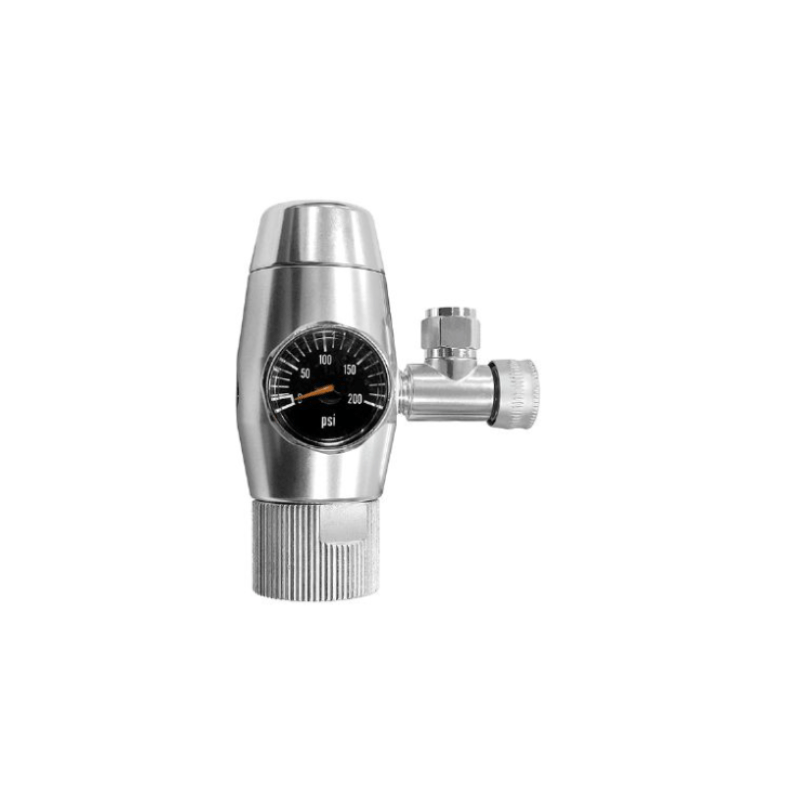
A reliable CO2 regulator with solenoid is the heart of any pressurised injection system. Get it right and your planted tank thrives with consistent carbon supply. Get it wrong and you risk end-of-tank dumps that suffocate fish overnight. This best CO2 regulator solenoid planted aquarium comparison from Gensou Aquascaping at 5 Everton Park, Singapore, helps you pick the right unit for your budget and tank size.
What a CO2 Regulator Actually Does
A regulator reduces the high pressure inside a CO2 cylinder (typically 800-1,000 psi) down to a usable working pressure of 20-40 psi. The solenoid is an electrically controlled valve that shuts off gas flow when connected to a timer, so CO2 only runs during your photoperiod. A needle valve provides fine adjustment of the bubble rate. Together, these three components, regulator body, solenoid and needle valve, deliver precise, automated CO2 dosing.
Single-Stage vs Dual-Stage Regulators
Single-stage regulators are cheaper but susceptible to end-of-tank dump, a dangerous surge of CO2 as cylinder pressure drops below a critical threshold. Dual-stage regulators use two pressure reduction chambers, virtually eliminating this risk. For any tank with livestock, a dual-stage regulator is the safer choice. The price difference is typically $40-$80 SGD, a small premium for the peace of mind that your fish will not wake up in a cloud of excess CO2.
ISTA Twin-Gauge Regulator
Widely available in Singapore, the ISTA regulator is a solid entry-level option at around $80-$120 SGD. It features a built-in solenoid, needle valve and two pressure gauges (cylinder and working pressure). Build quality is acceptable for the price, though the needle valve can feel imprecise at very low bubble rates. It is a single-stage unit, so monitor your cylinder pressure closely as it empties. For budget-conscious hobbyists running a single tank under 100 litres, it gets the job done.
UP Aqua Pro Series
UP Aqua regulators are a step up in build quality, with a more refined needle valve that holds steady at low bubble counts. The Pro series includes a solenoid, dual gauges and a working pressure of 1-3 bar adjustable via the main knob. Priced around $120-$180 SGD, it strikes a good balance between precision and affordability. Still a single-stage design, so the end-of-tank dump risk remains. Pair it with a pH controller or a timer that cuts off CO2 at night as an additional safeguard.
GLA Dual-Stage Regulator
For hobbyists willing to invest, GLA (Green Leaf Aquariums) offers premium dual-stage regulators that virtually eliminate end-of-tank dump. The integrated Fabco needle valve is one of the finest in the hobby, holding a consistent bubble rate for weeks without drift. Pricing starts around $250-$350 SGD including shipping to Singapore. The build feels industrial and robust. If you run a high-tech tank with expensive livestock, the GLA is a buy-once-cry-once choice that should last a decade or more.
Choosing the Right Cylinder Connection
In Singapore, the most common CO2 cylinders use a CGA-320 connection (standard paintball or beverage-grade tanks). Some regulators ship with a DIN 477 connector used in Europe. Verify compatibility before purchasing, or budget $15-$25 SGD for an adapter. Local CO2 refills are available at welding supply shops and some aquarium stores for $15-$30 SGD depending on cylinder size. A 2 kg cylinder typically lasts two to four months on a 100-litre tank at moderate injection rates.
Essential Accessories
A bubble counter placed between the needle valve and the diffuser lets you visually monitor CO2 flow rate. An inline check valve ($3-$5 SGD) prevents water from backflowing into the regulator, which corrodes internal components. A drop checker in the tank filled with 4 dKH reference solution tells you whether your dissolved CO2 level is in the safe green zone of roughly 30 ppm. These small additions cost under $20 SGD combined but protect your investment significantly.
Installation and Safety Tips
Mount the cylinder upright and secure it with a clamp or bracket to prevent it tipping. Connect the regulator hand-tight first, then a quarter-turn with a spanner. Open the cylinder valve slowly and check for leaks using soapy water on all joints. Set your timer so the solenoid opens one to two hours before lights on and closes when lights off. Never run CO2 overnight in a tank with fish. Place the regulator in a ventilated area, not inside a sealed cabinet. With a quality regulator and sensible setup, pressurised CO2href=”/co2/”>CO2 injection is both safe and transformative for plant growth.
Related Reading



