
Best Floating Plant Corrals and Rings for Aquariums
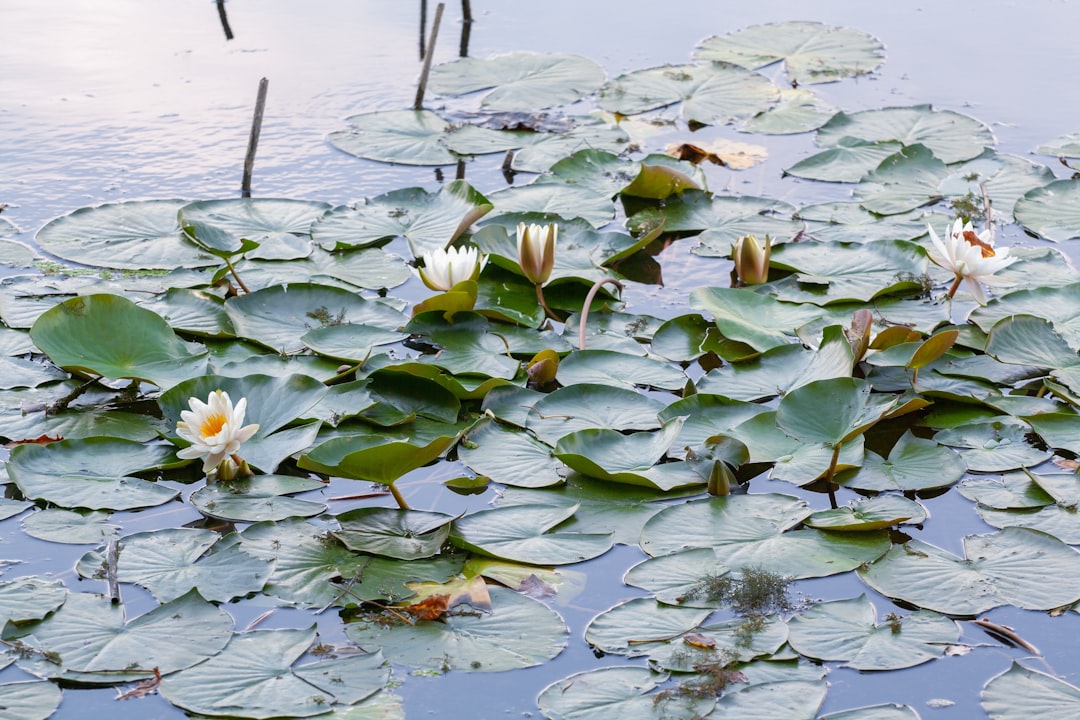
Floating plants are brilliant for nutrient export and shading, but they have one maddening habit: drifting wherever the surface current takes them. A floating plant corral or ring for your aquarium solves this by penning plants into a defined zone, keeping your light spread even and your surface tidy. Here at Gensou Aquascaping in Singapore, we have tested dozens of corral designs across client tanks over the years, and the differences in durability and function are bigger than most hobbyists expect.
Why Floating Plants Need Containment
Species like Salvinia minima, Limnobium laevigatum (Amazon frogbit), and various duckweeds multiply rapidly in Singapore’s warm water. Without a corral, they blanket the entire surface within weeks, choking light from stem plants below. A ring or corral lets you harvest excess growth easily while keeping a designated open area for gas exchange and feeding.
Surface agitation from filter outlets also pushes loose floaters into corners, where they pile up and rot. Corrals anchored in calmer zones prevent this cycle entirely.
Airline Tubing DIY Rings
The cheapest option is a loop of standard 4 mm airline tubing joined with a straight connector. Cut a 30-40 cm length, bend it into a circle, and push both ends onto a small plastic joiner. Total cost: under $1 from any Serangoon North aquarium shop. These rings sit flush on the surface and work perfectly for nano tanks up to about 30 litres.
The downsides are limited: airline tubing yellows under strong lighting after six months or so, and very small floaters like Wolffia can slip underneath. Replace the tubing when it stiffens.
Acrylic and Stainless Steel Corrals
Pre-made corrals in acrylic or food-grade stainless steel are sold online through Shopee and Lazada, typically priced between $5 and $18 depending on diameter. Stainless steel versions are heavier, which keeps them more stable in tanks with stronger flow, but check that the grade is 304 or 316 to avoid rust. Acrylic corrals are lighter, transparent, and almost invisible from across the room.
For rimless tanks wider than 45 cm, look for rectangular corrals rather than circular ones. They make better use of the surface area and can be positioned along the back glass to keep the front clear for viewing.
Suction Cup Mounted Designs
Some corrals attach to the glass with suction cups, holding the ring at a fixed position regardless of water level changes. This is especially useful in tanks with auto top-off systems where evaporation shifts a free-floating ring’s position daily. Expect to pay around $8-$15 for a suction-mounted corral on local online marketplaces.
One practical tip: attach the suction cups slightly below the waterline so the ring sits just at surface level. If mounted too high, a slight water drop leaves the ring suspended in air and the plants dry out.
Choosing the Right Size
Match the corral diameter to your tank’s open surface area. A ring that covers more than 40% of the surface defeats the purpose, as it blocks too much light. For a standard 60 cm tank, a corral of about 12-15 cm diameter works well. Larger 90 cm or 120 cm setups can accommodate two separate rings, one for Salvinia and another for frogbit, which also makes harvesting simpler.
Maintenance and Cleaning
Algae colonise corral surfaces just as they do any other object in the tank. Wipe rings down during your weekly water change with a soft cloth. Airline tubing rings can be soaked briefly in diluted hydrogen peroxide if green algae becomes stubborn. Stainless steel corrals rarely need more than a rinse under tap water.
Trim the floating plants inside the corral every week or two. In Singapore’s climate, where tank temperatures often sit at 28-30 °C without a chiller, growth is relentless. Removing half the biomass each fortnight keeps the remaining plants healthy and prevents nutrient competition.
Pairing Corrals With Lighting
Position the corral away from directly beneath your main light fixture if you want strong illumination for carpeting plants below. Alternatively, place the corral directly under the light to create natural dappled shade, which species like Cryptocoryne and Bucephalandra appreciate. This deliberate placement turns a simple accessory into an aquascaping tool.
Our Recommendation
For most hobbyists, a simple airline tubing ring is hard to beat on cost and function. If aesthetics matter and you have a rimless display tank, invest in a clear acrylic rectangular corral. Whichever style you choose, the best floating plant corral for your aquarium is ultimately the one that keeps your surface tidy without constant fiddling. Gensou Aquascaping has fitted corrals on dozens of client setups across Singapore, and the simplest solutions consistently last the longest.
Related Reading



