Pet Shrimp for Beginners: Species, Setup and Care Basics
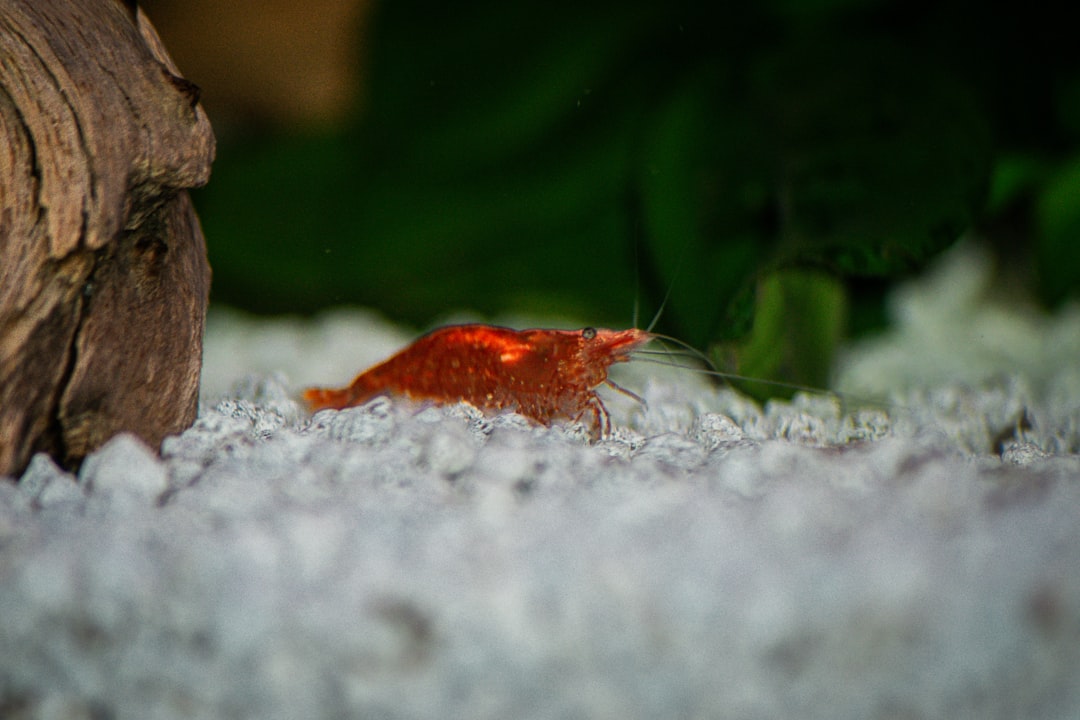
Freshwater shrimp have exploded in popularity across the Singapore hobby — tiny, colourful and endlessly fascinating to watch. This pet shrimp beginners guide from Gensou Aquascaping Singapore, at 5 Everton Park with over 20 years of hands-on experience, walks you through species choices, tank setup and daily care so your first colony thrives from day one. Shrimp keeping is surprisingly accessible once you understand a few key principles.
Best Beginner Shrimp Species
Neocaridina davidi — sold as cherry shrimp, fire red, blue dream or yellow shrimp depending on colour morph — is the undisputed starter species. They tolerate a wide parameter range (pH 6.5–8.0, GH 4–14, temperature 20–28 °C), breed readily and cost as little as $1–$2 each on Carousell or Shopee Singapore. A colony of ten can multiply to over a hundred within three to four months under good conditions.
Amano shrimp (Caridina multidentata) are another beginner-friendly option, prized for their algae-eating ability. They grow to 4–5 cm and live three to five years, but they require brackish water to breed successfully — most hobbyists simply buy them as working adults. Ghost shrimp are cheap and transparent, useful for feeding trials or establishing a tank before investing in pricier species.
Tank Size and Equipment
A 20-litre nano tank is the minimum recommended starting point. Smaller volumes make water parameters unstable — shrimp are far more sensitive to ammonia and nitrite spikes than most fish. A sponge filter is ideal: it provides gentle flow, biological filtration and a grazing surface all in one. Intake guards are unnecessary because the sponge itself prevents shrimplets from being sucked in.
Substrate matters less for neocaridina than for Caridina species, but an inert sand or fine gravel base works well. Active soils like ADA Amazonia or Tropica Aquarium Soil buffer pH downward — useful if you eventually graduate to crystal red shrimp, but not essential for hardy cherry shrimp.
Water Parameters and Singapore Tap Water
Singapore’s PUB tap water is soft (GH 2–4) and slightly acidic, which suits neocaridina adequately but sits at the lower end of their preferred GH range. Adding a small amount of remineraliser — Salty Shrimp GH/KH+ is a popular choice locally — raises GH to 6–8 and provides the calcium and magnesium shrimp need for healthy moults.
Always dechloraminate tap water before adding it to the tank. Shrimp are more vulnerable to chloramine than fish, so a quality water conditioner that specifically neutralises chloramine is essential. Weekly water changes of 10–15 % keep nitrates below 20 ppm without shocking the colony with sudden parameter shifts.
Feeding Your Shrimp
Shrimp are scavengers and biofilm grazers by nature. In a well-established planted tank, they find much of their own food. Supplement two to three times a week with blanched vegetables (spinach, zucchini, cucumber), specialised shrimp pellets, or a thin slice of Indian almond leaf. Remove uneaten food after two hours to prevent water quality issues.
Overfeeding is the number-one killer in beginner shrimp tanks. A small pinch of pellets — roughly as much as the colony can consume in 90 minutes — is enough. Newly set up tanks have less biofilm, so feed slightly more frequently until the tank matures at around the six-week mark.
Plants, Moss and Hiding Spots
Live plants improve shrimp tanks dramatically. Java moss, Taxiphyllum varieties and subwassertang provide grazing surfaces dense with biofilm and microorganisms. Anubias nana petite and Bucephalandra on driftwood add structure without competing for substrate space. Floaters like Salvinia dim the light slightly, which shrimp prefer — they are naturally prey animals and feel more secure with cover above.
For a detailed planted layout designed around shrimp, check our aquascaping for cherry shrimp colony guide. Hiding spots made from cholla wood, ceramic tubes or coconut shells give berried females (carrying eggs) stress-free refuges during the 28–30-day gestation period.
Breeding Basics
Cherry shrimp breed without any special intervention. Provide stable water, consistent food and a mature tank, and females carry eggs within weeks. Each clutch produces 20–40 shrimplets, which are miniature adults from birth — no larval stage. Survival rates in a predator-free, well-planted tank can reach 80–90 %.
Avoid mixing colour morphs if you want to maintain vibrant lines. Interbreeding between red, blue and yellow neocaridina produces dull brown or clear offspring within a few generations. Keep each colour in a separate tank or cull selectively to preserve the line.
Common Beginner Mistakes
Adding shrimp to an uncycled tank tops the list. Without established beneficial bacteria, ammonia from the first feeding can wipe out a colony overnight. Cycle your tank fully before introducing livestock — a process that takes three to six weeks. Copper-based medications and fertilisers containing copper are lethal even at trace levels, so always check product labels carefully. Following this pet shrimp beginners guide and exercising patience during setup will spare you costly losses.
Related Reading
- How to Aquascape for a Cherry Shrimp Colony: Moss, Hiding and Grazing
- The Nitrogen Cycle Made Simple: A Visual Beginner Guide
- Best Nano Aquariums Under 20 Litres: Rimless and All-in-One
- Best First Aquarium Kits in Singapore: Starter Sets Compared
- Live Plants vs Fake Plants in Aquariums: Pros, Cons and Verdict