How to Tell if Your Fish Is Happy and Healthy: 10 Signs
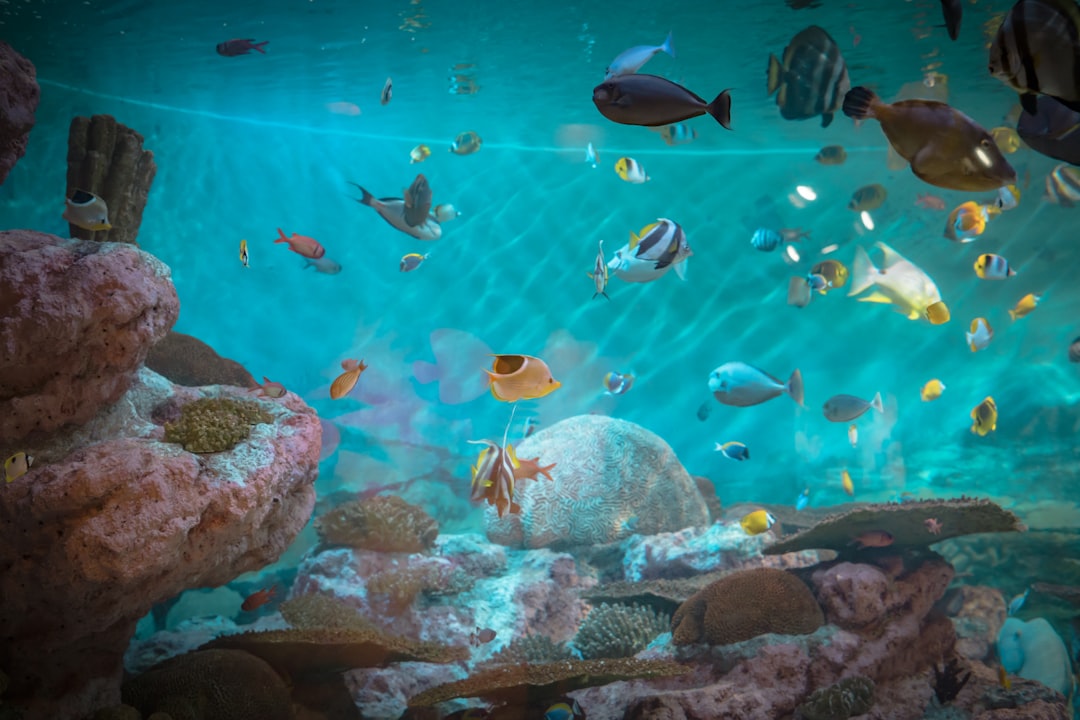
Fish cannot wag their tails or purr, so reading their wellbeing requires a different kind of observation. Knowing how to tell fish happy healthy signs saves you from reacting only when problems become emergencies — and it makes the hobby far more rewarding. This guide from Gensou Aquascaping Singapore, at 5 Everton Park with over 20 years in the trade, highlights ten reliable indicators that your aquarium inhabitants are thriving.
1. Strong, Consistent Appetite
Healthy fish eat eagerly. When you approach the tank, they should swim toward the surface or feeding area within seconds, anticipating food. A fish that ignores meals for more than a day — assuming it was previously eating well — is often the earliest warning of stress, illness or poor water quality. Bettas, tetras and corydoras each have different feeding styles, but enthusiasm at mealtime is universal.
2. Vivid, Stable Colouration
Colour is a direct window into a fish’s condition. Healthy neon tetras display an electric blue-red stripe, while a thriving betta shows deep, saturated hues across its body and fins. Fading, greying or dark stress bars indicate something is wrong — often elevated ammonia, aggression from tank mates or inadequate lighting cycles. In Singapore’s warm water, colour can also dull if temperature climbs above 30 °C for extended periods.
Some species change colour naturally with mood or time of day, so learn your particular fish’s baseline before panicking over temporary shifts.
3. Active, Purposeful Swimming
Happy fish move with purpose. Schooling species like harlequin rasboras swim in loose formation, exploring different levels of the tank. Bottom-dwellers like corydoras forage across the substrate in small groups. Frantic darting, constant glass-surfing or prolonged hiding often signal distress. A fish that hovers motionless in a corner (outside of normal resting periods) deserves investigation.
4. Smooth, Intact Fins
Fins should be spread, smooth-edged and free of white spots, ragged tears or reddish streaks. Clamped fins — held tight against the body — are one of the most common stress indicators across nearly all freshwater species. Fin rot, recognisable by receding or frayed edges, typically results from poor water quality or bacterial infection and needs prompt attention.
5. Clear Eyes and Clean Skin
Bright, clear eyes indicate good health. Cloudy eyes suggest bacterial infection or water quality issues. The body surface should be free of white patches, cotton-like growths, raised scales or visible parasites. Run a visual check during feeding — when fish are near the glass and well-lit — at least once daily. Catching problems early is the single most effective way to keep how to tell fish happy healthy signs positive.
6. Normal Breathing Rate
Gill movement should be steady and relaxed. Rapid or laboured breathing — especially gasping at the surface — suggests low dissolved oxygen, ammonia poisoning or gill parasites. In Singapore’s warm tanks, dissolved oxygen drops as temperature rises. Ensuring adequate surface agitation from your filter outlet helps maintain oxygen levels, particularly during the hotter months of April and May.
Labyrinth fish like bettas and gouramis take occasional surface breaths naturally, so distinguish between their normal behaviour and genuine distress.
7. Social Behaviour Matches the Species
Schooling fish should school. Solitary species like bettas patrol their territory calmly without constant aggression. Pair-bonding cichlids claim a cave or flat stone and defend it together. When social patterns break down — a tetra swimming alone, a pair splitting up, excessive chasing that draws blood — the environment likely needs adjusting. Overstocking, insufficient hiding spots or incompatible tank mates are the usual culprits.
8. Regular, Healthy Waste
Fish droppings are not the most glamorous indicator, but they matter. Normal waste is short, dark and sinks quickly. Stringy, white or translucent faeces suggest internal parasites or digestive issues. Constipation — common in bettas overfed on dry pellets — produces a visibly distended belly and no waste output for several days. A varied diet including frozen and live foods prevents most digestive complaints.
9. Curiosity and Exploration
Content fish explore. They investigate new hardscape, nibble at algae, interact with plants and respond to changes in the environment. A tank where every inhabitant hides behind the filter or crowds one corner lacks something — often territory divisions, adequate planting or compatible group sizes. Adding live plants, driftwood or stone arrangements gives fish zones to claim and explore, boosting visible activity. Check our live plants vs fake plants comparison for guidance on greenery choices.
10. Longevity Beyond Expectations
Perhaps the most telling sign of all: fish that live to or beyond their expected lifespan. Neon tetras lasting five-plus years, bettas reaching four, corydoras thriving past eight — these outcomes reflect consistently good water quality, diet and environment. At Gensou Aquascaping, we have seen client tanks where fish outlive textbook estimates by a year or more, all thanks to stable parameters and thoughtful husbandry.
Observing these ten signs regularly turns fishkeeping from guesswork into informed care. Your fish cannot tell you how they feel, but they show you constantly — all you need to do is look.
Related Reading