
Best Aquarium Background Films and Posters: Static Cling and Printed
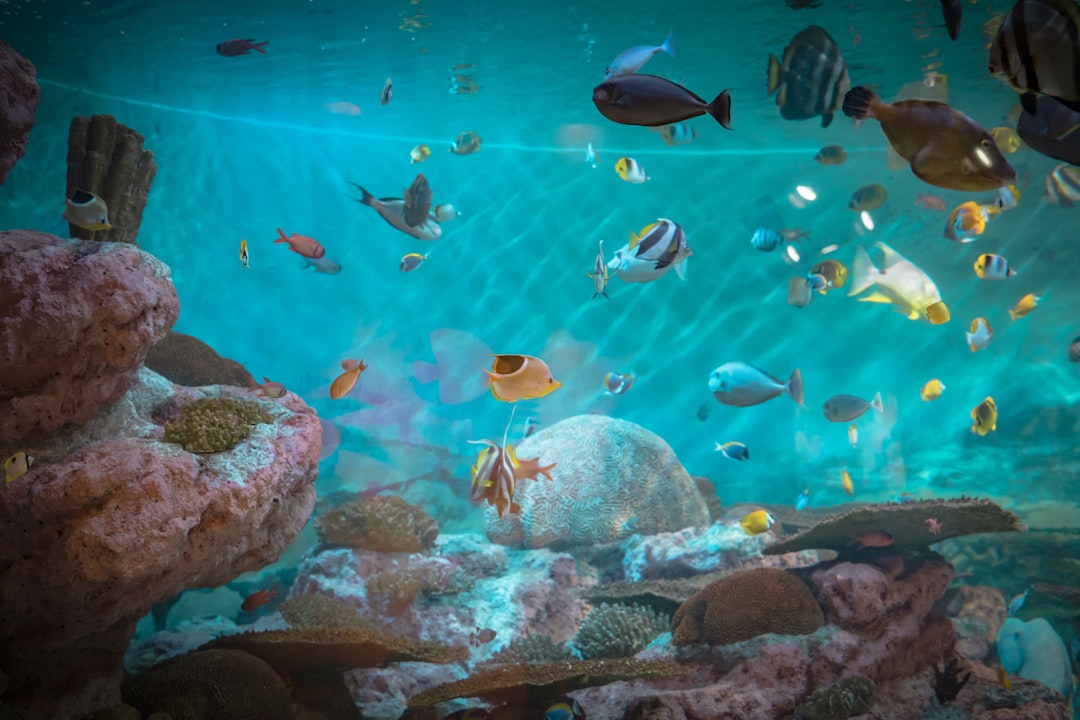
An exposed back panel of clear glass reveals cords, wall paint and the clutter behind your tank — a distraction that undermines even the most carefully designed aquascape. The best aquarium background film poster fixes this in minutes, adding depth, contrast and a polished finish to any setup. Gensou Aquascaping Singapore, at 5 Everton Park with over 20 years of experience, walks you through the options available locally and how to apply them cleanly.
Why a Background Matters
Backgrounds do more than hide wires. A dark backdrop makes fish colours pop — neon tetras glow brighter against black, and green plants appear more saturated against a deep blue. It also reduces reflections on the inside of the rear glass, which can stress territorial species like bettas and cichlids that mistake their reflection for a rival. From a design perspective, a background creates a visual boundary that gives the aquascape a sense of depth and enclosure.
Static Cling Film: The Most Popular Choice
Static cling backgrounds adhere to the outside of the glass using only static electricity — no adhesive, no residue and easy removal if you change your mind. They are sold in rolls or pre-cut sheets and cost $5–$15 for a 60 cm panel on Shopee or at Serangoon North Avenue 1 shops. Black and frosted white are the most common finishes, though blue and gradient options exist.
Application is straightforward: clean the outside glass thoroughly, mist it lightly with water (a few drops of dish soap help the film slide into position), lay the film flat against the glass and squeegee out air bubbles from centre to edges. The result is a smooth, uniform finish that looks built-in rather than stuck on.
Adhesive Vinyl Film
Self-adhesive vinyl offers a permanent, wrinkle-free finish that static cling sometimes struggles to match on large panels. High-quality vinyl — matte black is the aquascaping standard — lies flat without lifting at the edges, even in Singapore’s humidity. Expect to pay $8–$20 for a sheet sized to a 60–90 cm tank.
The downside: removal can leave adhesive residue that requires a solvent (isopropyl alcohol or Goo Gone) to clean. If you plan to reposition the background or switch between setups frequently, static cling is more practical. For a permanent display tank that will not change, adhesive vinyl provides a cleaner, more durable finish long-term.
Printed Poster Backgrounds
Poster backgrounds feature photographic or illustrated scenes — rock walls, planted forests, coral reefs, even plain colour gradients — printed on laminated paper or thin plastic. They tape or pin to the outside of the rear glass. Double-sided versions offer two designs on one sheet, giving you a choice between a dark and a light scene.
Quality varies widely. Cheap posters look pixelated up close, while premium laminated prints from brands like Juwel and Aqua One are sharp and fade-resistant. Prices range from $3 for a basic Shopee print to $20–$30 for a branded, UV-stable poster. For naturalistic aquascapes, a plain black or dark blue poster often outperforms a busy printed scene because it does not compete visually with the hardscape and plants inside the tank.
Painted Backgrounds: The DIY Option
Some aquascapers skip film entirely and paint the outside rear glass with acrylic or latex paint. Two coats of matte black acrylic produce an ultra-clean finish with zero bubbles or edges. The paint peels off later with a razor blade if you want to remove it. This approach costs under $5 in materials and delivers arguably the best visual result — no film edges, no air pockets, no reflection at all.
Use exterior-grade or multi-surface acrylic paint and apply with a foam roller for an even coat. Allow 24 hours to dry fully before filling the tank. Masking tape around the edges prevents paint from creeping onto the side panels.
Choosing the Right Colour
Black is the default for planted aquascapes and fish-focused community tanks — it maximises contrast and disappears visually, letting the aquascape speak for itself. White or frosted backgrounds suit minimalist iwagumi layouts and bright, modern interiors, creating an airy, gallery-like aesthetic. Blue works well for marine-themed freshwater setups or tanks with a blue-tinged LED, adding depth that mimics open water.
Avoid overly decorative backgrounds with printed castles, sunken ships or cartoon scenes — they date quickly and distract from the natural beauty of a well-designed tank. The best aquarium background film poster is the one that enhances your aquascape without drawing attention to itself.
Application Tips for a Bubble-Free Finish
Clean the glass with a glass cleaner or vinegar solution and dry it completely (for adhesive vinyl) or mist it lightly (for static cling). Work from one edge to the other, smoothing with a credit card or squeegee as you go. Small bubbles can be pricked with a pin and pressed flat. Large wrinkles mean pulling back and re-laying — patience here saves you from a permanently uneven result. Once applied, trim excess material with a sharp craft knife along the glass edge for a factory-finished look.
Related Reading
- Best Nano Aquariums Under 20 Litres: Rimless and All-in-One
- Best First Aquarium Kits in Singapore: Starter Sets Compared
- Low-Light No-CO2 Aquascape Guide: Easy Plants, Beautiful Tanks
- Aquascaping With Ohko Stone Only: Honeycomb Texture and Layout
- Live Plants vs Fake Plants in Aquariums: Pros, Cons and Verdict



