Aquascaping With Anubias and Java Fern Only: Low-Light Simplicity
Not every beautiful aquascape requires CO2 injection, high-intensity lighting, or a cabinet full of fertilisers. An aquascape anubias java fern only approach proves that two of the hobby’s hardiest plants can create layouts that rival far more complex setups. Gensou Aquascaping Singapore has designed dozens of these low-maintenance scapes for clients across the island, drawing on over 20 years of experience at 5 Everton Park.
Why These Two Plants Work So Well Together
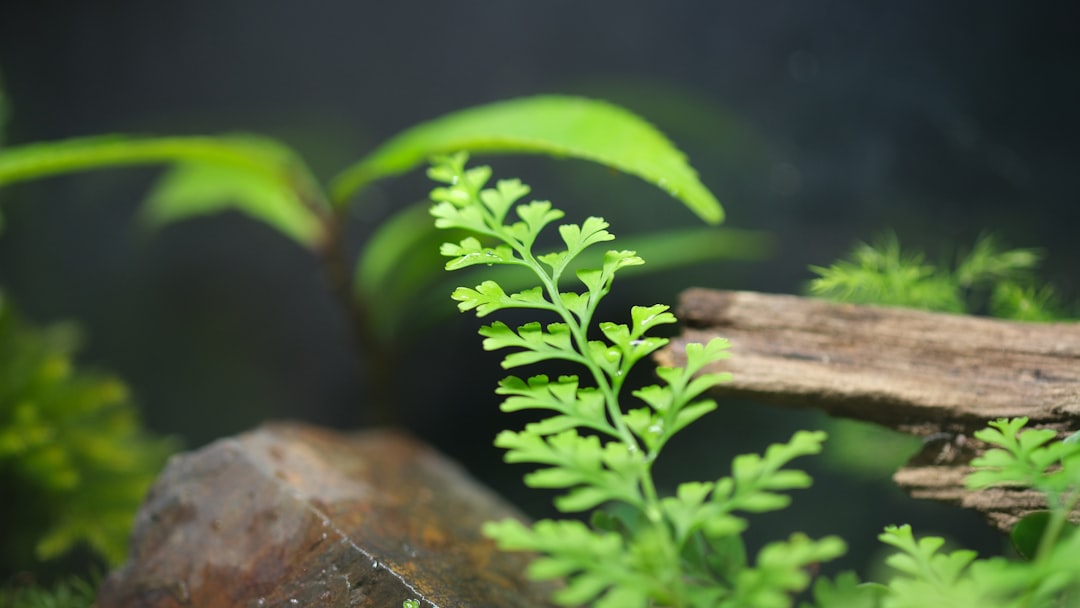
Anubias species grow slowly, stay compact, and produce thick, dark-green leaves that contrast beautifully with the lighter, more textured fronds of java fern (Microsorum pteropus). Both are epiphytes — they attach to hardscape rather than rooting in substrate — which means you can build an entire scape with nothing more than wood, stone, and superglue gel.
Neither plant demands strong light. In fact, too much light encourages algae growth on their slow-growing leaves. A modest LED running six to seven hours daily is all they need.
Choosing Varieties for Visual Interest
Anubias comes in a surprising range of sizes. A. barteri var. nana is the workhorse — compact rosettes of round, glossy leaves. A. nana petite is even smaller, perfect for detailing gaps in hardscape. A. coffeefolia adds texture with its deeply ridged, coffee-tinted foliage.
Java fern offers similar diversity. The standard variety produces broad, lance-shaped leaves up to 25 cm long. Microsorum pteropus ‘Windelov’ branches into delicate forked tips, while ‘Trident’ has narrow, finger-like fronds that sway gently in current. Mixing two or three varieties prevents monotony.
Hardscape as the Backbone
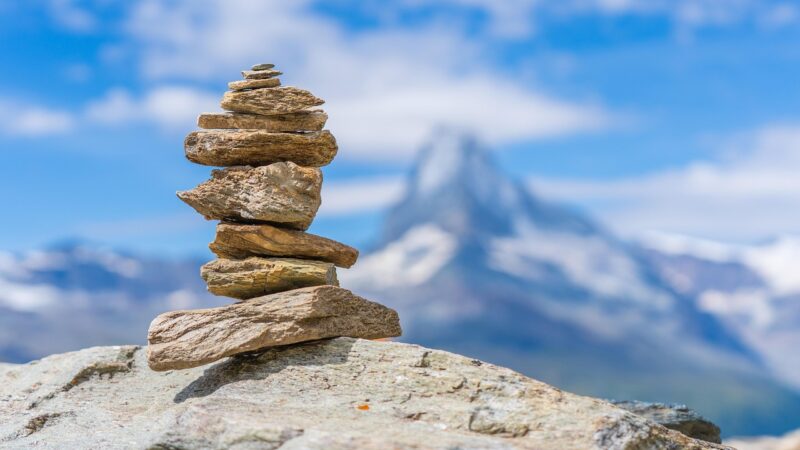
With only two plant species, your hardscape carries the layout. Driftwood — spider wood, manzanita, or Malaysian bog wood — provides organic curves and vertical reach. Stone adds mass and gravitas. Ohko stone pairs particularly well; its porous texture holds superglue and moss fragments, giving the impression of a well-aged riverbed.
Arrange hardscape first, spend time viewing it from the front, and adjust before attaching any plants. A strong hardscape skeleton makes plant placement almost intuitive.
Attaching Plants to Hardscape
Cyanoacrylate gel (superglue) is the fastest method. Apply a small bead to the rhizome, press firmly against wood or stone, and hold for ten seconds. The glue cures instantly on contact with water and is fish-safe once set. Alternatively, tie plants on with cotton thread — it dissolves over weeks as roots establish naturally.
Never bury the rhizome of Anubias or java fern in substrate. Covered rhizomes rot, killing the plant from the centre outward. If you want foreground coverage, wedge small Anubias nana petite between pebbles at the base of your hardscape.
Layout Ideas
A classic approach places a large piece of driftwood off-centre with java fern ‘Windelov’ cascading from the top and Anubias nana clustered along the lower branches. The negative space on the opposite side — left as bare sand or fine gravel — creates balance and draws the eye to the planted section.
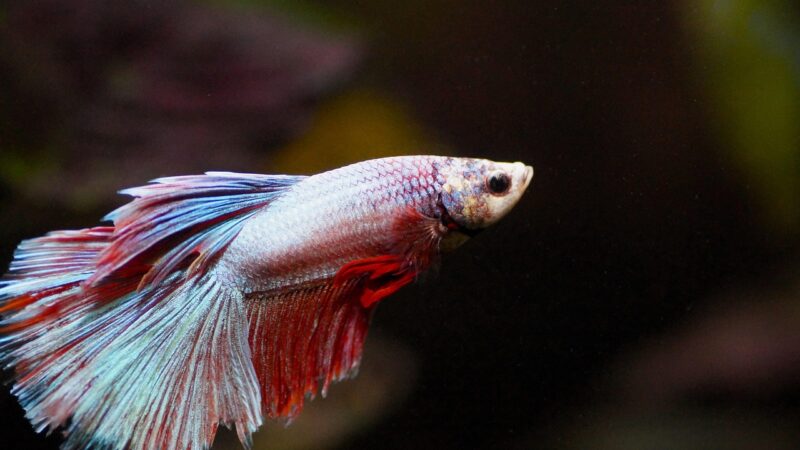
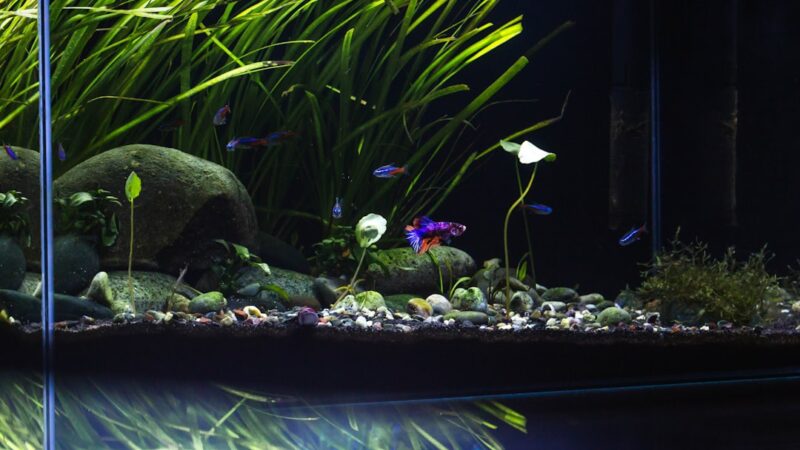
For a cave-style scape, stack rounded river stones with gaps between them. Tuck Anubias petite into crevices and let java fern emerge from behind the structure. Bettas, shrimp, and small catfish love exploring the resulting hideaways.
Lighting and Fertilisation
Low-output LEDs at 15–30 lumens per litre are ideal. Stronger lighting invites spot algae on Anubias leaves, a persistent nuisance because the leaves grow too slowly to outpace algae. If you notice green spots forming, reduce the photoperiod by an hour before reaching for algae treatments.
These plants are light feeders. A comprehensive liquid fertiliser dosed once a week at half the recommended rate is sufficient. No CO2 injection is required — both species evolved in shaded, low-carbon environments.
Maintenance and Long-Term Care
Trim brown or damaged leaves at the base of the petiole with sharp scissors. Java fern occasionally produces daughter plants on older leaves — detach and reattach these to expand your scape for free. Anubias rhizomes can be divided once the plant has eight or more leaves, creating new planting points.
Weekly 20–25 % water changes and a gentle wipe of the front glass are about all an anubias-and-java-fern tank demands. It is the closest the planted aquarium hobby comes to a set-and-forget system.
Who Is This Scape For?
Beginners who want a planted tank without the learning curve of CO2. Busy professionals who travel frequently. Anyone housing a betta, shrimp colony, or small catfish that benefits from shade and hiding spots. An aquascape with anubias and java fern only is proof that restraint and good hardscape selection can produce results as impressive as any high-tech setup. Gensou Aquascaping has installed these scapes in therapy offices, home studies, and coworking lobbies across Singapore.
Related Reading