
How to Aquascape a Planted 10-Gallon Betta Tank: Layout and Species
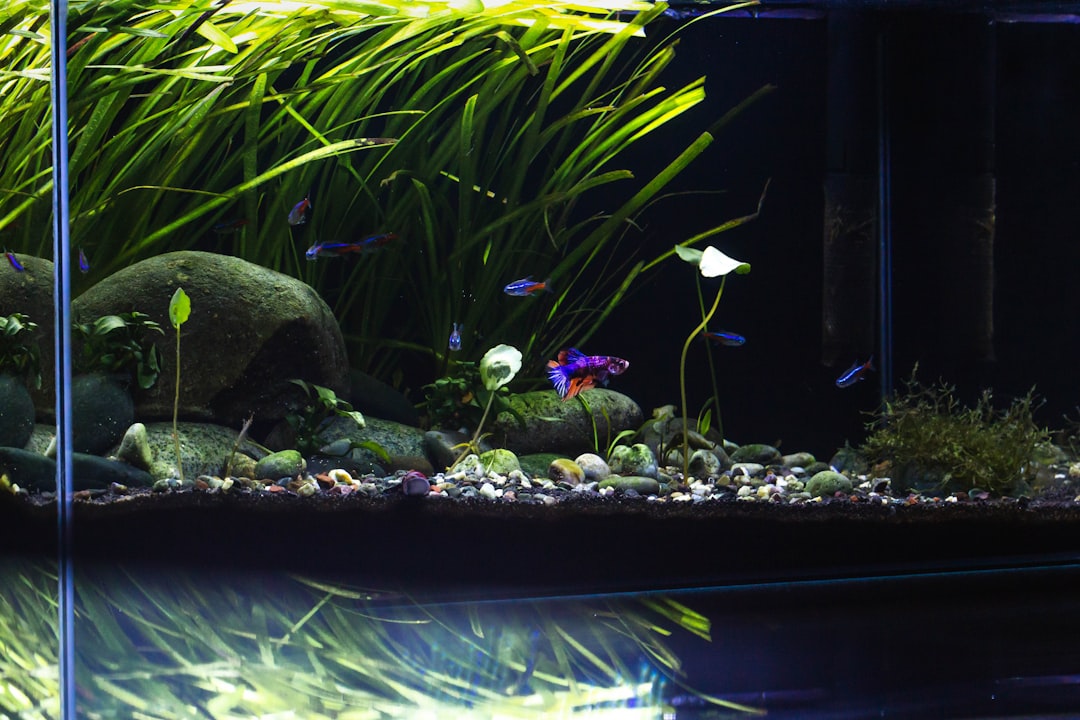
A planted 10-gallon tank (roughly 38 litres) is the ideal canvas for a betta — spacious enough for lush growth yet intimate enough to showcase a single stunning fish. Knowing how to aquascape a betta 10 gallon planted tank properly means designing around the betta’s needs: gentle flow, resting spots near the surface, and no sharp edges to snag delicate fins. This guide from Gensou Aquascaping Singapore at 5 Everton Park, informed by over 20 years of planted betta setups, walks you through layout, plant selection, and stocking.
Why 10 Gallons Is the Sweet Spot
While bettas survive in smaller volumes, a 10-gallon tank provides stable water parameters, room for a genuine aquascape, and enough territory to reduce stress. Temperature swings — a real concern in Singapore during cool monsoon nights — are less pronounced in 38 litres than in a 5-gallon nano. The larger footprint (roughly 50 x 25 cm) also gives you meaningful design flexibility with hardscape and planting zones.
Substrate and Hardscape
A nutrient-rich aqua soil like ADA Amazonia or Tropica Soil supports rooted plants without additional root tabs for the first several months. Cap with a thin layer of cosmetic sand along pathways for contrast if desired. Dark substrates make betta colours pop — a deep brown or black soil intensifies reds, blues, and coppers dramatically.
Smooth driftwood — spider wood or manzanita — creates natural arches and overhangs where bettas rest. Avoid rough dragon stone or jagged lava rock that can tear long-finned varieties like halfmoons and rosetails. If you prefer stone, opt for rounded river rocks or smooth seiryu stone with filed edges.
Layout: Keep It Open in the Centre
Bettas spend much of their time in the upper third of the tank, cruising between surface plants and resting on broad leaves. Design your hardscape to frame the sides and back, leaving an open swimming lane through the centre. A classic triangular composition — tall plants and wood on one side tapering to low growth on the other — works beautifully and is forgiving for beginners.
Position the filter outflow toward the back glass to dissipate current before it reaches the main swimming area. Bettas, especially long-finned types, struggle against strong flow. Aim for barely visible surface ripple.
Best Plants for a Betta Tank
Choose plants that provide cover without demanding high CO2 or intense light. Anubias barteri var. nana attaches to driftwood and offers broad leaves bettas love to rest on. Cryptocoryne wendtii fills the midground with flowing, ruffled foliage. Java fern (Microsorum pteropus) thrives attached to hardscape and tolerates low to moderate light effortlessly.
Floating plants like Salvinia minima or red root floaters dim the light naturally, reduce algae pressure, and give the betta a sense of overhead security. Just thin them regularly to avoid blocking all light from submerged plants below. A moderate LED light running 7 hours daily sustains this plant selection without CO2 injection.
Filtration and Flow
A small sponge filter powered by a gentle air pump is the safest choice — zero risk of fin damage and biological filtration that handles the low bioload of a single betta plus a few tank mates. If you prefer a canister or internal filter, baffle the outflow with a sponge cover or spray bar pointed at the glass. Flow rate should stay below 3–4 times the tank volume per hour.
In Singapore’s warm climate, a betta tank rarely needs a heater. Ambient room temperature of 26–30 °C sits comfortably within the betta’s preferred range. A thermometer strip on the glass lets you monitor without adding equipment.
Compatible Tank Mates
A 10-gallon planted betta tank has room for a small clean-up crew. Five to six Neocaridina shrimp (cherry shrimp) handle algae and detritus, though some bettas hunt them — dense planting provides escape cover. A group of three to four pygmy corydoras adds bottom-level activity without competing for territory. Avoid other anabantoids, fin-nippers like tiger barbs, and anything brightly coloured that might trigger aggression.
Maintenance and Long-Term Care
Weekly 20–25 % water changes keep nitrates low and the aquascape looking pristine. Trim stem plants before they shade lower growth, and remove dying leaves from Cryptocoryne during their initial melt phase — they recover within weeks. Dose a basic liquid fertiliser once a week to sustain plant health without encouraging algae.
A well-designed betta 10 gallon planted tank is one of the most rewarding small aquascapes you can build. The combination of a single charismatic fish, living plants, and natural hardscape creates a miniature ecosystem that looks stunning on a desk, shelf, or side table in any Singapore home.
Related Reading
- Nature Style Aquascape Step by Step: Amano-Inspired Simplicity
- Best Aquarium Lights for Plant Growth: PAR, Spectrum and Value
- Aquarium Carpet Plant Comparison: Which Ground Cover Suits You?
- How to Attach Plants to Driftwood and Rock: Glue, Thread and Mesh
- Pygmy Corydoras Care Guide: Tiny Catfish for Nano Tanks



