
How to Deal With a Power Outage: Keeping Your Aquarium Safe
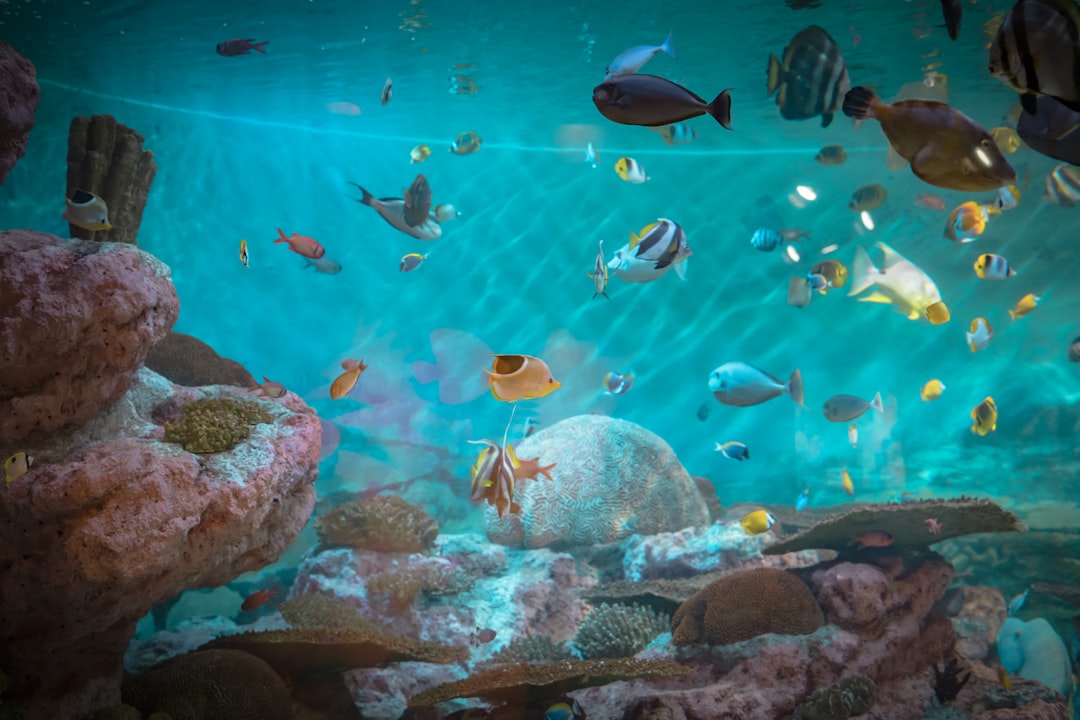
Singapore enjoys one of the most reliable power grids in the world, but outages still happen — scheduled maintenance, thunderstorm damage, or tripped circuit breakers can leave your aquarium without filtration, heating, and aeration for hours. This power outage aquarium emergency guide from Gensou Aquascaping Singapore, built on over 20 years of hands-on experience at 5 Everton Park, equips you with a clear action plan so your fish survive the blackout unscathed.
Why Power Outages Are Dangerous for Fish
Filtration is the first concern. Beneficial bacteria in your filter require oxygenated water flowing through the media constantly. Without power, water stagnates inside the canister or hang-on-back unit, and bacteria begin dying within two to four hours — releasing ammonia and hydrogen sulphide into the water when the filter restarts. Dissolved oxygen drops as surface agitation ceases, and in heavily stocked tanks, fish can start gasping within an hour.
Immediate Actions: The First 30 Minutes
Open the tank lid or remove the cover glass to maximise gas exchange at the water surface. If you own a battery-powered air pump — arguably the single most important emergency tool for any aquarist — set it running immediately. These pumps cost $10–$20 on Shopee and run on D-cell batteries for eight to twelve hours.
Manually agitate the surface every 15–20 minutes if you lack a battery pump. A clean cup used to scoop and pour water back into the tank from a height of 15–20 cm creates sufficient surface disruption to maintain oxygen levels.
Handling Your Filter
If the outage lasts beyond two hours, disconnect your canister filter and open it. Remove the media trays and place them in a bucket of tank water with a battery air stone running underneath. This keeps the bacteria alive and oxygenated until power returns. Simply restarting a canister that has been off for six or more hours without this step can pump toxic water directly into your tank.
Hang-on-back and sponge filters are less risky — their media is partially exposed to air, which slows bacterial die-off. Still, a quick rinse in tank water before restarting is prudent after any extended outage.
Temperature Management
In Singapore’s tropical climate, heat is more often the problem than cold. A tank running a chiller for sensitive species — axolotls, for instance — faces rising temperatures as soon as the chiller stops. Wrapping the tank in towels or newspaper slows heat gain slightly. Frozen water bottles floated in the tank lower temperature in an emergency, but use them sparingly — a drop of more than 2 °C per hour stresses fish severely.
For typical tropical species kept at 26–28 °C, a short outage poses minimal temperature risk. Singapore’s ambient temperatures rarely dip below 24 °C, so cold is almost never a concern locally.
Feeding During an Outage
Do not feed your fish during a power outage. Without active filtration, uneaten food and fish waste have no way of being processed, causing ammonia to spike rapidly. Healthy fish can comfortably go 48–72 hours without food. Resist the urge to feed — it creates far more harm than a short fast.
What to Do When Power Returns
Before restarting filters, test your water for ammonia and nitrite. If levels are elevated, perform a 30–50 % water change with dechloraminated water first. Then restart the filter — listen for unusual noise or air locks in canister models. Prime the canister if it has lost its siphon.
Monitor your fish closely for the next 24 hours. Stress from oxygen deprivation or ammonia exposure may not manifest as disease until a day or two later. Watch for clamped fins, lethargy, or white spot — early signs that secondary infections are taking hold.
Preparing for Future Outages
Invest in a battery-operated air pump and keep fresh batteries stored alongside it. An uninterruptible power supply (UPS) rated at 500 VA or above can run a small air pump and a low-wattage light for several hours — available from Challenger or Lazada for $60–$120. For high-value setups with arowanas or stingrays, a portable generator ($300–$800) provides true peace of mind.
At Gensou Aquascaping, we recommend every hobbyist assemble a simple emergency kit: battery air pump, spare batteries, a water conditioner, a liquid test kit, and a clean bucket. Stored under the tank cabinet, it takes up minimal space and can save lives when the lights go out unexpectedly.
Related Reading



